
Chemical peel treatments have become a popular choice for individuals seeking to rejuvenate their skin and improve its overall appearance. This cosmetic procedure involves the application of a chemical solution to the skin, which causes the outer layer to peel away, revealing newer, healthier skin underneath. As more people turn to these treatments for their skincare needs, it is essential to understand the different types of chemical peels, their benefits, and what to expect during and after the procedure.
Understanding Chemical Peels
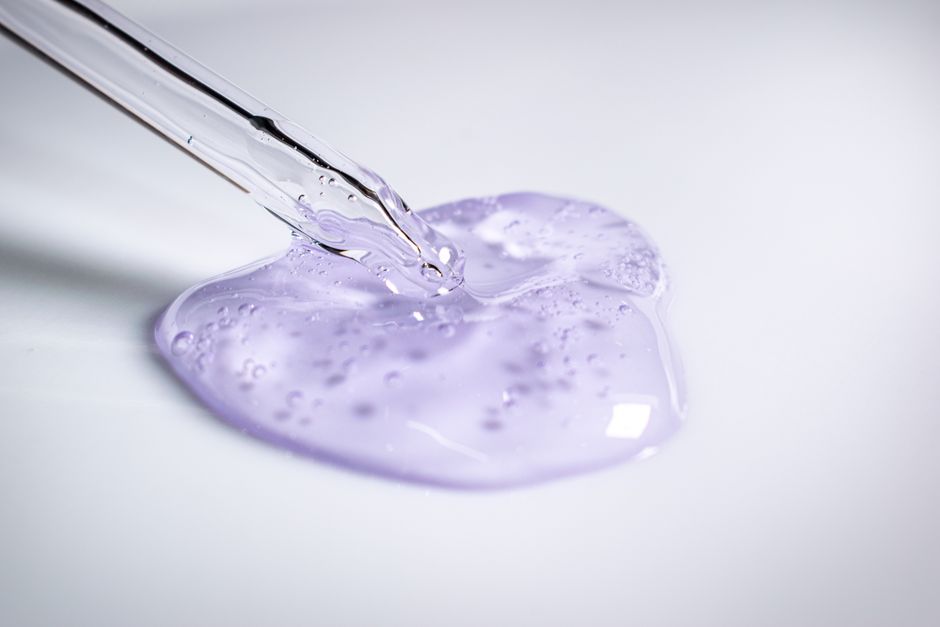
Chemical peels are categorized into three main types: superficial, medium, and deep peels. Superficial peels target the outermost layer of skin, making them suitable for treating minor skin issues such as dry skin and mild discoloration. Medium peels penetrate deeper, addressing more pronounced issues like fine lines and age spots, while deep peels reach the deeper layers of the skin, effectively treating severe sun damage and scars.
The primary ingredient in chemical peels is typically an acid, such as glycolic acid, trichloroacetic acid (TCA), or phenol. Each type of acid serves a different purpose and is chosen based on the individual’s skin type and the specific skin concerns being addressed. For instance, glycolic acid is often used for superficial peels due to its gentleness, while phenol is reserved for deep peels because of its intensity.
The Benefits of Chemical Peels
Chemical peels offer numerous benefits, making them a sought-after procedure in the field of dermatology and aesthetics. One of the most significant advantages is the improvement in skin texture and tone. By removing the damaged outer layers, chemical peels promote the growth of new, healthy skin cells, resulting in a smoother and more even complexion.
Additionally, chemical peels can help reduce the appearance of acne scars, fine lines, and wrinkles. Studies have shown that participants who underwent chemical peel treatments reported a noticeable reduction in these concerns, contributing to increased self-esteem and confidence. Furthermore, the treatment can enhance the effectiveness of skincare products, as the newly exposed skin can absorb active ingredients more efficiently.
What to Expect During the Treatment
Before undergoing a chemical peel, it is crucial to schedule a consultation with a qualified dermatologist or skincare professional. During this appointment, the practitioner will assess the individual’s skin type, discuss specific concerns, and recommend the most suitable type of chemical peel. It’s also important to disclose any medications or skincare products currently in use, as some may affect the treatment’s outcome.
The actual procedure typically lasts between 30 minutes to an hour, depending on the type of peel being performed. For instance, superficial peels may require less time, while deep peels might take longer due to their complexity. During the treatment, patients may experience a tingling or burning sensation, but this is usually brief.
Post-Treatment Care and Recovery
After a chemical peel, the skin may appear red and feel sensitive, similar to a sunburn. It is vital to follow the post-treatment care instructions provided by the dermatologist to ensure optimal healing. This may include avoiding sun exposure, using gentle cleansers, and applying soothing creams or ointments.
Recovery time varies based on the depth of the peel. Superficial peels typically require minimal downtime, with patients returning to their normal activities within a few days. In contrast, medium and deep peels may necessitate a longer recovery period, during which the skin will shed and heal. It’s essential to be patient and allow the skin to recover fully to achieve the best results.
Considerations and Risks
While chemical peels are generally safe when performed by a qualified professional, there are potential risks and side effects to consider. These can include redness, swelling, and peeling, which are usually temporary. However, in rare cases, more serious complications such as scarring or changes in skin pigmentation can occur.
To minimize risks, it is crucial to choose a licensed and experienced practitioner for the procedure. Additionally, individuals with certain skin conditions, such as eczema or psoriasis, should discuss these with their dermatologist to determine if chemical peels are appropriate for them.
Conclusion
Chemical peel treatments can be an effective solution for those looking to improve their skin’s appearance and address various skin concerns. By understanding the different types of peels, their benefits, and what to expect during and after treatment, individuals can make informed decisions about their skincare journey. As with any cosmetic procedure, it is essential to consult with a qualified professional to ensure safety and achieve the desired results. For more information on chemical peel treatment, consider reaching out to a trusted skincare provider today.