
The quest for flawless skin is an age-old pursuit that has led many to explore various treatments and remedies. Among these, chemical peel treatments have gained significant popularity due to their effectiveness in rejuvenating the skin. This article will delve into what chemical peels are, their benefits, the different types available, and what to expect during the treatment process.
What is a Chemical Peel?
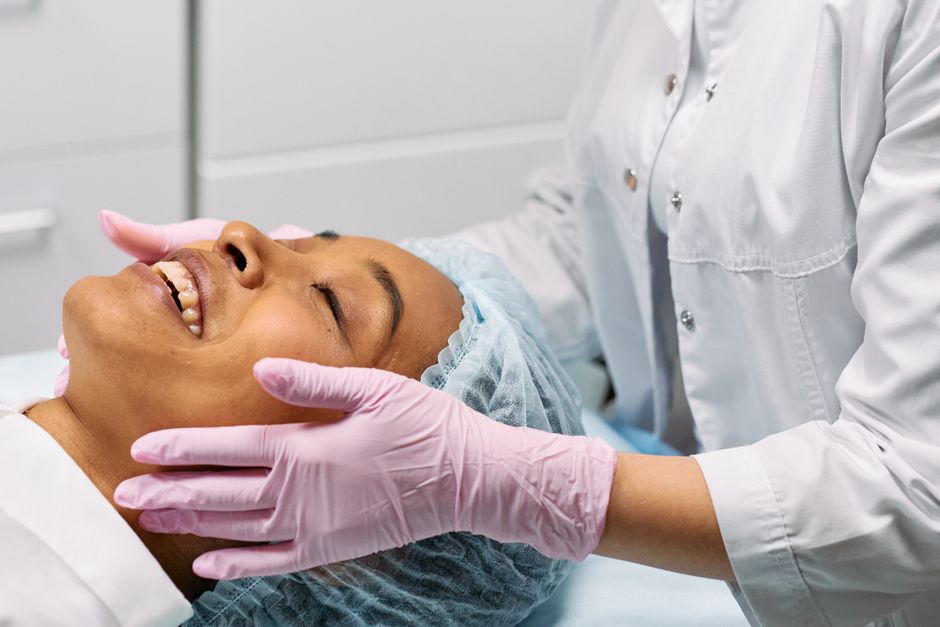
A chemical peel is a cosmetic treatment that involves applying a chemical solution to the skin, which causes the outer layer to exfoliate and eventually peel off. This process reveals a new layer of skin, which is typically smoother and less wrinkled. Chemical peels can be used on the face, neck, and hands, making them a versatile option for many individuals looking to enhance their skin’s appearance.
The solutions used in chemical peels can vary in strength and formulation, targeting different skin concerns. They may include alpha-hydroxy acids (AHAs), beta-hydroxy acids (BHAs), or trichloroacetic acid (TCA), among others. Each type serves a unique purpose, from reducing fine lines to improving skin texture and tone.
Benefits of Chemical Peels
Chemical peels offer several benefits that make them an attractive option for skin rejuvenation. One of the primary advantages is their ability to improve the appearance of sun-damaged skin. Regular exposure to UV rays can lead to dark spots and uneven skin tone, and a chemical peel can effectively address these issues.
Moreover, chemical peels can enhance skin texture by smoothing out rough patches and reducing the visibility of pores. For those struggling with acne or acne scars, chemical peels can help in clearing up breakouts and fading post-acne marks, promoting a clearer complexion.
Another significant benefit is the stimulation of collagen production. As the outer layer of skin is removed, the body responds by increasing collagen synthesis, which can lead to firmer, more youthful-looking skin over time. This is particularly beneficial for individuals concerned about aging.
Types of Chemical Peels
Chemical peels are generally classified into three categories: superficial, medium, and deep peels. Superficial peels, such as those using AHAs, are the mildest option and are ideal for first-time users or those looking to refresh their skin without significant downtime.
Medium peels, typically utilizing TCA, penetrate deeper into the skin and can treat more severe skin issues, including moderate wrinkles and uneven pigmentation. These peels may require a few days of recovery time, during which the skin may appear red and flaky.
Deep peels, on the other hand, are the most intensive and are usually performed under sedation. They target deeper layers of skin and can address significant skin damage and deep wrinkles. Recovery from a deep peel can take several weeks, making it essential for individuals to consider their schedules when opting for this treatment.
What to Expect During the Treatment
Before undergoing a chemical peel, it’s crucial to consult with a qualified dermatologist or skincare professional. They will assess your skin type, discuss your concerns, and recommend the appropriate type of peel for your needs. During the treatment, the selected chemical solution will be applied to the skin, which may cause a tingling or burning sensation.
Following the procedure, your skin will likely experience redness and sensitivity, similar to a mild sunburn. It’s essential to follow post-treatment care instructions, including the use of gentle skincare products and sunscreen, to protect the newly exposed skin.
Results from chemical peels can vary based on the type of peel performed and individual skin conditions. While some may notice immediate improvements, others may take time to see the full results as the skin heals and regenerates.
Conclusion
Chemical peel treatments offer a range of benefits for those looking to enhance their skin’s appearance and address specific concerns. From improving skin texture to reducing the signs of aging, these treatments are a valuable option in the realm of skincare. As with any cosmetic procedure, it is essential to approach chemical peels with careful consideration and professional guidance. For those interested in exploring this option further, consulting with a qualified professional can provide the necessary information to make informed decisions. To learn more about chemical peel treatment, visit reputable health resources, and take the first step towards achieving your skincare goals.