
In the ever-evolving landscape of agriculture, farmers face numerous uncertainties that can jeopardize their livelihood. Weather events, pest infestations, and fluctuating market prices are just a few challenges that can lead to significant losses. This is where crop insurance plays a crucial role. By providing a safety net for farmers, crop insurance not only protects their investments but also ensures food security for society at large.
The Fundamentals of Crop Insurance
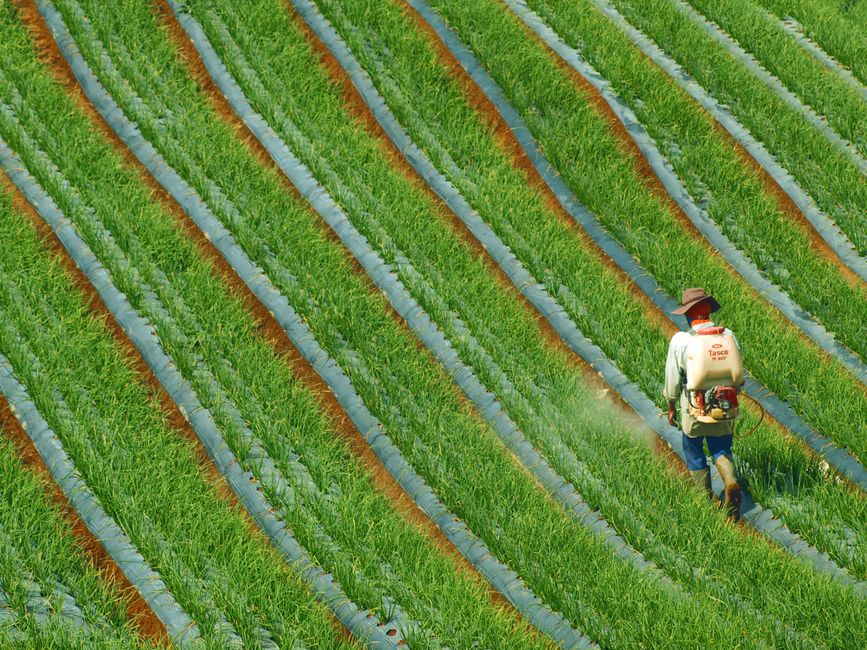
Crop insurance is a risk management tool that helps farmers safeguard their crops against losses due to various unforeseen events. There are two main types of crop insurance: Actual Production History (APH) policies and Revenue Protection (RP) policies. APH policies cover losses based on the farmer’s historical production records, while RP policies protect against losses in revenue caused by both low yields and price declines. Understanding these options is essential for farmers to choose the right coverage for their unique situations.
In many countries, crop insurance is subsidized by the government to encourage farmers to participate. This subsidy can significantly reduce the cost of premiums, making it more accessible for small and medium-sized farms. Furthermore, crop insurance can also promote sustainable farming practices, as insured farmers may be more willing to invest in innovative techniques that improve yields and reduce risks.
The Impact of Climate Change on Crop Insurance
As climate change intensifies, the unpredictability of weather patterns poses a greater threat to agriculture. Farmers are facing longer droughts, heavier rainfall, and more frequent storms, which can devastate crops. In response, the crop insurance industry is evolving to account for these increasing risks. Insurers are now utilizing advanced data analytics and satellite technology to better assess risk and offer tailored solutions to farmers.
For instance, satellite imagery can help in monitoring crop health and predicting potential losses before they occur. This proactive approach allows farmers to make informed decisions about their crops and take necessary actions to mitigate losses. Moreover, understanding the implications of climate change on farming practices and insurance policies can empower farmers to adapt and thrive in an uncertain future.
Case Studies: Successful Crop Insurance Implementation
Several countries have implemented successful crop insurance programs that serve as models for others. For example, India has developed the Pradhan Mantri Fasal Bima Yojana (PMFBY), a government-sponsored crop insurance scheme designed to help farmers manage risks. Since its launch, the program has provided coverage to millions of farmers, significantly reducing the economic impact of crop failures.
Similarly, in the United States, the Federal Crop Insurance program has provided a safety net for farmers since its inception in the 1930s. The program has evolved to include a variety of policies and options tailored to different crops and regions. Farmers who participate in this program report higher levels of financial stability and are more likely to invest in their operations.
Challenges in the Crop Insurance Sector
Despite its benefits, crop insurance faces several challenges. One significant issue is the underinsurance of crops. Many farmers either do not understand the importance of crop insurance or find the process too complicated. As a result, a large number of farmers remain uninsured, leaving them vulnerable to losses.
Additionally, the accuracy of risk assessment remains a challenge for insurers. Predicting the likelihood of natural disasters and their impact on crops is complex and requires advanced technology and data analysis. Insurers must continuously improve their methods to ensure that farmers receive fair coverage and premiums.
The Future of Crop Insurance
Looking ahead, the future of crop insurance seems promising. With the integration of technology and data analytics, insurers can provide more accurate assessments and tailored products for farmers. Furthermore, as awareness of climate change grows, the demand for robust crop insurance solutions will likely increase.
Farmers are encouraged to stay informed about their options and actively participate in crop insurance programs. By doing so, they can protect their investments, ensure their livelihoods, and contribute to a stable food supply. The role of crop insurance will continue to be paramount as agriculture faces the challenges of the 21st century.
In conclusion, crop insurance is not just a financial safety net; it is a critical tool for modern agriculture. By understanding its importance and staying informed about available options, farmers can better navigate the uncertainties of farming and secure their futures.
For more information on crop insurance, you can visit crop insurance resources that provide comprehensive insights into various policies and their benefits.