
The global energy landscape is undergoing a significant transformation, driven by the need for sustainable development and energy efficiency. One of the key components of this evolution is the energy storage system, which allows for the efficient management of energy supply and demand. As renewable energy sources such as solar and wind become increasingly prevalent, the role of energy storage systems has never been more crucial. In this article, we will explore the various types of energy storage systems, their benefits, and their impact on the future of energy.
Understanding Energy Storage Systems
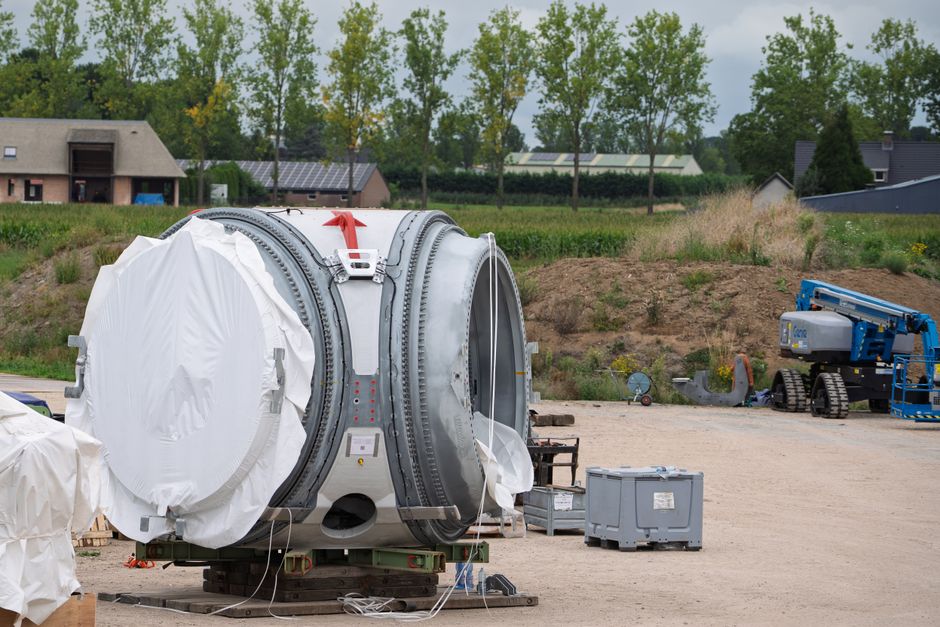
Energy storage systems are technologies that store energy for later use. They can be classified into various categories based on their storage medium and technology. The most common types include batteries, pumped hydroelectric storage, flywheels, and thermal storage. Each type has its own advantages and applications, catering to different needs within the energy sector.
Batteries are perhaps the most well-known form of energy storage, especially with the rise of electric vehicles and grid storage solutions. Lithium-ion batteries, in particular, have gained popularity due to their high energy density and decreasing costs. According to a report by BloombergNEF, the cost of lithium-ion batteries has dropped by 89% since 2010, making them a viable option for both consumer and industrial applications.
Pumped hydroelectric storage (PHS) is another traditional method of energy storage that utilizes gravity. Water is pumped to a higher elevation during periods of low demand and released to generate electricity during peak demand. This method accounts for over 90% of the world’s large-scale energy storage capacity, highlighting its effectiveness. However, PHS requires specific geographical conditions, limiting its applicability in certain regions.
The Advantages of Energy Storage Systems
Energy storage systems offer several advantages that contribute to a more resilient and efficient energy infrastructure. One of the primary benefits is the ability to balance supply and demand. By storing excess energy generated during off-peak hours, these systems can release energy during peak demand times, stabilizing the grid and preventing outages.
Moreover, energy storage systems enhance the integration of renewable energy sources into the grid. As the share of renewables increases, so does the volatility of energy supply. Energy storage systems can mitigate this volatility by providing a buffer, ensuring a steady and reliable energy supply. For instance, a solar power plant combined with a battery storage system can continue to supply electricity even after sunset, maximizing the utilization of renewable resources.
Additionally, energy storage systems can provide ancillary services to the grid, such as frequency regulation and voltage support. These services are essential for maintaining grid stability and reliability, particularly as more variable renewable energy sources are added to the mix.
Challenges and Considerations
Despite their numerous benefits, energy storage systems face several challenges. One of the most significant hurdles is the initial cost of installation. While prices have decreased significantly, the upfront investment can still be substantial, especially for large-scale projects. Policymakers and stakeholders must work together to create incentives and subsidies to encourage the adoption of these technologies.
Another challenge is the environmental impact of certain energy storage technologies. For example, lithium-ion batteries require the mining of metals such as cobalt and lithium, which can have adverse environmental effects. As a result, the industry is exploring alternatives, such as sodium-ion batteries and flow batteries, which may offer more sustainable solutions.
Finally, there is a need for improved recycling and end-of-life management for energy storage systems. As the market for batteries continues to grow, so does the need for effective recycling processes to minimize waste and recover valuable materials.
Case Studies and Innovations
Several innovative projects around the world are showcasing the potential of energy storage systems. For example, Tesla’s Gigafactory in Nevada is a prime example of how large-scale battery production can contribute to energy storage deployment. The factory produces lithium-ion batteries at a scale that aims to reduce costs and increase availability for electric vehicles and grid applications.
In addition, the Hornsdale Power Reserve in Australia, equipped with Tesla’s Powerpack batteries, has demonstrated the effectiveness of energy storage in stabilizing the grid. Following its installation, the facility has successfully reduced energy prices and provided backup power during peak demand periods.
Moreover, advancements in flow battery technology are gaining traction, with companies like Vanadium Resources making strides in developing sustainable and long-lasting energy storage solutions. Flow batteries offer the advantage of scalability and can provide energy for extended periods, making them suitable for large-scale applications.
The Future of Energy Storage Systems
The future of energy storage systems looks promising as technological advancements continue to emerge. With ongoing research and development, we can expect to see improvements in efficiency, cost-effectiveness, and environmental sustainability. As more countries transition to renewable energy sources, the demand for reliable energy storage solutions will only increase.
Furthermore, the integration of artificial intelligence and smart technology into energy storage systems can optimize performance and enhance grid management. By utilizing data analytics and machine learning, these systems can predict energy demand patterns and adjust storage and discharge accordingly.
Ultimately, the continued evolution of energy storage systems will play a vital role in shaping a sustainable energy future. By enabling the efficient use of renewable resources and ensuring grid stability, these technologies will be instrumental in achieving global energy goals.
In conclusion, as society moves towards a more sustainable and resilient energy future, the importance of energy storage systems cannot be overstated. They are not only crucial for balancing energy supply and demand but also for integrating renewable energy sources into our grids. With ongoing innovations and investments, the potential of energy storage systems to revolutionize the energy landscape is immense. For further information on the various types of energy storage solutions available today, you can explore this energy storage system.