
In the ever-evolving world of agriculture, ensuring the viability of crop production is more critical than ever. Farmers face numerous risks, including unpredictable weather patterns, pests, and diseases, which can severely impact their yields and financial stability. Crop insurance has emerged as a vital tool for farmers, providing them with a safety net against these uncertainties. This article delves into the intricacies of crop insurance, its importance, types, and how it can safeguard farmers’ livelihoods.
The Importance of Crop Insurance
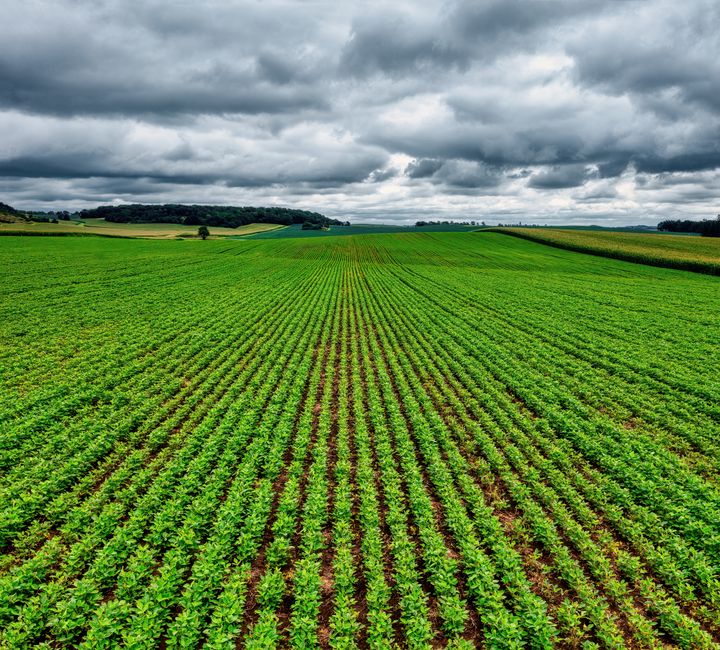
Crop insurance plays a pivotal role in modern agriculture. It not only protects farmers from financial loss but also helps stabilize the agricultural economy. According to the Risk Management Agency (RMA), crop insurance has become essential for over 80% of U.S. farmers. By mitigating risks, it encourages farmers to invest in their operations, adopt innovative farming techniques, and ultimately contribute to food security.
Moreover, crop insurance benefits not just farmers but also consumers. By ensuring that farmers can recover from losses, it helps maintain a steady supply of food products, stabilizing prices in the market. This interconnectedness highlights the significance of crop insurance in the broader economic context.
Types of Crop Insurance
There are primarily two types of crop insurance: Actual Production History (APH) insurance and Revenue Protection (RP) insurance. APH insurance provides coverage based on the historical yield of a particular crop, allowing farmers to receive compensation if their current yield falls below a specified level. On the other hand, RP insurance protects against both yield losses and declines in commodity prices, making it a more comprehensive option for farmers.
Additionally, there are other specialized insurance products such as Yield Protection (YP) and Whole-Farm Revenue Protection (WFRP). YP insurance safeguards against yield loss due to natural disasters, while WFRP offers coverage for all crops on a farm, providing a safety net for diversified operations. Each type serves different needs, and understanding these distinctions is crucial for farmers when selecting the right insurance.
Factors to Consider When Choosing Crop Insurance
When selecting crop insurance, farmers must consider several factors. First, they should evaluate their specific risks, including climate conditions, crop types, and market trends. Understanding these variables helps in choosing the most suitable insurance plan.
Another important factor is the cost. Premium rates can vary significantly depending on the type of coverage chosen, so farmers need to analyze their budgets and potential risks to strike a balance between affordability and adequate protection. Additionally, it is wise to consult with insurance agents who specialize in agricultural policies to gain insights into the best options available.
How to File a Claim
Filing a claim for crop insurance can be a daunting task, but understanding the process simplifies it. In case of a loss, the first step is to notify the insurance provider. Farmers must document the extent of the damage, which may include photographs, yield records, and other relevant information.
Afterward, an adjuster will be assigned to assess the damages and determine the compensation amount. It is crucial for farmers to maintain accurate records throughout the growing season to support their claims effectively. Timely communication and thorough documentation can significantly streamline the claims process.
Future of Crop Insurance
The future of crop insurance is poised for growth, particularly with the increasing challenges posed by climate change. As weather patterns become more erratic, the demand for comprehensive crop insurance is expected to rise. Innovations in technology, such as satellite imagery and data analytics, are also transforming the way insurance is managed and assessed.
Moreover, policymakers are recognizing the importance of robust crop insurance programs as a means to promote agricultural resilience. Future initiatives may focus on expanding coverage options, improving accessibility for small-scale farmers, and enhancing education around risk management practices.
Conclusion
In conclusion, crop insurance is an indispensable tool for farmers, providing financial protection against unforeseen risks. By understanding the various types of coverage available, the factors influencing their choices, and the claims process, farmers can make informed decisions that safeguard their livelihoods. As agriculture continues to face new challenges, the role of crop insurance will undoubtedly remain crucial in ensuring a stable and secure food supply for all.
For more detailed information on crop insurance, visit crop insurance.