
As climate change continues to affect agricultural productivity and market volatility poses significant financial risks, crop insurance has become an essential tool for farmers. This financial safety net not only protects against loss from natural disasters but also stabilizes farm income. In this article, we will explore the various aspects of crop insurance, including its types, benefits, and the importance of understanding policy options.
What is Crop Insurance?
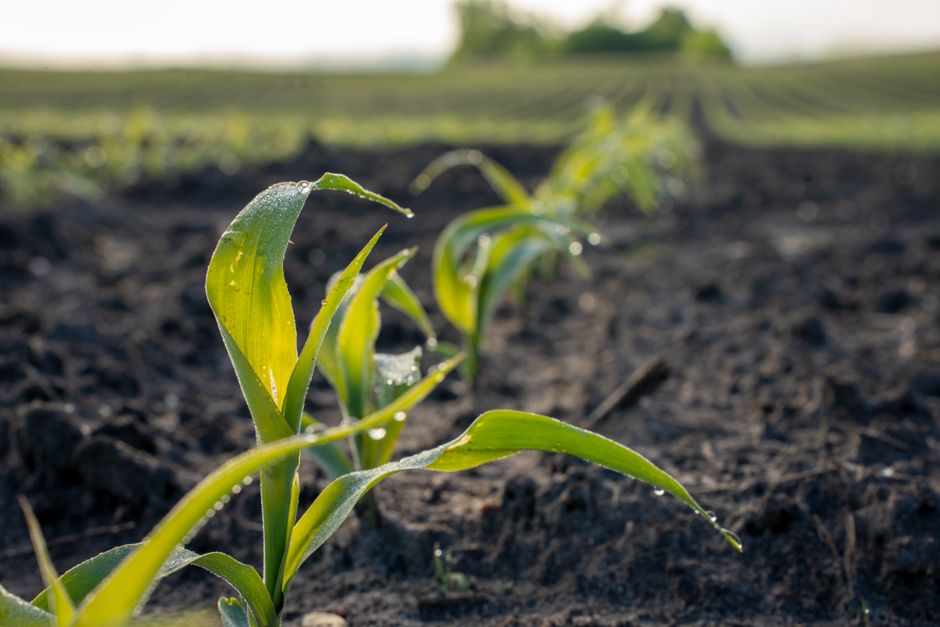
Crop insurance is a risk management tool designed to protect farmers against the loss of their crops due to unforeseen events such as drought, floods, or pest infestations. It provides a safety net, ensuring that farmers can recover a portion of their investment even when faced with adverse conditions. The two main categories of crop insurance are revenue insurance and yield insurance. Revenue insurance covers potential loss of income due to reduced yield or price declines, while yield insurance compensates farmers for a decrease in crop production.
Farmers can choose from various insurance plans based on their specific needs, making it crucial to understand the terms and conditions of each policy. For instance, some may prefer a plan that covers only specific crops, while others may look for broader coverage that includes multiple crops and types of risks.
The Importance of Crop Insurance
In the face of climate unpredictability, crop insurance plays a pivotal role in ensuring food security and economic stability. According to the U.S. Department of Agriculture (USDA), farmers who have crop insurance are more likely to invest in their farms and adopt innovative practices, knowing they have a safety net. This investment leads to increased productivity and efficiency, which ultimately benefits the entire agricultural sector.
Moreover, crop insurance helps to stabilize rural economies. When farmers can recover from losses, they are less likely to default on loans or reduce their spending in the local economy. This stability is vital for maintaining jobs and supporting local businesses.
Types of Crop Insurance Policies
Farmers can select from several types of crop insurance policies tailored to their unique requirements. The most common forms include:
- Actual Production History (APH) Insurance: This policy is based on the farmer’s historical yield data, providing coverage based on past production levels.
- Revenue Protection (RP): This plan protects farmers against loss of revenue due to low yields or declining market prices.
- Yield Protection (YP): This type focuses solely on protecting the yield, compensating for reduced production.
Each policy has its pros and cons, and farmers should carefully assess which plan aligns with their risk tolerance and financial goals. Understanding the nuances of these policies can empower farmers to make informed decisions that safeguard their livelihoods.
How to Choose the Right Crop Insurance
Choosing the right crop insurance involves several steps. First, farmers should conduct a thorough analysis of their risk exposure. This includes evaluating climatic conditions, market trends, and their specific crop types. Once they have a clear understanding of the risks, they can explore the different insurance options available.
It’s advisable for farmers to consult with insurance agents who specialize in agricultural policies. These professionals can provide valuable insights into the best coverage options and help navigate the complex terms and conditions that often come with insurance contracts. Additionally, farmers should stay updated on government programs that may subsidize insurance premiums, making coverage more affordable.
Conclusion
In conclusion, crop insurance is an indispensable tool for modern farmers, offering protection against uncertainties in the agricultural sector. By understanding the various types of policies, recognizing the importance of insurance in stabilizing rural economies, and effectively choosing the right coverage, farmers can secure their financial future. As the agricultural landscape continues to evolve, staying informed about crop insurance will be crucial in making strategic decisions that support sustainable farming practices. For more detailed information on crop insurance options, consider visiting resources like crop insurance.