
The advent of LED (Light Emitting Diode) technology has revolutionized the way we illuminate our spaces. From commercial buildings to residential homes, LEDs have become synonymous with energy efficiency and sustainability. This article delves into the journey of LED technology, its applications, and the benefits it brings to modern society.
The History of LEDs
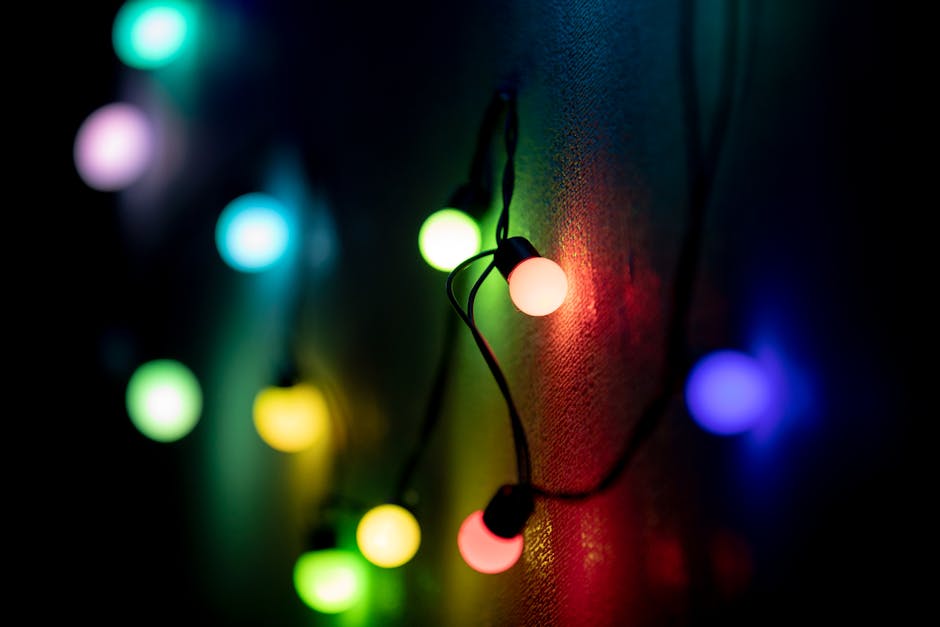
LEDs have a fascinating history that dates back to the early 20th century. The first visible LED was developed in 1962 by Nick Holonyak Jr., and it emitted red light. However, it wasn’t until the 1990s that the technology advanced significantly with the introduction of blue and white LEDs, paving the way for a wide range of applications.
In 2000, the Nobel Prize in Physics was awarded to Shuji Nakamura, Isamu Akasaki, and Hiroshi Amano for their contributions to the development of blue LEDs. This breakthrough allowed for the production of bright white light by combining red, green, and blue LEDs, which is now commonly used in various lighting applications.
Applications of LED Technology
LED technology is versatile and has found applications in numerous fields. In the commercial sector, LEDs are used for signage, display screens, and architectural lighting. For instance, stadiums and concert halls utilize LED technology for dynamic lighting displays that enhance audience experiences.
In residential settings, LEDs have become the preferred choice for home lighting due to their long lifespan and energy efficiency. According to the U.S. Department of Energy, LEDs use at least 75% less energy and last 25 times longer than incandescent lighting.
Furthermore, the automotive industry has embraced LED technology for headlights, taillights, and interior lighting. The advantages include improved visibility and reduced power consumption, which is crucial for electric vehicles.
The Environmental Impact of LEDs
One of the most significant benefits of LED technology is its positive impact on the environment. Traditional lighting solutions, such as incandescent and fluorescent bulbs, contain hazardous materials and produce a considerable amount of waste. In contrast, LEDs are free from toxic materials and are 100% recyclable.
Moreover, the energy savings from using LEDs translate into reduced greenhouse gas emissions. A report by the International Energy Agency predicts that by 2030, the widespread adoption of LED lighting could help avoid 1,400 million metric tons of CO2 emissions.
Future Trends in LED Technology
As technology continues to evolve, so does LED innovation. One of the most exciting developments is the integration of smart technology with LEDs. Smart LED bulbs can now be controlled remotely via smartphones, allowing users to adjust brightness, color, and even set schedules for their lighting.
Another promising trend is the use of LEDs in horticulture. Grow lights equipped with LEDs are being used in indoor farming, providing plants with the specific light spectrum they need for optimal growth. This method not only conserves energy but also increases crop yields.
Additionally, the introduction of flexible and organic LEDs (OLEDs) is set to revolutionize the industry even further. These materials offer new possibilities for creating lightweight, bendable lighting solutions that can be integrated into various surfaces.
Conclusion
LED technology has come a long way since its inception, transforming the landscape of lighting and energy consumption. With its numerous benefits, from energy efficiency to environmental sustainability, LEDs are set to dominate the market for years to come. As we continue to innovate and integrate smart technologies, the future of lighting looks brighter than ever. For those looking to enhance their spaces, exploring options such as benzi LED RGB can provide exciting new possibilities for both aesthetics and functionality.