
The wristwatch has transcended its primary function of telling time to become a symbol of elegance, sophistication, and even status. In today’s fast-paced world, where smartphones tend to dominate our lives, wristwatches continue to hold a significant place in fashion and personal expression. This article delves into the various aspects of wristwatches, exploring their history, types, craftsmanship, and the cultural significance they embody.
The Historical Evolution of Wristwatches
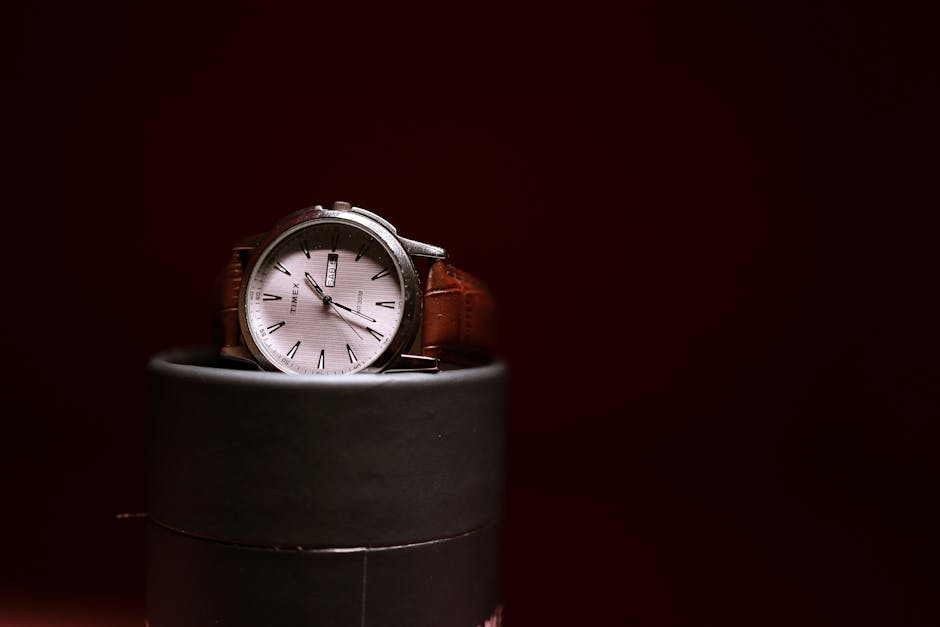
The journey of the wristwatch began in the 16th century, with the first portable timepieces being crafted as pocket watches. These intricate devices were a luxury for the elite and showcased remarkable artistry. It was not until the late 19th century that wristwatches gained popularity, particularly during World War I when soldiers found them more practical than pocket watches.
As the 20th century progressed, wristwatches evolved in design and functionality. The introduction of quartz movements in the 1970s revolutionized the industry, leading to a surge in affordable and accurate timepieces. This era marked the beginning of a new chapter, where wristwatches became accessible to the masses, changing the perception of what a watch could be.
Today, the historical significance of wristwatches is celebrated through various brands that pay homage to traditional craftsmanship while integrating modern technology. For instance, luxury brands often produce limited edition models that reflect their heritage, making them collectibles for enthusiasts.
Types of Wristwatches: A Diverse Spectrum
The wristwatch market is vast, encompassing a variety of types to suit different preferences and lifestyles. From analog to digital, each type brings unique features and appeals to distinct audiences. Analog watches, known for their classic appeal, often feature intricate mechanical movements and sophisticated designs.
On the other hand, digital watches have gained immense popularity due to their functionality. Models equipped with smart technology not only tell time but also offer fitness tracking, notifications, and GPS capabilities. Brands like Apple and Garmin have capitalized on this trend, merging technology with style.
Moreover, luxury watches stand out for their superior craftsmanship and exclusivity. Brands such as Rolex and Patek Philippe are synonymous with prestige and are often seen as investment pieces. Collectors seek these watches not only for their beauty but also for their potential to appreciate in value over time.
The Art of Craftsmanship in Watchmaking
Wristwatch craftsmanship is a meticulous art that combines traditional techniques with modern innovation. Renowned watchmakers often spend years honing their skills, mastering the intricate details involved in creating a timepiece. Each component, from the movement to the casing, requires precision and expertise.
Luxury brands emphasize the importance of craftsmanship through the use of high-quality materials. For instance, stainless steel, gold, and ceramics are common in watchmaking, ensuring durability while enhancing aesthetics. Additionally, some brands incorporate gemstones and unique finishes, elevating their watches to works of art.
Furthermore, the rise of independent watchmakers has revitalized interest in artisanal craftsmanship. These creators often focus on limited production runs, allowing for greater attention to detail and unique designs. Enthusiasts appreciate these timepieces for their exclusivity and the story behind each creation.
The Cultural Significance of Wristwatches
Wristwatches have transcended their functional role to become cultural symbols that reflect personal style and values. In many cultures, gifting a watch signifies a meaningful gesture, often representing milestones such as graduations, anniversaries, or promotions. This tradition highlights the emotional connection people have with watches.
Moreover, celebrities and influencers have played a significant role in shaping watch trends. When a notable figure is seen wearing a specific brand or model, it often leads to increased demand and popularity. Social media platforms have amplified this effect, allowing enthusiasts to showcase their collections and share their passion with a global audience.
In recent years, sustainability has emerged as an important factor in the watch industry. Many brands are now focusing on eco-friendly materials and ethical production processes. Consumers are increasingly aware of their purchasing decisions, seeking brands that align with their values.
Conclusion: The Enduring Allure of Wristwatches
The wristwatch continues to captivate individuals across generations, standing as a testament to artistry, innovation, and personal expression. Whether one opts for a classic mechanical watch or a modern smart device, the significance of wearing a wristwatch remains profound. As the industry evolves, it is essential to appreciate the craftsmanship and cultural heritage that each timepiece embodies. In a world dominated by technology, wristwatches maintain their charm, reminding us of the time-honored traditions that still hold value today. For those seeking unique designs, exploring options like clone watches can be an exciting venture into the world of horology.