
Bedbugs are small, nocturnal insects that can cause significant distress to homeowners and renters alike. These pests are notorious for their ability to hide in various places, making them difficult to detect and eliminate. As awareness of bedbug infestations rises, understanding effective bedbug extermination methods becomes crucial for maintaining a comfortable living environment. In this article, we will explore the biology of bedbugs, signs of an infestation, and effective methods for extermination.
Understanding Bedbugs: Biology and Behavior
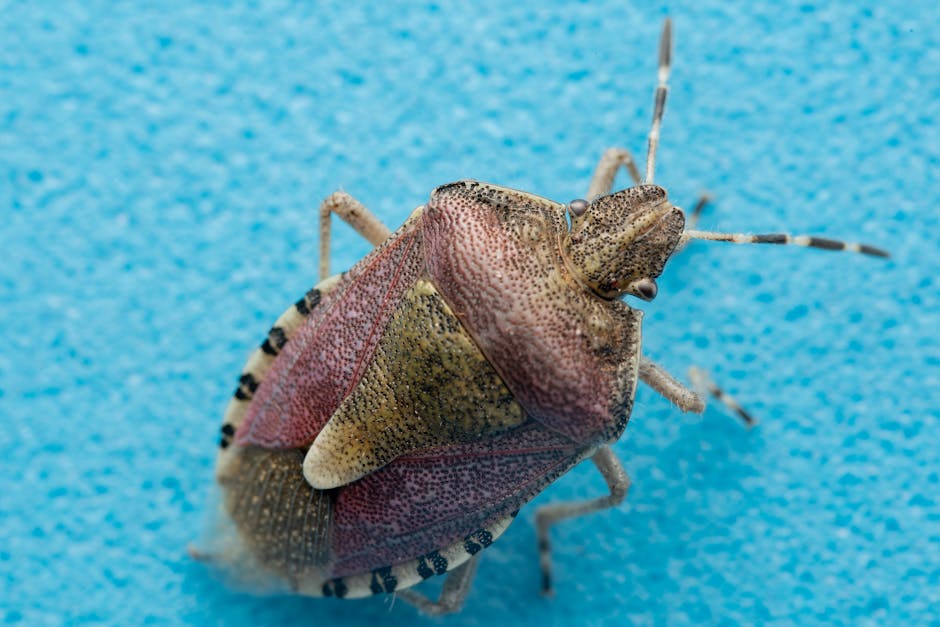
Bedbugs, scientifically known as Cimex lectularius, are small, oval-shaped insects that feed on the blood of humans and other warm-blooded animals. Adult bedbugs are typically around 5-7 mm long and can be brown or reddish in color. They are known for their ability to reproduce rapidly; a single female can lay hundreds of eggs in her lifetime. This fast reproduction rate contributes to the difficulty of controlling an infestation.
Bedbugs are primarily nocturnal, which means they are most active at night when they come out to feed. They tend to hide in cracks and crevices during the day, making them challenging to spot. Common hiding places include mattress seams, bed frames, baseboards, and even electrical outlets. Understanding their behavior is crucial for effective extermination.
Identifying a Bedbug Infestation
Detecting a bedbug infestation early is key to successful extermination. The first signs often include small, reddish-brown stains on bedding or mattresses, which are the result of crushed bedbugs. Additionally, you may notice tiny white eggs or shed skins in areas where bedbugs are hiding.
Another common indicator is waking up with unexplained bites on your skin, often in clusters or lines. If you suspect a bedbug infestation, it is important to conduct a thorough inspection of your living space, focusing on areas where bedbugs are likely to hide.
Methods for Bedbug Extermination
Once an infestation is confirmed, it is crucial to take immediate action. There are several methods available for bedbug extermination, ranging from DIY solutions to professional treatments.
One effective DIY method is the use of high heat. Bedbugs cannot survive temperatures above 120°F (49°C). Washing infested bedding and clothing in hot water and then drying them on high heat can help eliminate these pests. Additionally, using a steam cleaner on mattresses and furniture can also be effective.
For those looking for a more comprehensive solution, enlisting the help of a professional pest control service is often the most effective route. Professionals have access to specialized treatments and techniques that can ensure a thorough extermination. Many pest control companies offer bed bug treatment options that can be tailored to the specific needs of your situation.
Preventing Future Infestations
Preventing future bedbug infestations is just as important as exterminating current ones. Regularly inspecting your home, especially after travel, can help catch infestations early. Additionally, using protective mattress encasements can prevent bedbugs from taking up residence in your bedding.
Maintaining cleanliness in your living space is also crucial. Vacuuming regularly and decluttering can reduce hiding spots for bedbugs. If you live in an apartment building, communicating with your neighbors about pest control can aid in preventing the spread of bedbugs.
Conclusion
Bedbug extermination requires prompt action and a multifaceted approach. By understanding the biology and behavior of bedbugs, identifying signs of infestation, and implementing effective extermination methods, you can protect your home from these unwanted pests. Remember, prevention is key, so stay vigilant and proactive in your efforts to keep your living space bedbug-free.