
In the competitive world of dining, a restaurant’s interior design plays a crucial role in attracting and retaining customers. A well-thought-out interior can enhance the dining experience, making it memorable and enjoyable. This article explores the essential elements of restaurant interior design, offering practical advice and insights for restaurateurs looking to elevate their establishments.
Understanding the Importance of Interior Design
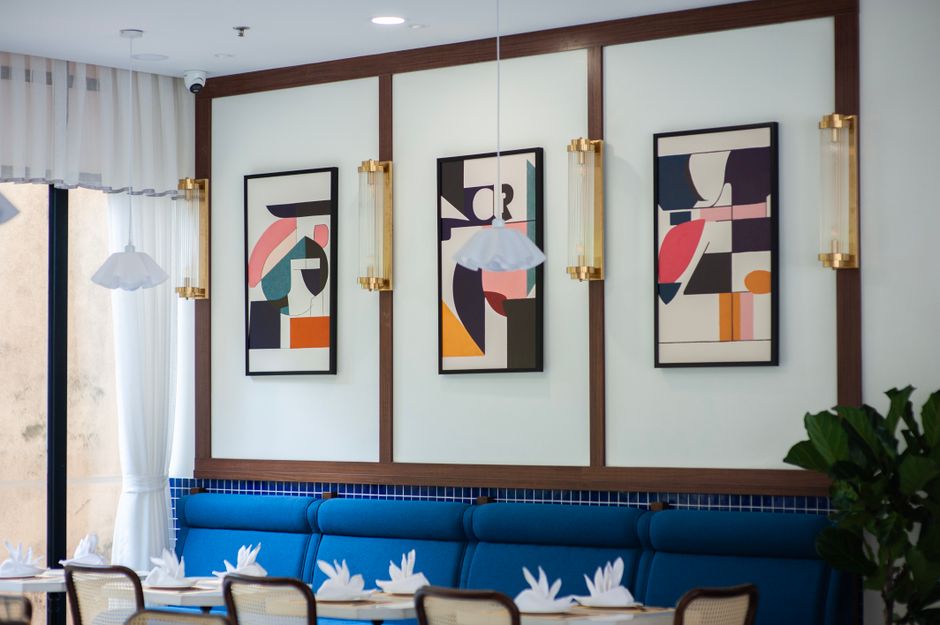
Interior design is not merely about aesthetics; it significantly influences the overall atmosphere and functionality of a restaurant. Consumers today are more discerning than ever, often seeking not just a meal but an experience. According to a study by the National Restaurant Association, over 60% of diners choose a restaurant based on its atmosphere. This statistic underscores the importance of creating a space that resonates with the target audience.
The right interior design can also enhance operational efficiency. For instance, a well-planned layout can streamline the flow of both customers and staff, reducing wait times and improving service efficiency. Therefore, investing in thoughtful restaurant interior design is not just a matter of style but also a strategic business decision.
Key Elements of Restaurant Interior Design
When it comes to designing a restaurant, several key elements must be considered:
Color Scheme: Colors evoke emotions and set the tone for the dining experience. Warm colors like reds and yellows can stimulate appetite, while cool colors like blues and greens can create a calming environment. Choosing a color scheme that aligns with the restaurant’s theme and target demographic is vital.
Furniture and Layout: The choice of furniture impacts comfort and functionality. Tables and chairs should not only match the aesthetic but also provide comfort for diners. Additionally, the layout should facilitate smooth movement throughout the space, ensuring that customers and staff can navigate easily.
Lighting: Lighting is a crucial aspect of interior design that can dramatically alter the atmosphere. Soft, warm lighting can create an intimate setting, while brighter lighting may be more suitable for casual dining. A mix of ambient, task, and accent lighting can enhance the overall experience.
Incorporating Theme and Branding
A successful restaurant interior design should reflect the brand’s identity and theme. Whether it’s a rustic farmhouse style or a sleek modern look, the design should tell a story that resonates with customers. For instance, a Mediterranean restaurant might incorporate elements like terracotta tiles and vibrant mosaics, while a contemporary eatery could feature minimalist decor and open spaces.
Branding can also be subtly integrated through decor elements, such as artwork, signage, and even the choice of materials. Consistency in branding helps to create a cohesive experience, making it easier for customers to connect with the restaurant on a personal level.
Trends in Restaurant Interior Design
The restaurant interior design landscape is continuously evolving, influenced by changing consumer preferences and societal trends. One prominent trend is sustainability. Many restaurants are now incorporating eco-friendly materials and practices into their designs. Using reclaimed wood, energy-efficient lighting, and sustainable furniture not only appeals to environmentally conscious consumers but also enhances the restaurant’s appeal.
Another trend gaining traction is the use of technology in design. From interactive menus to digital art displays, technology can enrich the dining experience. Restaurants are increasingly using tech to create immersive environments that engage customers and enhance their visit.
Conclusion: Making a Lasting Impression
In conclusion, the importance of effective restaurant interior design cannot be overstated. It is a multifaceted approach that encompasses aesthetics, functionality, and branding. By understanding the key elements of design and staying attuned to current trends, restaurateurs can create spaces that not only attract customers but also foster loyalty. For those looking to delve deeper into the world of restaurant interior design, exploring innovative ideas and designs can lead to the creation of a truly memorable dining experience.