
In the competitive world of the restaurant industry, the interior design of a restaurant plays a pivotal role in attracting and retaining customers. A well-thought-out design can create an inviting atmosphere, enhance the dining experience, and ultimately drive sales. This article explores the key elements of restaurant interior design, trends, and practical tips for creating a memorable dining space.
Understanding the Importance of Interior Design
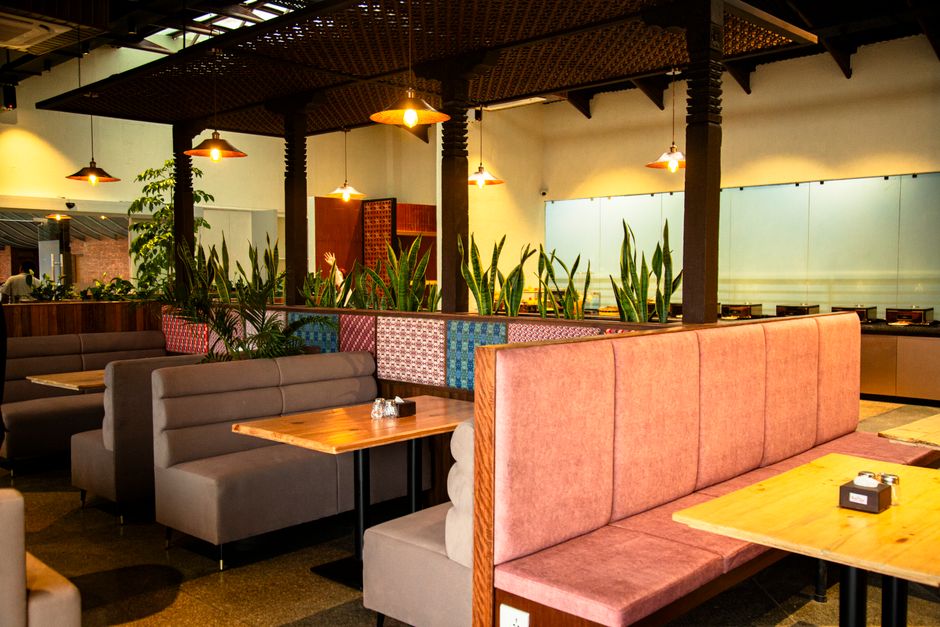
The interior design of a restaurant goes beyond mere aesthetics. It encompasses the arrangement of space, color schemes, lighting, and furniture selection, all of which contribute to the overall ambiance. Studies have shown that a well-designed restaurant can increase customer satisfaction and loyalty. For instance, a survey conducted by the National Restaurant Association found that 70% of diners consider the ambiance of a restaurant as an essential factor in their dining experience.
Moreover, the right design can also enhance operational efficiency. For example, an open kitchen layout can create a sense of transparency and engagement with customers, while also allowing for better workflow for the staff. This integration of function and form is crucial for both customer satisfaction and employee productivity.
Current Trends in Restaurant Interior Design
As with any design field, trends in restaurant interior design are constantly evolving. One notable trend is the use of sustainable materials and practices. Many restaurants are now opting for reclaimed wood, recycled metals, and eco-friendly furnishings to create a modern yet environmentally conscious space. This not only appeals to eco-minded consumers but also sets a restaurant apart in a crowded market.
Another trend is the incorporation of technology into the dining experience. Restaurants are increasingly using digital menus, interactive tables, and augmented reality to enhance customer engagement. These innovations can create a unique dining experience that captures the attention of tech-savvy patrons.
Additionally, biophilic design, which connects interior spaces with nature, is gaining popularity. Restaurants are incorporating plants, natural light, and natural textures to create a calming environment that enhances the dining experience. This trend not only beautifies the space but also promotes well-being among diners.
Key Elements of Effective Restaurant Interior Design
When designing a restaurant, several key elements must be considered. Firstly, the layout of the space is critical. A well-thought-out floor plan that includes designated areas for dining, waiting, and service can significantly enhance the flow of operations. For example, ensuring that the kitchen is easily accessible from the dining area can streamline service and improve efficiency.
Secondly, color schemes play a vital role in creating the desired mood. Warm colors like reds and oranges can stimulate appetite, while cooler tones like blues can create a more relaxing atmosphere. Choosing the right color palette can influence not only the aesthetics but also the emotional response of diners.
Lastly, lighting is an essential aspect of interior design that can drastically alter the ambiance. Soft, dim lighting can create an intimate setting, while bright lighting may be more appropriate for a casual dining experience. The right lighting can enhance the overall dining experience and encourage longer stays, ultimately leading to higher sales.
Practical Tips for Designing a Restaurant
For those embarking on a restaurant design project, there are several practical tips to keep in mind. Firstly, it’s essential to define the restaurant’s concept and target audience clearly. This foundational step will guide all design decisions, from furniture choices to color schemes.
Secondly, consider hiring a professional designer who specializes in restaurant interior design. Professionals bring valuable insights and experience that can save time and money in the long run. They can help create a cohesive design that aligns with the restaurant’s brand identity.
Finally, do not underestimate the importance of customer feedback. Engaging with diners and collecting their opinions on the space can provide invaluable insights that help refine the design. Regularly updating the interior based on customer preferences can keep the restaurant fresh and appealing.
Conclusion
In conclusion, the interior design of a restaurant is a fundamental aspect that can significantly impact its success. By understanding the importance of design, staying updated with trends, and implementing key design elements, restaurant owners can create inviting and functional spaces that attract and retain customers. For more insights on restaurant interior design, consider exploring various resources and professional services that can help bring your vision to life.