
The interior design of a restaurant plays a crucial role in shaping the overall dining experience. From the moment guests step through the door, they are greeted not just by the aroma of food, but by a carefully curated atmosphere that reflects the restaurant’s brand and vision. In this article, we will explore the essential elements of restaurant interior design, the trends shaping the industry, and how to create a space that not only attracts customers but also enhances their dining experience.
Understanding the Importance of Interior Design
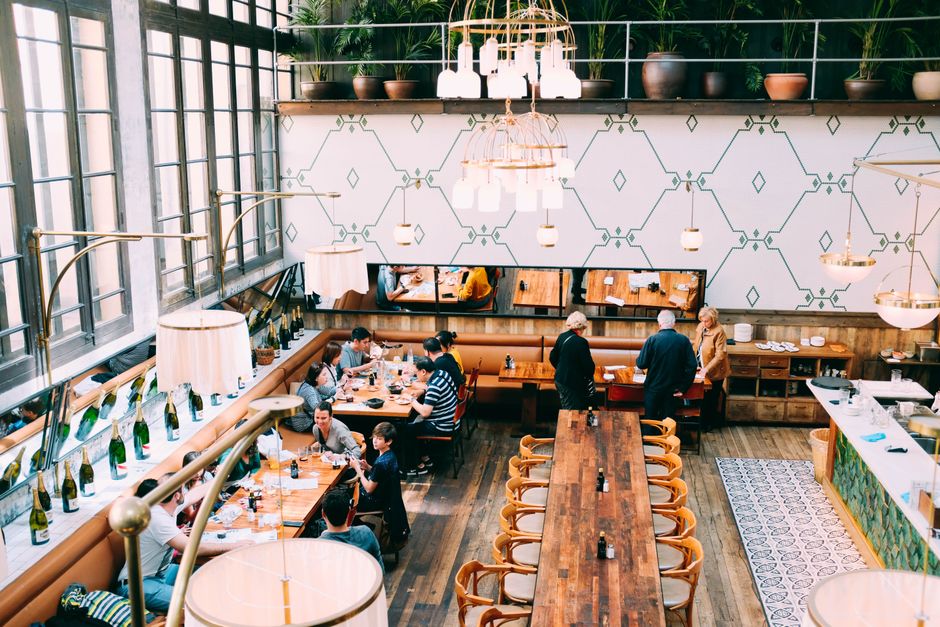
Interior design is not merely about aesthetics; it has a significant impact on customer behavior. Research indicates that a well-designed restaurant can increase patronage by up to 20%. This statistic underscores the necessity for restaurateurs to invest in a thoughtful design that aligns with their target demographic. A welcoming environment encourages guests to linger longer, leading to increased sales and customer satisfaction.
The relationship between interior design and customer comfort cannot be overstated. Elements such as lighting, seating arrangements, and color schemes can influence how guests feel in a space. For instance, warm lighting and comfortable seating can create an intimate atmosphere, perfect for fine dining, while vibrant colors and open layouts might be more suitable for casual eateries.
Key Elements of Restaurant Interior Design
When considering restaurant interior design, several fundamental elements should be taken into account. These include layout, materials, color schemes, and furnishings.
1. **Layout**: The flow of a restaurant is essential. A well-planned layout facilitates smooth movement for staff and customers, ensuring that service is efficient. It is important to consider the placement of tables, the bar, and the kitchen to optimize service.
2. **Materials**: The choice of materials can greatly affect the ambiance of a restaurant. Natural materials like wood and stone can add warmth and texture, while metal and glass can create a modern aesthetic. Additionally, materials should be durable and easy to maintain, especially in high-traffic areas.
3. **Color Schemes**: Color psychology plays a vital role in design. Warm colors like reds and yellows can stimulate appetite, while cooler tones like blues and greens promote relaxation. It’s crucial to choose a color palette that resonates with the restaurant’s theme and target market.
4. **Furnishings**: The choice of furniture is not only about style but also about comfort. Tables and chairs should be selected to ensure that customers feel comfortable for extended periods. Additionally, furniture should reflect the overall theme of the restaurant.
Current Trends in Restaurant Interior Design
The restaurant industry is constantly evolving, and with it, the trends in interior design. One notable trend is the emphasis on sustainability. Many restaurants are now opting for eco-friendly materials and designs that minimize their environmental impact.
Another trend is the incorporation of technology into the dining experience. Interactive menus, digital payments, and even augmented reality experiences are becoming commonplace in modern restaurants. These technological advancements can be seamlessly integrated into the design to enhance customer engagement.
Furthermore, the rise of outdoor dining has prompted many restaurants to rethink their space. Utilizing patios and rooftops not only increases seating capacity but also creates a unique dining experience that attracts customers looking for a casual atmosphere.
Creating a Unique Atmosphere
To stand out in a competitive market, it’s essential to create a unique atmosphere that reflects the restaurant’s identity. This can be achieved through thematic design elements, artwork, and branding.
For instance, a restaurant specializing in Italian cuisine might incorporate rustic Italian decor, such as vintage wine barrels, authentic artwork, and traditional furnishings. This thematic approach not only enhances the visual appeal but also immerses customers in the dining experience.
Moreover, incorporating local elements can add a sense of community and authenticity. Using local artists for wall art or sourcing furniture from local craftsmen can create a connection with the surrounding area, making the restaurant a part of the local culture.
Conclusion
In conclusion, restaurant interior design is a multifaceted discipline that requires careful consideration of various elements. From layout and materials to current trends and creating a unique atmosphere, every aspect plays a critical role in shaping the dining experience. By prioritizing thoughtful design, restaurant owners can not only attract more customers but also foster loyalty and positive reviews. For those looking to delve deeper into the world of restaurant interior design, consulting with professionals can provide invaluable insights and guidance.