
In recent years, the advancement of artificial intelligence (AI) has revolutionized various industries, and image detection is no exception. AI image detectors are powerful tools that offer capabilities ranging from object recognition to facial detection. As we delve deeper into this technology, it becomes crucial to understand its workings, applications, and implications in our daily lives.
Understanding AI Image Detection Technology
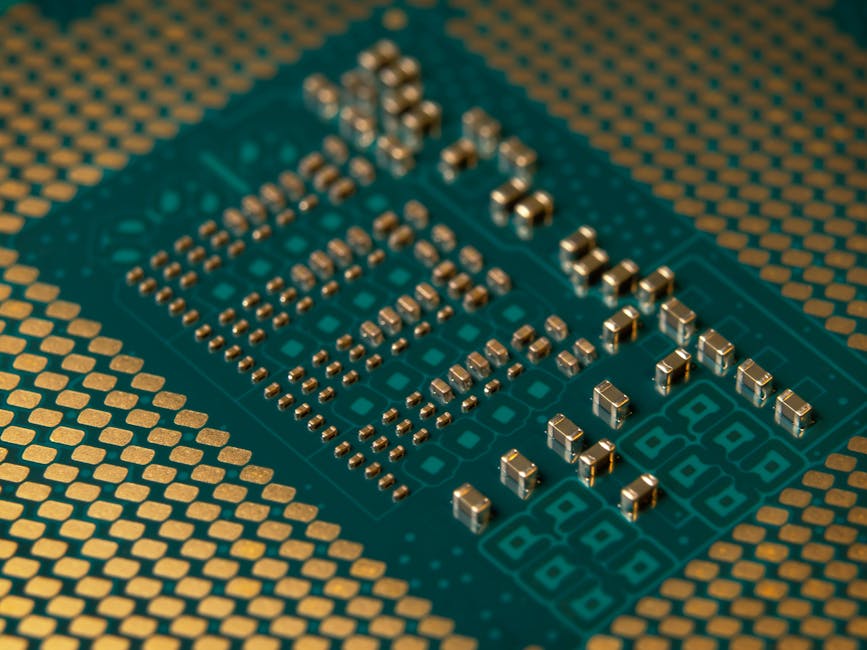
AI image detection technology primarily relies on machine learning algorithms, especially deep learning techniques. These algorithms enable the system to learn from vast datasets, identifying patterns and features that are characteristic of particular objects. For instance, a neural network can be trained using thousands of images of cats and dogs, allowing it to distinguish between the two with remarkable accuracy.
One key component of image detection is convolutional neural networks (CNNs), which are particularly effective in processing visual data. CNNs work by passing images through multiple layers, each designed to extract specific features, such as edges, textures, and shapes. The final layer typically produces a classification output, indicating what the image contains.
The effectiveness of AI image detectors can be quantified through metrics such as accuracy, precision, and recall. For example, in a study conducted by Stanford University, researchers found that an AI model could classify images with an accuracy of over 90%, showcasing the technology’s potential.
Applications of AI Image Detectors
AI image detectors have found applications across various fields, significantly enhancing operational efficiency. In healthcare, for example, these detectors are utilized in radiology to analyze medical images for signs of diseases such as cancer or pneumonia. A study by Mount Sinai Hospital revealed that AI systems could detect lung cancer in CT scans with a sensitivity of 94%, outperforming human radiologists in certain cases.
In the retail sector, AI image detection is employed for inventory management and customer behavior analysis. By using cameras and AI algorithms, retailers can monitor stock levels in real-time and analyze customer interactions with products. This data can inform staffing decisions and marketing strategies, ultimately increasing sales.
Moreover, the security industry has greatly benefited from AI image detection technology. Surveillance systems equipped with AI can identify suspicious activities or recognize faces in a crowd, enhancing safety measures in public spaces. A report from the International Association of Chiefs of Police noted that the use of AI in surveillance has led to a 30% reduction in crime rates in certain urban areas.
Ethical Considerations in AI Image Detection
Despite the numerous benefits, the deployment of AI image detectors raises ethical concerns that warrant attention. Issues related to privacy, surveillance, and bias are at the forefront of discussions about this technology. For instance, the use of facial recognition systems has sparked debates over individual privacy rights, particularly when such systems are used without consent.
Bias in AI algorithms is another critical concern. If the training data used to develop these systems is not diverse, the AI may produce skewed results. For example, a facial recognition system trained predominantly on images of light-skinned individuals may perform poorly when analyzing images of people with darker skin tones, leading to discriminatory outcomes. Addressing these biases requires careful consideration in the design and training phases of AI models.
As AI image detectors become increasingly prevalent, it is essential for policymakers and technology developers to establish regulations that protect individuals’ rights while promoting innovation. This includes transparent practices in data collection and usage, as well as accountability measures for AI systems.
The Future of AI Image Detection
The future of AI image detection is promising, with ongoing research aimed at improving accuracy and expanding applications. Innovations in algorithms and hardware are expected to enhance the capabilities of image detectors, making them more accessible and efficient. For instance, advancements in edge computing could allow for real-time image processing on devices like smartphones, enabling users to benefit from AI image detection on-the-go.
Furthermore, as AI technology becomes more integrated into everyday life, we can expect to see new applications emerge. From personalized marketing to enhanced user experiences in augmented reality, the possibilities are vast. According to a report by MarketsandMarkets, the global AI in image recognition market is expected to grow from $20.19 billion in 2020 to $38.92 billion by 2026, highlighting the increasing demand for this technology.
In this evolving landscape, it is vital for businesses and individuals to remain informed about the capabilities and limitations of AI image detectors. By understanding how these systems work, stakeholders can leverage their potential while addressing the associated challenges.
Conclusion
AI image detectors represent a significant leap forward in technology, offering transformative benefits across various industries. Their ability to analyze and interpret visual data has the potential to streamline operations, enhance safety, and improve decision-making processes. However, as with any technology, ethical considerations must guide their development and deployment. By fostering a balanced approach that prioritizes innovation and responsibility, we can harness the full potential of AI image detectors while safeguarding our values. As we navigate this exciting frontier, tools like the ai image detector will play a crucial role in shaping our future.