
In today’s complex supply chains, the role of distributors has become increasingly critical. They serve as the vital link between manufacturers and retailers or end consumers, ensuring that products reach the right place at the right time. With the rise of e-commerce and globalization, understanding the function and importance of distributors is essential for businesses aiming for success in competitive markets.
The Functions of Distributors
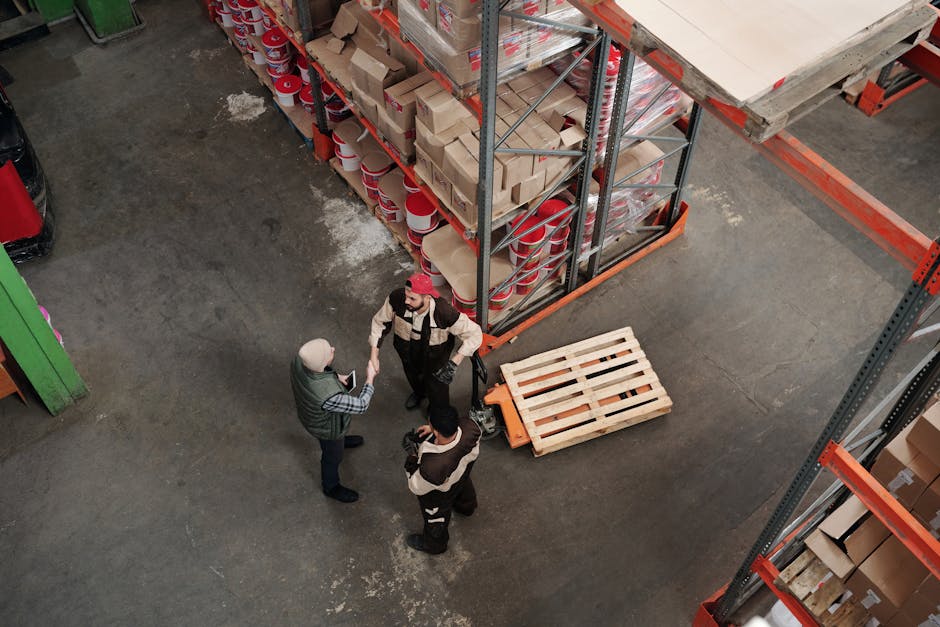
Distributors perform a range of functions that streamline the supply chain. Firstly, they handle the logistics of product distribution, including storage and transportation. By maintaining warehouses, distributors can manage inventory levels and ensure timely delivery to retailers. This role is crucial in minimizing delays and reducing costs associated with shipping.
Secondly, distributors often take on the responsibility of marketing and promoting the products they carry. This can involve creating promotional campaigns, providing training to retailers, and even engaging in direct sales efforts. For example, a distributor might offer incentives for retailers to stock certain products, thus driving sales.
Furthermore, distributors provide valuable market insights to manufacturers. They are often in close contact with retailers and consumers, allowing them to gather feedback on product performance, pricing strategies, and emerging trends. This information can inform the manufacturers’ decisions and product development processes.
The Importance of Choosing the Right Distributor
Choosing the right distributor can significantly impact a business’s success. Companies need to evaluate potential distributors based on their market reach, reputation, and logistical capabilities. A distributor with a robust network can help a manufacturer penetrate new markets more effectively.
Additionally, the alignment of values and business practices between manufacturers and distributors is critical. A mutual understanding of goals and objectives can foster a strong partnership, leading to better collaboration and results. For instance, a distributor that shares a commitment to sustainability may be better suited for a manufacturer focusing on eco-friendly products.
Moreover, it’s essential for businesses to consider the financial aspects of partnering with a distributor. This includes evaluating the distributor’s pricing structure, payment terms, and any additional fees that may arise. Clear communication about financial expectations can prevent conflicts and ensure a smoother working relationship.
Challenges Faced by Distributors
Despite their importance, distributors face several challenges in today’s market. One significant challenge is the increasing pressure to reduce costs while maintaining high service levels. With rising transportation costs and fluctuating demand, distributors must find ways to optimize their operations.
Another challenge is the rapid pace of technological change. Distributors must adapt to new technologies, such as inventory management software and e-commerce platforms, to stay competitive. Those who fail to embrace these changes risk falling behind their competitors.
Additionally, the global nature of supply chains introduces complexities such as regulatory compliance and international shipping challenges. Distributors must navigate various legal requirements and tariffs, which can complicate operations and affect profitability.
The Future of Distribution
The future of distribution is likely to be shaped by technology and changing consumer behaviors. Automation and artificial intelligence are expected to play a significant role in streamlining distribution processes, enhancing efficiency, and reducing costs. For instance, automated warehousing systems can improve inventory management and order fulfillment speeds.
Furthermore, the rise of e-commerce has transformed the way distributors operate. Many distributors are now focusing on direct-to-consumer sales models, adapting to consumer preferences for online shopping. This shift requires distributors to develop robust digital marketing strategies and enhance their online presence.
As sustainability becomes a priority for consumers, distributors will also need to consider their environmental impact. This may involve implementing more efficient transportation methods or sourcing products from sustainable manufacturers. A commitment to sustainability can improve a distributor’s brand image and appeal to environmentally conscious consumers.
Conclusion
In conclusion, distributors play a crucial role in the modern supply chain by managing logistics, marketing products, and providing valuable market insights. Choosing the right distributor can significantly influence a company’s success, making it essential for businesses to evaluate potential partners carefully. Despite the challenges they face, the future of distribution looks promising, with technology and sustainability driving innovation. Understanding the importance of distributors is vital for any business looking to thrive in today’s competitive landscape. As we continue to see changes in consumer behavior and market dynamics, the role of distributors will undoubtedly evolve, making adaptability and foresight essential for success.
In exploring various products, some consumers have turned to options like dmso gel for their specific needs, further illustrating the diverse landscape of distribution in various sectors.