
In the intricate web of modern commerce, the role of distributors often goes unnoticed. Yet, they are the crucial link between manufacturers and consumers, ensuring that products reach shelves and customers efficiently. As businesses evolve, so too does the function of distributors, adapting to technology and changing market demands. This article explores the various aspects of distribution, the importance of distributors, and how they contribute to the overall success of businesses.
The Evolution of Distribution
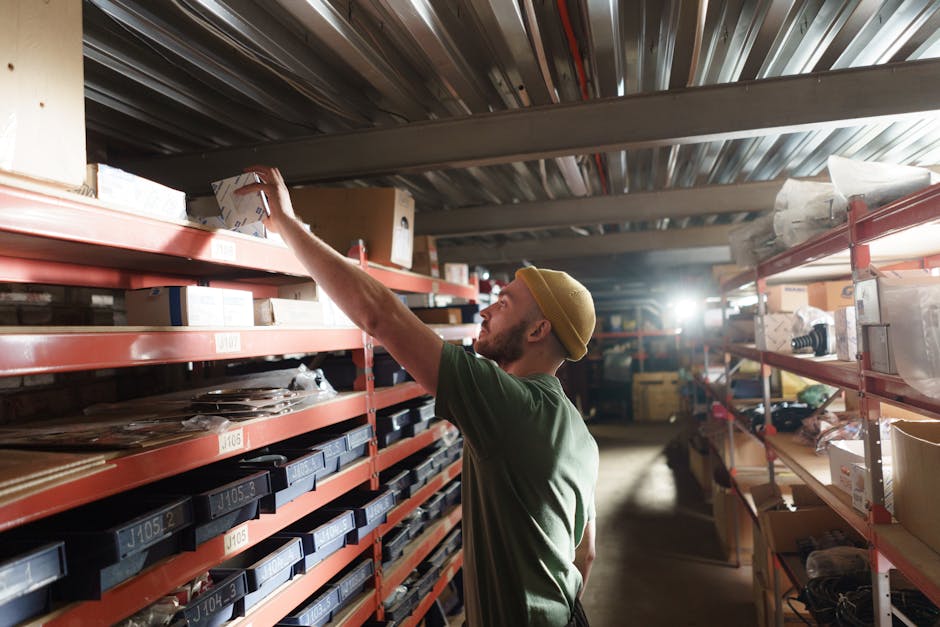
The concept of distribution has transformed significantly over the decades. Traditionally, distributors were seen merely as intermediaries who moved products from producers to retailers. However, with the rise of e-commerce and global trade, their role has expanded. Today, distributors are involved in logistics, marketing, and even customer service. This evolution has made them essential partners for manufacturers looking to navigate complex supply chains.
For instance, according to a report by the National Association of Wholesaler-Distributors, the distribution sector in the United States accounts for nearly 9% of the GDP. This statistic underscores the economic significance of distributors in the marketplace. They not only facilitate product availability but also contribute to economic growth by creating jobs and driving innovation.
The Functions of Distributors
Distributors perform several vital functions that enhance the efficiency of supply chains. One of their primary roles is inventory management. By maintaining stock levels and forecasting demand, distributors help manufacturers avoid overproduction and stockouts. This balance is crucial as it reduces costs and improves customer satisfaction.
Furthermore, distributors often take on the responsibility of marketing products. They understand local markets and customer preferences, allowing them to tailor marketing strategies effectively. This local expertise can lead to more successful product launches and increased sales. For example, a distributor may introduce a new product line to a region based on their understanding of customer trends, ultimately benefiting both the manufacturer and the retailer.
The Importance of Choosing the Right Distributor
Choosing the right distributor is a critical decision for manufacturers. Factors to consider include the distributor’s market reach, reputation, and expertise in the specific industry. A distributor with a strong presence in a certain market can be invaluable for a manufacturer looking to expand their customer base.
Moreover, the right distributor can provide insights into market trends and consumer preferences. They often have access to data and analytics that manufacturers may not possess. This information can be leveraged to make informed decisions regarding product development and marketing strategies.
For instance, a manufacturer of health and beauty products may choose a distributor like GLOW that specializes in that niche. This alignment can lead to more effective distribution and marketing efforts, ultimately resulting in higher sales and brand recognition.
The Challenges Faced by Distributors
Despite their importance, distributors face numerous challenges in today’s fast-paced market. One significant challenge is the rapid advancement of technology. With the rise of direct-to-consumer models, many manufacturers are bypassing traditional distribution channels altogether. This shift necessitates that distributors adapt quickly to remain relevant.
Additionally, the COVID-19 pandemic has exposed vulnerabilities in global supply chains, leading to delays and increased costs. Distributors must now navigate these complexities while maintaining service levels and customer satisfaction. Innovative solutions, like adopting digital tools for inventory management and customer engagement, are essential for overcoming these challenges.
The Future of Distribution
Looking ahead, the future of distribution appears to be one of increasing complexity and opportunity. As e-commerce continues to grow, distributors will need to embrace technology to streamline operations and enhance customer experiences. Automation, artificial intelligence, and data analytics will play significant roles in shaping the distribution landscape.
Moreover, sustainability is becoming a critical consideration for many businesses. Distributors will be expected to adopt environmentally friendly practices and provide transparency in their supply chains. This trend reflects a broader societal shift towards sustainability, which will likely influence consumer purchasing decisions.
Conclusion
In conclusion, distributors play a pivotal role in the success of modern businesses. Their functions extend beyond mere logistics; they are vital partners in marketing, inventory management, and customer engagement. As the landscape of distribution continues to evolve, manufacturers must recognize the importance of choosing the right distributor to ensure their products reach consumers effectively. By understanding the challenges and opportunities within the distribution sector, businesses can navigate the complexities of the market and achieve sustainable growth.