
The aftermath of a crime can be chaotic and traumatic, not only for the victims but also for the community. Crime scene cleanup is an essential service that addresses the often-overlooked aftermath of such events. This process is not just about cleaning up; it involves meticulous attention to detail, safety protocols, and emotional sensitivity. In this article, we will explore the intricate world of crime scene cleanup, its importance, and the specific processes involved.
What is Crime Scene Cleanup?
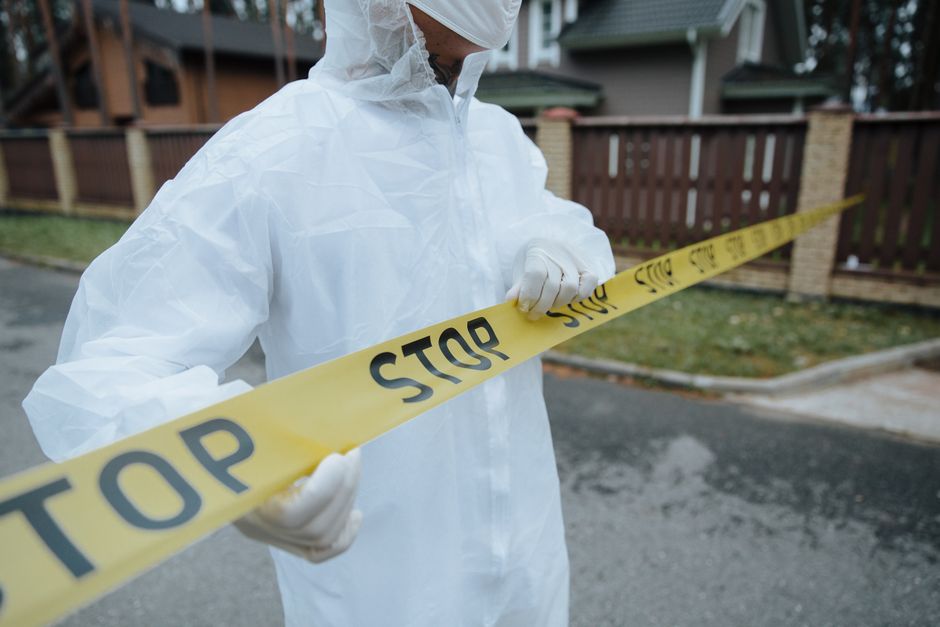
Crime scene cleanup refers to the process of cleaning, sanitizing, and restoring a space where a violent crime has occurred. This could include homicide, suicide, or even accidents. The goal is to remove any biohazardous materials, such as blood and bodily fluids, which can pose a health risk if not handled properly. Professionals in this field are often referred to as ‘crime scene cleaners’ or ‘biohazard remediation specialists.’
These specialists are trained to handle hazardous materials and are familiar with the laws and regulations surrounding cleanup operations. They work to ensure that the site is safe and habitable once again. The need for such services arises not only from a legal perspective but also from a moral obligation to restore dignity to the victims and their families.
The Process of Crime Scene Cleanup
The process of crime scene cleanup is comprehensive and involves several critical steps. Initially, the area is assessed for hazards. This assessment includes identifying any biological materials that need to be cleaned and potential environmental risks that may affect the cleaners.
Once the assessment is complete, the actual cleanup begins. This involves the removal of contaminated materials, including carpets, furniture, and any other items that cannot be adequately cleaned. Following this, the area is thoroughly disinfected using industrial-grade products. It is essential to adhere to strict protocols to ensure that all pathogens are eliminated and that the area is safe.
Legal and Ethical Considerations
Crime scene cleanup is not only a physical task but also comes with a set of legal and ethical responsibilities. Companies that provide these services must comply with local, state, and federal regulations regarding the disposal of hazardous waste. Failure to comply can result in severe penalties and further trauma for the affected families.
Ethically, crime scene cleaners often find themselves in emotionally charged environments. They must approach their work with sensitivity and respect for the victims and their families. This emotional intelligence is crucial as cleaners often become part of the healing process, providing closure through their work.
The Importance of Professional Cleanup Services
Hiring professional crime scene cleanup services is vital for several reasons. Firstly, they have the expertise and equipment necessary to handle hazardous materials safely. They are trained to deal with the psychological aspects of the job, ensuring that they approach each situation with the care it deserves.
Moreover, professional services can often complete the job more efficiently than untrained individuals, minimizing the time that the affected area remains unsafe or undesirable. This speed is crucial for families wishing to move forward after a tragedy. For more information on the intricacies of crime scene cleanup, various resources are available that delve deeper into the subject.
Conclusion
Crime scene cleanup is a specialized field that plays a crucial role in restoring order after chaos. It involves more than just cleaning; it is about providing a service that helps victims and their families heal from traumatic experiences. Understanding the processes, challenges, and importance of this profession can help in appreciating the vital role these professionals play in society. As we recognize their work, we also acknowledge the complexities involved in handling such sensitive situations with care and respect.