
Cardiopulmonary Resuscitation (CPR) is a critical emergency procedure that can save lives in situations where someone’s heart has stopped beating. This skill is not only reserved for medical professionals; it is something that every layperson should learn. By understanding and practicing CPR, individuals can be prepared to respond effectively in emergencies, potentially making the difference between life and death.
The Importance of CPR Training
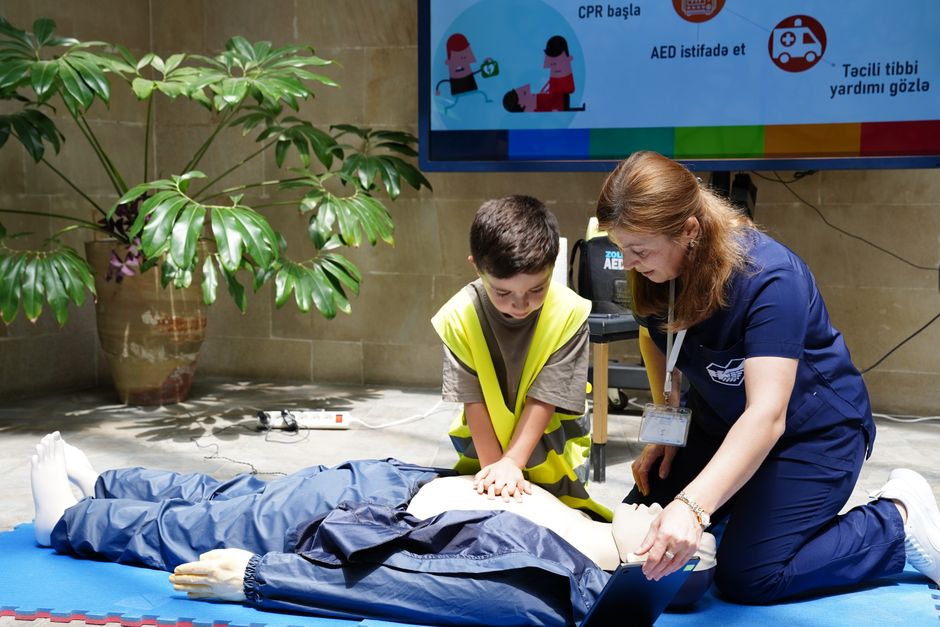
Statistics reveal that nearly 70% of cardiac arrests occur at home, often in the presence of family members who may feel helpless in such situations. According to the American Heart Association, immediate CPR can double or even triple a victim’s chances of survival. This stark reality emphasizes the necessity of CPR training, as it empowers bystanders to take action before professional medical help arrives.
Moreover, CPR training is not only beneficial for the individual performing it but also instills confidence in those witnessing the event. It creates a community of informed citizens who can act decisively in emergencies. For those in high-risk occupations, such as teachers, coaches, and childcare providers, CPR training is often a requirement, further underscoring its value.
How CPR Works
At its core, CPR involves two key components: chest compressions and rescue breaths. The primary goal of CPR is to maintain blood flow to the brain and vital organs until medical professionals can take over. Chest compressions help to artificially circulate blood, while rescue breaths provide oxygen to the lungs. The recommended ratio is 30 compressions followed by 2 breaths, repeated until emergency medical services arrive.
The technique for performing effective chest compressions includes placing the heel of one hand on the center of the chest and interlocking the fingers of the other hand on top. The compressions should be hard and fast, at a rate of 100 to 120 compressions per minute, allowing for full chest recoil between compressions. This method ensures that blood circulation is maintained effectively during the critical moments of an emergency.
When to Perform CPR
Recognizing when to perform CPR is crucial. Signs that a person may need CPR include unresponsiveness, lack of normal breathing, and absence of a pulse. If you encounter someone who is unconscious, the first step is to call emergency services and then assess the situation. If the person does not respond and shows no signs of breathing, it is essential to start CPR immediately.
It’s important to note that CPR should also be performed on infants and children, although the technique differs slightly. For infants, gentle chest compressions and breaths are required, and for children aged 1 to 8, the same adult technique can be used, but with less force. Training courses often cover these distinctions, ensuring that participants are well-prepared for various scenarios.
CPR Training Resources
Finding the right CPR training course is essential for gaining the skills and confidence needed to act in an emergency. Many organizations, such as the American Red Cross and the American Heart Association, offer courses designed for different levels of expertise. These courses typically combine hands-on training with theoretical knowledge, allowing participants to practice on mannequins and receive feedback from certified instructors.
In addition to traditional classroom training, many online resources and courses are available. These can be particularly useful for individuals who have scheduling conflicts or prefer learning at their own pace. However, it is recommended to complete an in-person course to practice the techniques effectively. For those in Sweden, for example, you can find a comprehensive course through HLR kurs Stockholm, which offers essential training tailored to local needs.
Myths and Misconceptions About CPR
Despite its importance, several myths and misconceptions about CPR persist. One common misconception is that performing CPR might cause harm to the victim. In reality, the risks of not performing CPR far outweigh the potential harm. Additionally, many people fear that they will not perform the technique correctly, leading to hesitation in emergencies. It’s vital to understand that any attempt at CPR is better than none and that the training will provide the necessary skills to act confidently.
Another myth is that CPR is only necessary for adults. As mentioned earlier, infants and children also require CPR, and the techniques differ. Understanding these variations can be crucial in emergency situations, especially for parents and caregivers.
Conclusion
In conclusion, CPR is a vital skill that can save lives and should be accessible to everyone. The knowledge and confidence gained from CPR training can empower individuals to act decisively in emergencies, ultimately improving survival rates for cardiac arrest victims. By dispelling myths and encouraging widespread training, we can create a society where more people are prepared to respond effectively in critical situations. Taking the initiative to learn CPR is not just a personal choice; it is a responsibility to oneself and the community.