
Aquaponics is revolutionizing the way we think about sustainable food production. By combining aquaculture and hydroponics, this innovative approach allows individuals to grow vegetables and fish in a symbiotic environment. Many are now turning to aquaponics kits to start their own systems at home, contributing to food security and environmental sustainability.
Understanding Aquaponics
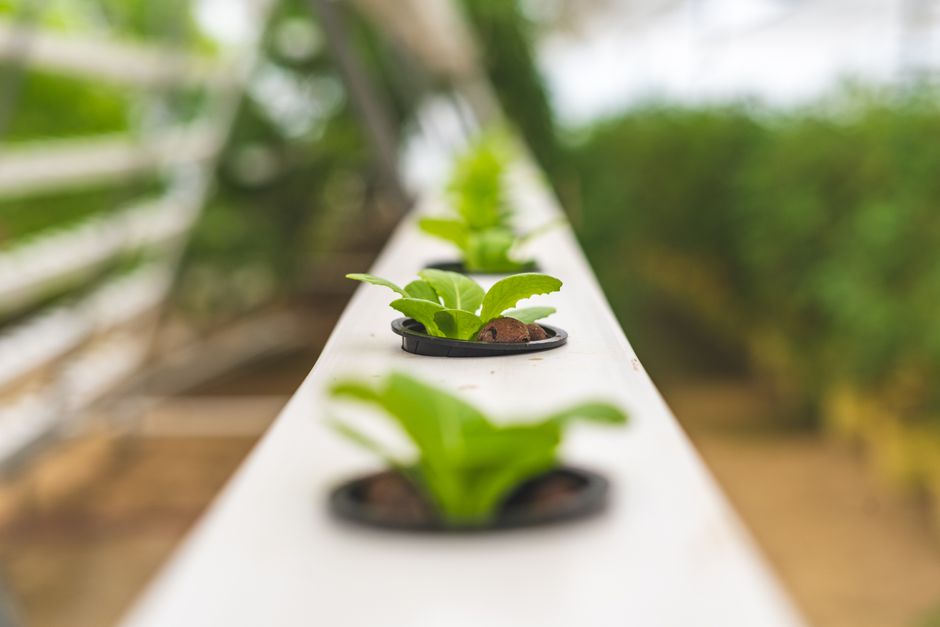
Aquaponics is a method that harnesses the natural relationship between fish and plants. In a typical aquaponics system, fish waste serves as a nutrient source for plants, while the plants help filter and clean the water for the fish. This closed-loop system creates a sustainable ecosystem that can thrive with minimal external inputs. According to a report by the Food and Agriculture Organization (FAO), aquaponics can produce up to ten times more food than traditional farming on the same amount of land.
The principles of aquaponics can be broken down into a few key components: fish, plants, and bacteria. Fish provide the nutrient-rich water through their waste, plants absorb these nutrients, and beneficial bacteria convert the ammonia from fish waste into nitrates that plants can use. Understanding this cycle is crucial for anyone looking to establish an effective aquaponics system.
Choosing the Right Aquaponics Kit
When it comes to selecting an aquaponics kit, there are several factors to consider. First, assess the space you have available. Kits come in various sizes, from small countertop systems ideal for herbs to larger setups suitable for growing fish and vegetables. Additionally, consider the type of fish and plants you wish to cultivate. Some kits are designed specifically for certain species, making it easier for beginners.
Another important factor is the complexity of the system. Some kits come pre-assembled and require minimal setup, while others might require more technical knowledge to install and maintain. For beginners, a user-friendly aquaponics kit is advisable to ensure a smooth start.
Benefits of Using an Aquaponics Kit
The advantages of using an aquaponics kit extend beyond simply growing food at home. One of the primary benefits is the conservation of water. Aquaponics systems use approximately 90% less water than traditional soil-based farming, making them an excellent choice for areas facing water shortages.
Moreover, aquaponics allows for year-round food production. By setting up your system indoors or in a greenhouse, you can grow fresh vegetables and fish regardless of the season. This not only ensures a steady supply of produce but also encourages healthier eating habits by making fresh food more accessible.
Common Challenges and Solutions
While aquaponics is a rewarding endeavor, it does come with its challenges. One common issue is maintaining the right water quality. Fish health is directly linked to water parameters such as pH, ammonia, and nitrate levels. Regular monitoring and adjustments are essential for a thriving aquaponics ecosystem.
Another challenge is pest management. Although aquaponics systems are generally more resilient to pests, they are not immune. Implementing natural pest control methods, such as introducing beneficial insects or using organic sprays, can help keep your plants healthy without harming the fish.
Getting Started with Your Aquaponics Kit
To begin your aquaponics journey, start by researching various kits that suit your needs. Once you have chosen a kit, carefully follow the setup instructions provided. It is crucial to cycle your system before adding fish to establish beneficial bacteria populations. This cycle can take anywhere from a few weeks to a couple of months, but patience is key.
After your system is established, choose fish that are suitable for aquaponics, such as tilapia or goldfish, and select the plants you wish to grow. Leafy greens like lettuce and herbs are often the best choices for beginners, as they adapt well to aquaponic conditions.
Conclusion
Aquaponics represents a sustainable solution to food production that benefits both individuals and the environment. By investing in an aquaponics kit, you can embark on a rewarding journey that promotes self-sufficiency and environmental stewardship. Whether you are a seasoned gardener or a complete novice, aquaponics offers a unique opportunity to grow your food sustainably and efficiently.