
Education has always been a cornerstone of human development, but in the 21st century, its role is more crucial than ever. As the world undergoes rapid technological advancements and societal changes, the educational landscape is also evolving. This article explores the multifaceted nature of education today, emphasizing its importance in fostering critical thinking, creativity, and adaptability among learners.
The Importance of Lifelong Learning
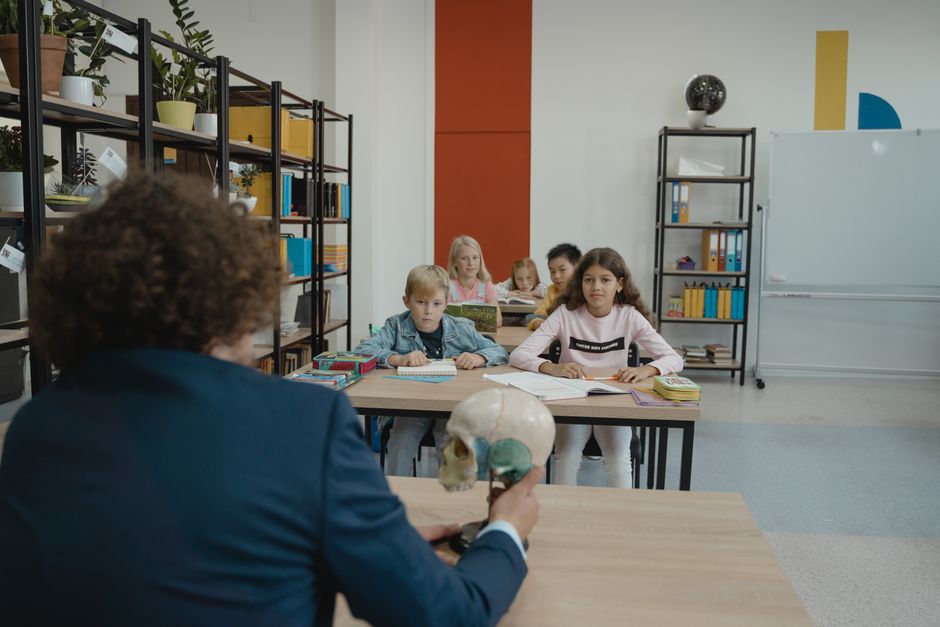
In a world that is constantly changing, the concept of lifelong learning has gained significant traction. Traditional education often focuses on formal schooling, but the reality is that learning should continue throughout one’s life. Lifelong learning enables individuals to stay relevant in their fields, adapt to new technologies, and improve their skills continually.
According to a report by the World Economic Forum, over 50% of all employees will need reskilling by 2025 due to the rapid pace of technological change. This statistic highlights the necessity for educational systems to adapt and provide opportunities for ongoing education. Online courses, workshops, and professional development programs are becoming essential for those who wish to advance their careers or explore new fields.
Moreover, lifelong learning encourages a growth mindset, which is vital for personal and professional development. Individuals who embrace continuous learning are often more innovative and better equipped to tackle challenges in their work environments.
Technology’s Role in Modern Education
The integration of technology in education has transformed how knowledge is disseminated and consumed. Online learning platforms, educational apps, and interactive tools have made education more accessible than ever before. Students can now learn at their own pace, access a wealth of resources, and engage with peers and educators from around the globe.
For instance, platforms like Coursera and edX offer courses from prestigious universities, allowing learners to gain knowledge without geographical barriers. This democratization of education is crucial for fostering inclusivity and ensuring that everyone has the opportunity to learn and grow.
Additionally, technology has facilitated personalized learning experiences. Adaptive learning technologies assess students’ progress and tailor educational content to meet their unique needs, enhancing engagement and improving outcomes. As a result, educators can focus on developing critical thinking and problem-solving skills among their students, preparing them for the complexities of modern life.
Education and Social Mobility
The relationship between education and social mobility cannot be overstated. Access to quality education is a key factor in breaking the cycle of poverty and providing individuals with the tools they need to succeed. Education equips individuals with the skills necessary to pursue better job opportunities, thereby improving their economic status.
Statistics show that individuals with higher levels of education tend to earn significantly more than those with only a high school diploma. According to the U.S. Bureau of Labor Statistics, in 2020, individuals with a bachelor’s degree earned approximately 67% more than those without. This disparity emphasizes the importance of investing in education as a means of achieving economic equity.
Furthermore, education fosters social cohesion and encourages civic engagement. Educated individuals are more likely to participate in community service, vote, and contribute positively to society. This ripple effect demonstrates how education not only benefits individuals but also strengthens communities as a whole.
Challenges Faced by Modern Education Systems
Despite the advancements in education, numerous challenges persist. Inequities in access to quality education remain a significant issue, particularly in underprivileged areas. Many students lack access to essential resources, such as technology and experienced educators, which hinders their learning potential.
Moreover, the COVID-19 pandemic has exacerbated existing disparities, with many students facing learning loss due to school closures and inadequate online learning support. Addressing these challenges requires concerted efforts from governments, educators, and communities to ensure that all students receive a quality education.
In addition, the increasing emphasis on standardized testing has raised concerns about its impact on teaching and learning. Critics argue that focusing too heavily on test scores can stifle creativity and critical thinking, leading to a narrow educational experience. Therefore, it is essential to strike a balance between accountability and fostering a holistic learning environment.
The Future of Education
As we look to the future, the role of education will continue to evolve. The skills required in the workforce are changing, prompting educational institutions to adapt their curricula to meet these new demands. Emphasis on soft skills, such as communication, collaboration, and emotional intelligence, will be crucial in preparing students for the jobs of tomorrow.
Moreover, the rise of artificial intelligence and automation will likely reshape the job market, necessitating a shift in educational focus. Schools must prepare students not only to excel in their fields but also to navigate the complexities of a technology-driven world.
In conclusion, education remains a powerful tool for personal and societal transformation. It fosters critical thinking, adaptability, and social mobility, making it essential for individuals and communities. As we navigate the challenges and opportunities of the 21st century, we must continue to prioritize and innovate within our educational systems to ensure that everyone has the chance to succeed. Additionally, exploring new avenues for learning, such as online platforms like toto togel, can further enhance educational access and equity.