
In recent years, the luxury fashion market has witnessed a dramatic shift. The rise of luxury brand resellers has transformed how consumers access high-end products, allowing them to buy and sell designer items with ease. This article delves into the growing phenomenon of luxury brand reselling, exploring its benefits, challenges, and the future of this burgeoning market.
Understanding the Luxury Brand Reselling Market
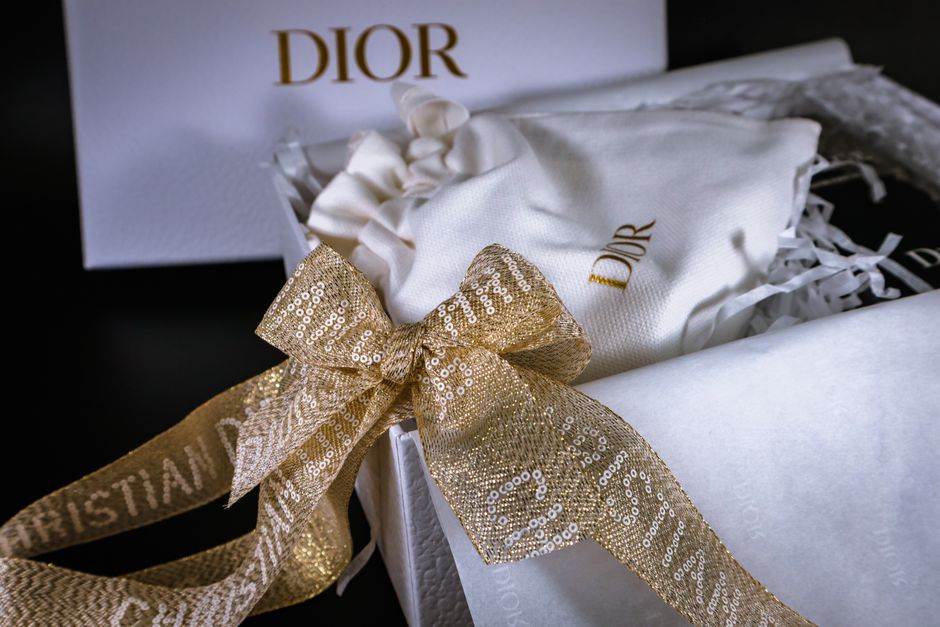
The luxury brand reselling market operates as an intermediary between consumers wanting to sell their items and those looking to purchase high-end products at a more accessible price point. According to a recent report by ThredUp, the resale market is expected to reach $64 billion by 2024. This growth is driven by a younger consumer base that values sustainability and affordability.
Moreover, platforms dedicated to luxury brand reselling have made it easier for individuals to turn their unused items into cash. Websites and apps like Poshmark and Depop have gained immense popularity, allowing users to create an online store and sell their luxury goods directly.
The Benefits of Reselling Luxury Brands
One of the significant advantages of participating in the luxury resale market is the opportunity to purchase items at a fraction of their original price. Many consumers are now looking at pre-owned luxury goods as a viable option, offering both quality and value. For instance, a designer handbag that originally retailed for $2,500 can often be found for around $1,500 on resale platforms.
Additionally, consumers are increasingly motivated by the desire to support sustainable fashion practices. By opting for second-hand luxury items, they contribute to reducing waste and promoting a circular economy. This shift in consumer behavior is reshaping how brands approach production and marketing.
The Challenges Faced by Luxury Brand Resellers
While the luxury brand reselling market presents numerous opportunities, it is not without its challenges. One of the primary concerns is the authenticity of the products being sold. Counterfeit items have plagued the luxury market for years, and both sellers and buyers must ensure that the products are genuine.
To combat this issue, many reselling platforms have implemented strict authentication processes. For example, companies like The RealReal employ experts to verify the authenticity of items before they are listed for sale. This practice helps build trust among consumers, ensuring they are purchasing high-quality, authentic products.
The Future of Luxury Brand Reselling
The future of the luxury brand reselling market looks promising, with continued growth expected as more consumers embrace the idea of pre-owned luxury goods. Brands are also beginning to recognize the importance of this market segment, with some even launching their own resale platforms.
For instance, brands like Gucci and Stella McCartney have introduced initiatives to reclaim and resell their products, providing customers with a sustainable option for luxury purchases. This trend could lead to a more integrated approach between traditional luxury brands and the resale market.
Conclusion
The luxury brand reseller market is rapidly evolving, driven by changing consumer preferences, sustainability initiatives, and the desire for affordability. As this market continues to expand, it presents both opportunities and challenges for buyers and sellers alike. For those interested in exploring this trend further, working with a trusted luxury brand reseller can provide valuable insights and access to high-quality products.