
Stainless steel has become one of the most popular materials in various industries, owing to its remarkable properties and versatility. From kitchen appliances to architectural structures, its applications are vast and varied. This article explores the unique characteristics of stainless steel, its various applications, and why it continues to be a favored choice among manufacturers and consumers alike.
The Unique Properties of Stainless Steel
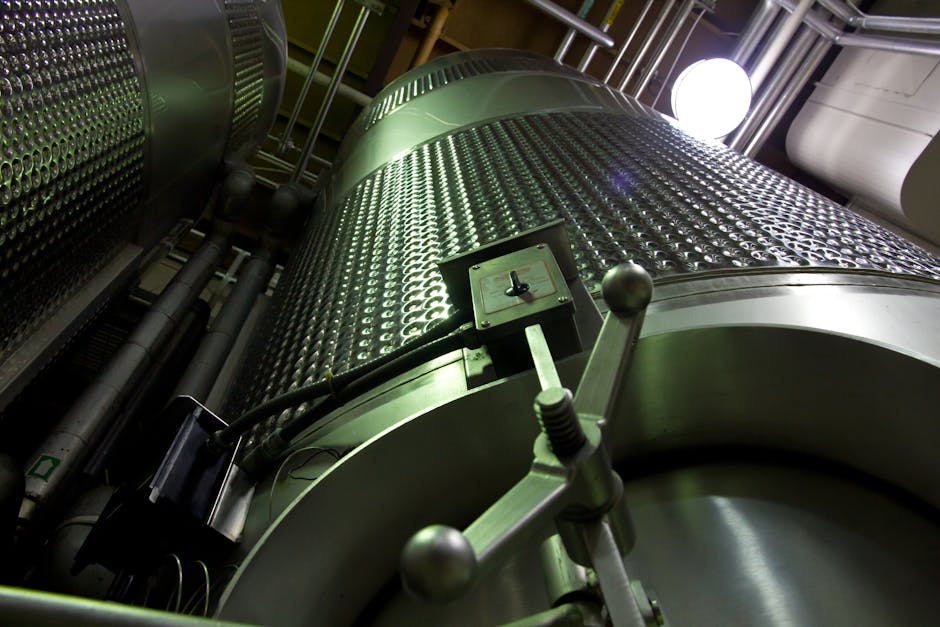
Stainless steel is renowned for its exceptional resistance to corrosion, making it an ideal material for environments that are prone to moisture and exposure to various chemicals. This resistance is primarily due to the presence of chromium, which forms a protective layer on the surface of the steel. Additionally, stainless steel is known for its strength and durability, which allows it to withstand significant wear and tear over time.
Another noteworthy characteristic of stainless steel is its aesthetic appeal. Its shiny, polished finish is not only visually pleasing but also makes it easy to clean, which is particularly important in food-related applications. The material can be easily molded into various shapes and forms, allowing designers and manufacturers to create innovative products that meet different consumer needs.
Applications in the Kitchen and Food Industry
In the kitchen, stainless steel is a staple material used in cookware, cutlery, and kitchen appliances. Its non-reactive properties ensure that it does not alter the taste or quality of food. For instance, chefs often prefer stainless steel pans for sautéing and searing, as they provide even heat distribution and are durable enough for high-heat cooking.
Beyond cookware, stainless steel is also widely used in food processing and storage equipment. From food processing plants to restaurants, stainless steel surfaces are easy to sanitize and maintain, which is critical in ensuring food safety. Additionally, the material is often used to construct storage tanks and piping systems, where its ability to resist corrosion and maintain structural integrity is essential.
Stainless Steel in Architecture and Construction
The architectural world has embraced stainless steel for its modern aesthetic and functional benefits. Many contemporary buildings feature stainless steel façades, which not only enhance the visual appeal but also provide a protective barrier against the elements. The longevity of stainless steel reduces maintenance costs and ensures that buildings retain their luster for years.
Moreover, stainless steel is increasingly being utilized in public infrastructure, such as bridges and railings. Its strength ensures structural integrity, while its resistance to rust and corrosion extends the lifespan of these constructions. This has led to a growing trend among cities and municipalities to incorporate stainless steel elements into their public spaces.
Environmental Impact and Sustainability
As sustainability becomes a more pressing concern, stainless steel has gained recognition for its eco-friendly properties. It is 100% recyclable, which means that it can be repurposed without losing its quality. This aspect makes stainless steel an attractive option for companies looking to minimize their environmental footprint.
Moreover, the production process for stainless steel has become more efficient over the years. Manufacturers are increasingly adopting practices that reduce energy consumption and waste, further enhancing the sustainability of stainless steel products. For instance, advancements in technology allow for the recycling of scrap metal, which significantly lowers the demand for raw materials.
Choosing the Right Stainless Steel for Your Needs
When selecting stainless steel for a particular application, it is crucial to understand the different grades available. Each grade has its own unique composition and properties, making it suitable for specific uses. For example, 304 stainless steel is commonly used in kitchen equipment, while 316 stainless steel is preferred in marine environments due to its superior corrosion resistance.
Additionally, factors such as finish and thickness should be considered. A brushed finish may be ideal for kitchen appliances, while a polished finish could be more suitable for architectural applications. Understanding these nuances can help consumers and businesses make informed decisions when investing in stainless steel products.
For those looking to furnish their spaces with durable and stylish options, exploring a Furniture Company In Saudi Arabia that specializes in stainless steel furniture can be a worthwhile endeavor. These companies often offer a range of products that blend functionality with modern design, catering to various aesthetic preferences.
Conclusion
Stainless steel stands as a testament to the intersection of functionality and aesthetic appeal. Its unique properties make it an indispensable material across various industries, from kitchenware to architecture. As sustainability continues to shape consumer preferences and manufacturing practices, stainless steel is poised to remain a top choice for those seeking durability, beauty, and environmental responsibility. Whether you’re looking to upgrade your kitchen or enhance an architectural project, stainless steel offers unmatched versatility that meets modern demand.