
In recent years, hair transplant procedures have gained immense popularity as effective solutions for hair loss. This surge in demand is driven by advancements in technology, increased awareness of the benefits of hair restoration, and the growing acceptance of cosmetic procedures. Many individuals suffering from hair thinning or baldness are now exploring their options, seeking not just aesthetic improvement but also enhanced self-esteem and confidence.
Understanding Hair Loss
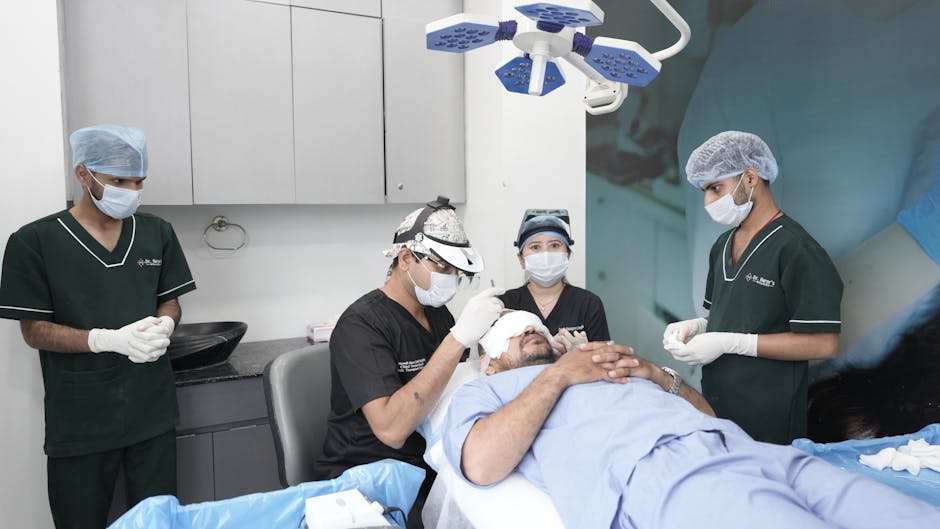
Before delving into the specifics of hair transplant procedures, it is essential to understand the underlying causes of hair loss. Factors such as genetics, hormonal changes, medical conditions, and lifestyle choices can all contribute to this issue. According to the American Academy of Dermatology, approximately 80 million men and women in the United States experience hereditary hair loss. Recognizing the type and cause of hair loss is crucial for individuals considering a hair transplant.
There are several types of hair loss, including androgenetic alopecia, alopecia areata, and telogen effluvium. Androgenetic alopecia, commonly known as male or female pattern baldness, is the most prevalent form. Understanding these conditions can help patients make informed decisions regarding their treatment options.
What is a Hair Transplant?
A hair transplant is a surgical procedure that involves harvesting hair follicles from a donor site, typically the back or sides of the scalp, and transplanting them to areas experiencing hair thinning or baldness. This procedure can restore hair growth in a natural-looking way, allowing individuals to regain their confidence.
There are two primary techniques used in hair transplants: Follicular Unit Transplantation (FUT) and Follicular Unit Extraction (FUE). FUT involves removing a strip of scalp from the donor area, while FUE entails extracting individual hair follicles directly. Each method has its advantages and disadvantages, and the choice often depends on the patient’s specific needs and the surgeon’s expertise.
Benefits of Hair Transplant
The benefits of hair transplant procedures extend beyond mere aesthetics. Many individuals report significant improvements in self-esteem and quality of life after undergoing a hair transplant. A study published in the Journal of Dermatology found that patients who had hair restoration surgery experienced a 70% increase in self-confidence.
Furthermore, hair transplants offer a permanent solution to hair loss. Unlike temporary treatments such as medications or topical applications, transplanted hair follicles will continue to grow naturally for a lifetime. This long-term benefit is a crucial factor driving the popularity of hair transplants among those seeking to address hair loss.
Choosing the Right Clinic
When considering a hair transplant, choosing the right clinic is paramount. Patients should conduct thorough research, looking for clinics with experienced surgeons and positive patient testimonials. Additionally, it is advisable to schedule consultations to discuss options and expectations. Many individuals are also exploring international options for their procedures, particularly in countries known for their advanced techniques and lower costs. One popular destination for hair restoration is Turkey, where clinics offer competitive pricing and high-quality care. For those interested, options like hair transplant turkey are becoming increasingly attractive.
Post-Procedure Care and Expectations
After undergoing a hair transplant, proper post-operative care is crucial for achieving optimal results. Patients are typically advised to avoid strenuous activities and follow specific guidelines provided by their surgeon. It is also essential to manage expectations regarding hair growth. Transplanted hair may take several months to fully develop, and patience is key during this period.
In addition to physical care, emotional support can also play a significant role in the recovery process. Many individuals benefit from connecting with others who have undergone similar procedures, sharing experiences and tips for managing expectations and celebrating successes.
Conclusion
Hair transplant procedures represent a significant advancement in the field of cosmetic surgery, offering hope to those experiencing hair loss. By understanding the causes of hair loss, the benefits of hair transplants, and the importance of choosing the right clinic, individuals can make informed decisions about their hair restoration journey. As technology continues to evolve, the future of hair transplants looks promising, with even more innovative solutions on the horizon.