
Perfume has captivated humanity for centuries, serving as a medium for self-expression and a tool for evoking memories. From ancient civilizations to modern luxury brands, the world of fragrance is rich and diverse. Whether it’s the alluring scent of jasmine or the refreshing notes of citrus, perfumes have the power to transport us to different times and places. In this article, we will explore the intricate world of perfume, its history, the science behind it, and how to choose the perfect scent for yourself.
The History of Perfume
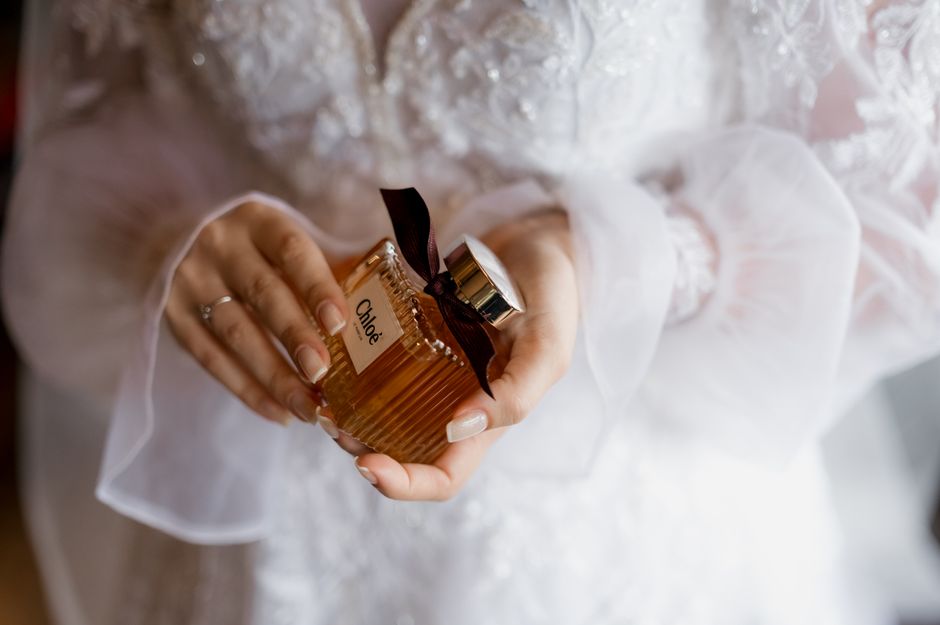
The use of fragrance dates back to ancient Egypt, where perfumes were integral to religious ceremonies and daily life. Egyptians crafted scents from natural ingredients like flowers, spices, and resins. These fragrances were not only used by the elite but also served as offerings to the gods. The art of perfumery spread across cultures, with the Greeks and Romans further developing it. By the Middle Ages, perfume had become a symbol of wealth and sophistication in Europe.
In the 19th century, the industrial revolution transformed the perfume industry. Synthetic compounds began to emerge, allowing for more complex and diverse scents. This era saw the birth of iconic fragrances, many of which are still popular today. As consumer demand grew, so did the number of perfume houses, leading to a proliferation of unique scents.
The Science Behind Fragrance
Perfume creation is not just an art; it is also a science. The process begins with the selection of raw materials, which can be derived from natural sources or created synthetically. These materials are categorized into three main notes: top notes, middle notes, and base notes. Top notes are the initial scents perceived upon application, often light and refreshing. Middle notes, or heart notes, develop after the top notes evaporate and form the core of the fragrance. Finally, base notes provide depth and longevity, lingering on the skin long after the initial application.
Understanding the olfactory system is crucial for perfumers. The human nose can detect thousands of different scents, and each person’s perception of fragrance can vary widely. This subjectivity makes creating a universally appealing scent a complex challenge. Perfume houses often conduct extensive testing to gauge reactions and refine their products.
Choosing the Right Perfume
Finding the perfect perfume can be a daunting task, given the vast array of options available. One effective strategy is to identify your scent profile. Do you prefer floral, woody, oriental, or fresh scents? Knowing your preferences can significantly narrow down your choices. Additionally, consider the occasion when selecting a fragrance. Light, fresh scents may be more suitable for daytime wear, while richer, more intense fragrances can be perfect for evening events.
When testing perfumes, it’s essential to apply them correctly. Spray the fragrance on your pulse points, such as your wrists and neck, to enhance its longevity. Allow the scent to develop over time, as the initial burst may differ significantly from the fragrance’s true essence after a few hours. Shopping at reputable stores, where you can find brands like Maison Francis Kurkdjian (MFK), can also provide you with guidance from knowledgeable staff.
Fragrance Trends and Innovations
The perfume industry is continually evolving, with trends reflecting societal shifts and consumer preferences. Recently, there has been a growing demand for sustainable and eco-friendly fragrances. Brands are increasingly focusing on sourcing natural ingredients responsibly and using sustainable packaging. Consumers are becoming more conscious of the environmental impact of their purchases, leading to the rise of niche brands that prioritize ethical production.
Technological advancements are also playing a role in fragrance creation. Artificial intelligence is being utilized to analyze trends and consumer preferences, aiding perfumers in developing new scents that resonate with modern audiences. Virtual reality experiences are even being explored to enhance the shopping experience, allowing consumers to immerse themselves in the scent before making a purchase.
The Cultural Significance of Perfume
Perfume is more than just a cosmetic product; it holds significant cultural importance across the globe. In many cultures, fragrance is intertwined with identity and tradition. For instance, in Middle Eastern cultures, the use of attar, a concentrated perfume oil, plays a vital role in social and religious practices. Similarly, in Western cultures, signature scents can become synonymous with a person’s identity, leaving a lasting impression on others.
Moreover, perfume has been a muse for artists and writers throughout history. It has inspired poetry, literature, and visual arts, showcasing its ability to evoke emotions and memories. The interplay between scent and memory is profound, often triggering nostalgia or influencing mood.
Conclusion
The world of perfume is a fascinating blend of history, science, and art. From its ancient origins to contemporary innovations, fragrance continues to enchant and inspire. Whether you are a seasoned fragrance enthusiast or a newcomer to the world of scents, understanding the nuances of perfume can enhance your experience and help you find a scent that truly resonates with you. As you embark on your fragrance journey, remember that each scent tells a story, and the right perfume can become a cherished part of your identity.