
Perfume has always held a special place in human culture, serving as a form of self-expression and an embodiment of emotions. From ancient civilizations to modern society, the art of perfumery has evolved, yet its fundamental purpose remains unchanged: to evoke memories, enhance moods, and create an aura of allure. In this exploration, we will delve into the rich history of perfumes, the science behind fragrance, the art of choosing the perfect scent, and the trends that shape the perfume industry today.
The Historical Significance of Perfume
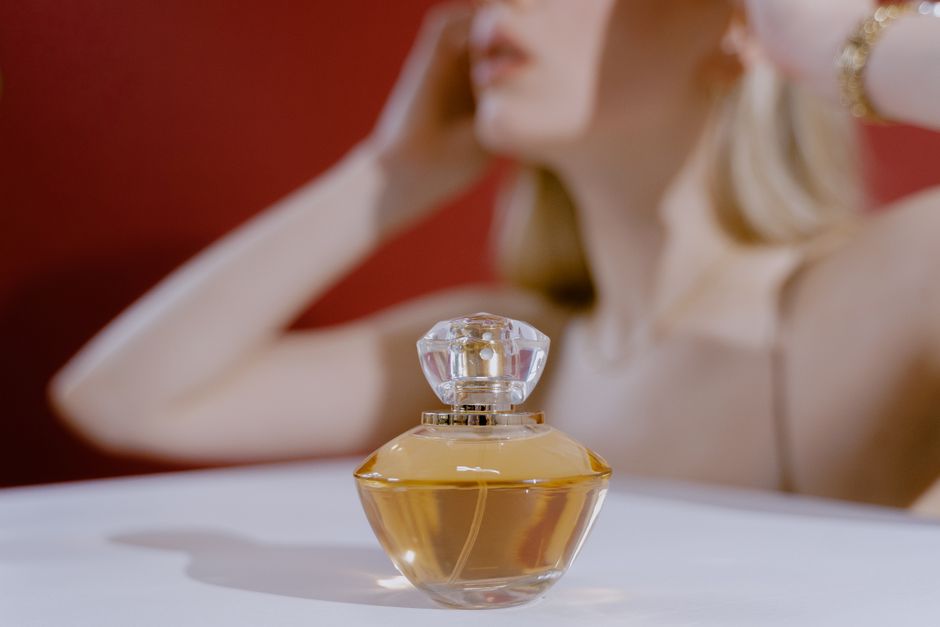
Perfume dates back to ancient times, with the earliest records indicating its use in Mesopotamia around 4000 years ago. The Egyptians utilized scents in religious rituals, believing that fragrances brought them closer to the divine. They created oils and balms infused with fragrant substances like myrrh and frankincense, which were highly valued and often used in embalming processes.
As time progressed, the Greeks and Romans embraced perfume, using it as a status symbol. The famed Roman Emperor Nero was known to have bathed in rose water, demonstrating the luxurious nature of fragrance. During the Middle Ages, perfume fell out of favor in Europe due to the rise of conservatism, but it regained popularity during the Renaissance, with the emergence of sophisticated distillation techniques.
Today, the history of perfume is celebrated in various cultures, with countries like France leading the way in perfumery craftsmanship. The rise of haute parfumerie has created a niche market where artisans create unique, high-quality fragrances that cater to individual tastes.
The Science Behind Fragrance
Understanding the chemistry of perfume is essential to appreciate its complexity. A fragrance is composed of various notes that blend to create a harmonious scent profile. These notes are categorized into three groups: top notes, middle notes, and base notes. Top notes are the initial scents perceived upon application, often citrusy or fruity. Middle notes emerge once the top notes dissipate, forming the heart of the fragrance. Finally, base notes provide depth and longevity, usually consisting of richer, heavier scents like vanilla or musk.
The way we perceive fragrance is influenced by our olfactory senses and can evoke strong emotional responses. This connection between scent and memory is why perfume can be so powerful; a single whiff can transport us back to a specific time or place. According to a study published in the journal *Chemical Senses*, our sense of smell is closely linked to the limbic system, the part of our brain that deals with emotions and memory.
Moreover, the creation of a perfume involves extensive testing and refinement. Master perfumers, often referred to as ‘noses’, spend years honing their skills, learning to identify and blend different fragrance components. This intricate process results in the unique and captivating fragrances we cherish.
Choosing Your Signature Scent
Selecting a perfume is a deeply personal experience, influenced by individual preferences, body chemistry, and lifestyle. When choosing a fragrance, consider factors such as the occasion, season, and your personality. For instance, lighter, floral scents may be more suitable for daytime wear, while richer, spicier fragrances can be ideal for evening events.
Testing a fragrance is crucial to finding the right one. Apply the perfume on your skin rather than on a test strip, as body chemistry can alter how a scent develops. Allow the fragrance to settle for a few hours to understand its evolution. It’s also beneficial to sample a variety of scents before making a decision. Many fragrance houses offer discovery sets, allowing you to explore multiple options without committing to a full bottle.
Additionally, consider exploring niche perfumeries, such as Maison Francis Kurkdjian (MFK), which often produce unique and bespoke fragrances that stand out from mainstream offerings. These artisanal scents can provide a more personal touch and reflect your individuality.
Current Trends in the Perfume Industry
The perfume industry is continuously evolving, with new trends emerging that reflect societal changes and consumer preferences. One significant trend is the rise of sustainable and eco-friendly fragrances. Consumers are becoming increasingly aware of the environmental impact of their purchases and are seeking brands that prioritize sustainability in their sourcing and production practices.
In addition, the demand for unisex fragrances has grown, challenging traditional gender norms in perfumery. Many brands are now offering scents that appeal to a broader audience, emphasizing the idea that fragrance should not be confined to gender stereotypes.
Moreover, technology is playing a role in the future of fragrance. Innovations such as personalized scent creation through algorithms and virtual reality experiences for testing scents are becoming more prevalent. These advancements allow consumers to engage with fragrances in new and exciting ways, enhancing the overall experience of scent selection.
Conclusion
Perfume is more than just a pleasant scent; it is an art form, a science, and a means of self-expression. Understanding its history, the intricacies of fragrance composition, and the process of selecting the right scent can enrich our appreciation for this captivating aspect of our lives. As the industry continues to innovate and adapt to changing consumer preferences, the world of perfume remains a dynamic and alluring domain, inviting us to explore and discover our unique olfactory identities.