
In the fast-paced world of the restaurant industry, efficiency and customer satisfaction are paramount. One of the most significant advancements in recent years has been the introduction of restaurant POS systems, which have transformed the way dining establishments operate. These systems not only streamline operations but also enhance the overall dining experience for customers. In this article, we will explore the various functionalities, benefits, and future trends of restaurant POS systems, providing a comprehensive overview of their role in modern dining.
Understanding Restaurant POS Systems
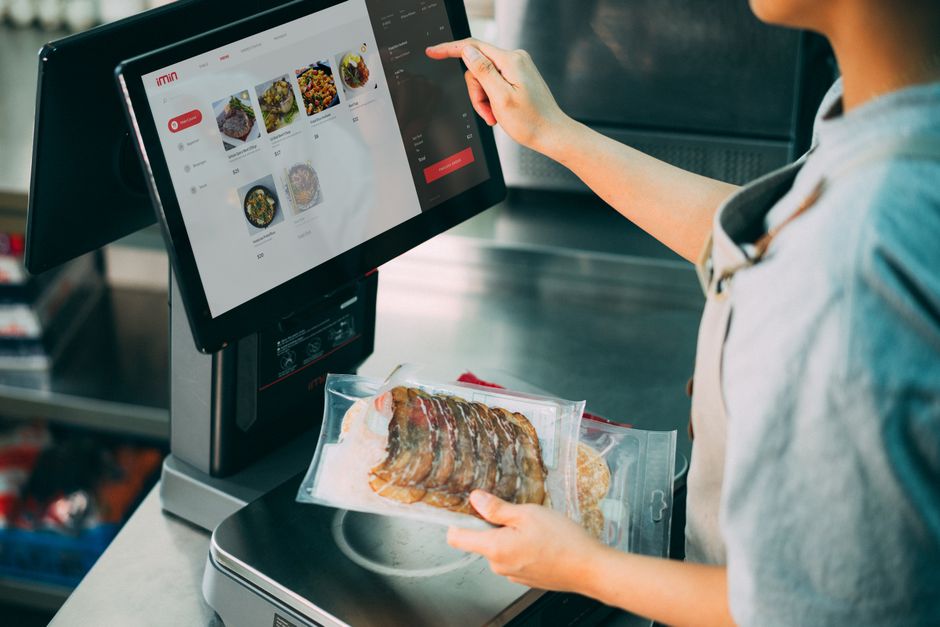
A restaurant POS (Point of Sale) system is a technology that allows restaurants to manage sales transactions, track inventory, and handle customer interactions all in one place. These systems come equipped with a variety of features, including order management, payment processing, and reporting capabilities. By integrating these functions, restaurant owners can gain valuable insights into their operations.
Typically, a restaurant POS system consists of hardware, such as touch-screen terminals, receipt printers, and mobile devices, alongside software that manages the backend operations. This combination allows staff to take orders efficiently, process payments quickly, and generate reports that reflect the restaurant’s performance.
The Benefits of Implementing a POS System
One of the most compelling reasons to invest in a restaurant POS system is the improved operational efficiency it offers. For instance, staff can easily input orders and modify them in real-time, reducing the chances of errors that can lead to customer dissatisfaction. Additionally, with integrated payment processing, the time taken to complete transactions is significantly reduced, allowing for quicker table turnover.
Another advantage is the ability to track inventory levels in real-time. This feature helps restaurant managers avoid stockouts and overstock situations, optimizing the supply chain. For example, if a certain ingredient is running low, the system can alert the staff to reorder before it affects service. Such proactive management ultimately leads to better cost control and waste reduction.
Enhancing Customer Experience with POS Systems
In today’s competitive restaurant landscape, providing exceptional customer service is essential. A restaurant POS system can significantly enhance the customer experience in various ways. First, it allows for personalized service by storing customer preferences and order histories. This data can be used to offer tailored recommendations or special deals, making customers feel valued and increasing their likelihood of returning.
Moreover, many modern POS systems come with features that enable online reservations and mobile ordering. By allowing customers to place orders ahead of time or reserve tables through an app, restaurants can cater to the increasing demand for convenience. This flexibility not only attracts new customers but also builds loyalty among existing ones.
Case Studies: Success Stories of POS Implementation
Several restaurants have successfully implemented POS systems, reaping substantial benefits. For instance, a popular chain in the U.S. reported a 15% increase in sales after upgrading its POS system. By utilizing advanced analytics provided by the system, they were able to identify peak hours and adjust staffing accordingly, ensuring that customer service remained top-notch during busy periods.
Another example includes a small family-owned restaurant that integrated a POS system to manage its catering orders more effectively. By automating the ordering process, they reduced order errors by 30%, leading to higher customer satisfaction and repeat business. These case studies illustrate that regardless of size, restaurants can significantly improve their operations and customer service through effective POS system implementation.
Future Trends in Restaurant POS Technology
As technology continues to evolve, so do restaurant POS systems. The future of these systems looks promising, with trends such as cloud-based solutions gaining traction. Cloud POS systems allow for greater flexibility and scalability, enabling restaurant owners to manage their operations from anywhere with an internet connection.
Furthermore, the integration of artificial intelligence (AI) and machine learning into POS systems is expected to enhance data analysis capabilities. This will allow restaurants to predict customer behavior more accurately and optimize their menu offerings based on trending items. Such innovations will not only streamline operations further but also provide a more personalized dining experience.
Conclusion: The Essential Role of POS Systems in Dining
In conclusion, the impact of restaurant POS systems on the dining industry cannot be overstated. They not only enhance operational efficiency but also significantly improve customer satisfaction and loyalty. As the industry continues to evolve, staying ahead by adopting the latest POS technologies will be crucial for restaurant success. For those looking to make the transition or upgrade their existing systems, exploring options such as a restaurant POS system can be a game-changer, setting the foundation for operational excellence and superior customer experiences.