
In an era where urbanization is reaching new heights and global populations continue to swell, the demand for sustainable agricultural practices has never been more pressing. Among the innovative solutions emerging to address these challenges is vertical farming technology. This method of farming, which utilizes vertically stacked layers to grow crops, promises to significantly reduce the land footprint of agriculture while maximizing productivity and sustainability.
Understanding Vertical Farming Technology
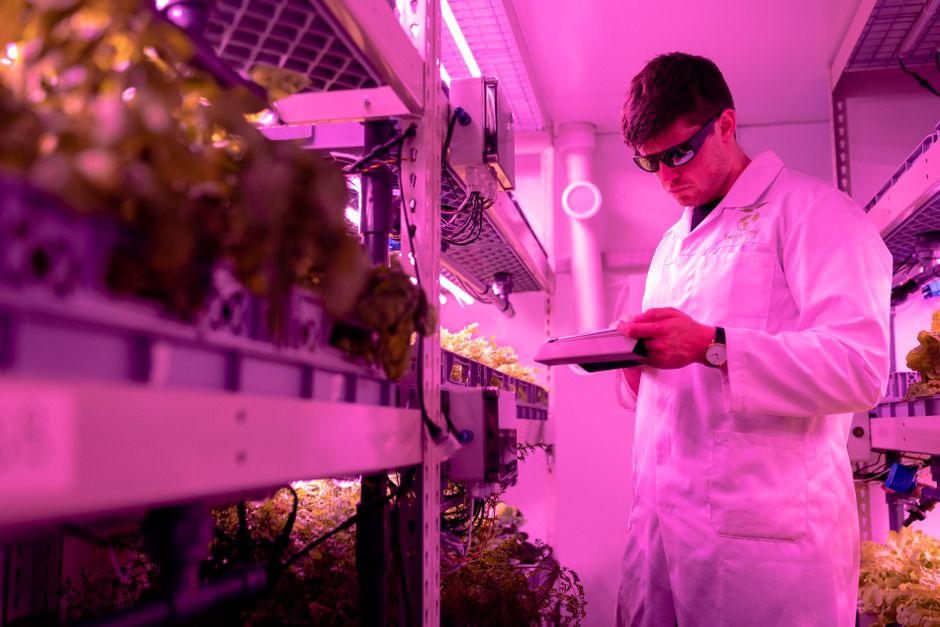
Vertical farming technology integrates various advanced agricultural practices, including hydroponics, aeroponics, and controlled-environment agriculture, allowing for year-round crop production. By growing plants in vertically inclined surfaces, farmers can utilize space more efficiently than traditional farming methods. For instance, a single vertical farm can produce the equivalent yield of multiple acres of conventional farmland.
Moreover, vertical farms often employ artificial lighting and climate control systems that optimize growth conditions. This precise control over environmental factors enables farmers to cultivate a diverse range of crops, from leafy greens to herbs, regardless of external weather conditions. As a result, vertical farming is particularly advantageous in urban areas where arable land is scarce.
Benefits of Vertical Farming
One of the most significant advantages of vertical farming is its potential to conserve resources. Traditional agriculture is notorious for its heavy reliance on water and land. In contrast, vertical farms can use up to 90% less water, thanks to recirculation systems that minimize waste. This is especially crucial in regions facing water scarcity.
Additionally, vertical farms reduce the need for pesticides and herbicides, as the controlled environments limit pest exposure. This leads to healthier crops and less environmental impact. Furthermore, by locating farms closer to urban centers, vertical farming reduces transportation emissions and provides fresher produce to consumers.
Economic Viability and Challenges
While the benefits are clear, the economic viability of vertical farming remains a topic of discussion. Start-up costs for establishing a vertical farm can be high due to the technology and infrastructure required. However, as the technology advances and becomes more accessible, the initial investment may yield substantial returns in the long run.
According to a report by the Food and Agriculture Organization, the global vertical farming market is expected to reach $13 billion by 2025. This growth indicates a rising interest in urban agriculture and the potential for vertical farms to become a staple in food production.
Case Studies of Successful Vertical Farms
Several successful vertical farms around the world serve as prime examples of this innovative technology in action. One notable case is AeroFarms, based in Newark, New Jersey. Utilizing aeroponic systems, AeroFarms claims to produce up to 390 times more food per square foot annually than traditional farming.
Another key player is Plenty, located in San Francisco, which focuses on using machine learning and data analytics to optimize crop yields. Their farms are designed to maximize efficiency while minimizing energy consumption, showcasing the intersection of technology and agriculture.
The Future of Vertical Farming
As the world grapples with issues like climate change and food security, vertical farming technology stands out as a sustainable solution that could reshape the agriculture landscape. Innovations in LED lighting, automation, and artificial intelligence are likely to further enhance the efficiency and productivity of vertical farms.
In conclusion, the potential of vertical farming technology is immense. By integrating sustainable practices with cutting-edge technology, this approach not only addresses the challenges of urbanization and population growth but also paves the way for a more resilient food system. As we move forward, embracing this innovative farming technique could be key to ensuring food security for future generations. For those interested in exploring more about this transformative approach, resources about vertical farming technology are readily available.