
In an age where digital experiences are becoming more immersive and interactive, virtual tour photography has emerged as a powerful tool for showcasing spaces in a way that traditional photography cannot. This innovative approach allows viewers to explore locations as if they were physically present, making it an attractive option for businesses, real estate, and tourism. With the growing demand for engaging content, understanding the nuances of virtual tour photography is crucial for anyone looking to enhance their visual storytelling.
Understanding Virtual Tour Photography
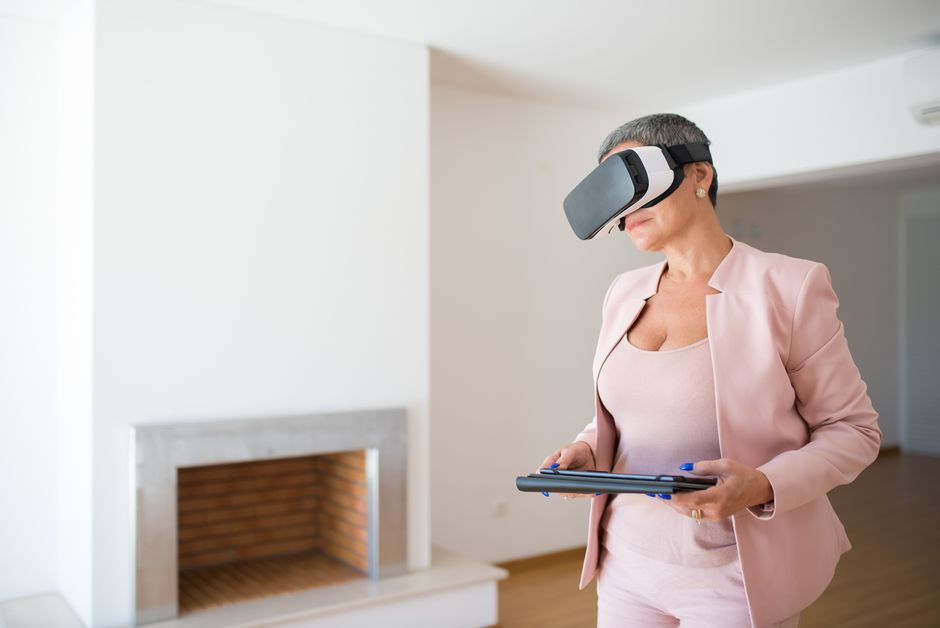
Virtual tour photography involves capturing a series of panoramic images that can be stitched together to create a 360-degree view of a location. This technique not only highlights the aesthetics of the space but also provides a sense of depth and dimension that flat images simply cannot convey. The technology behind virtual tours has evolved significantly, allowing for high-resolution images and interactive elements that enhance the viewer’s experience.
One of the main advantages of virtual tour photography is its ability to engage potential customers. According to a study by the National Association of Realtors, listings with virtual tours receive 87% more views than those without. This statistic underscores the importance of incorporating virtual tours into marketing strategies, particularly in industries like real estate and hospitality.
Benefits of Virtual Tours for Businesses
For businesses, virtual tour photography offers a unique opportunity to stand out in a crowded marketplace. By providing potential customers with an immersive experience, businesses can build trust and credibility. This is particularly important in the hospitality industry, where first impressions can significantly impact a customer’s decision-making process.
In addition to enhancing customer engagement, virtual tours can also improve SEO rankings. Search engines favor websites that offer rich media content, and incorporating virtual tours can lead to longer dwell times and lower bounce rates. This not only boosts visibility but also drives organic traffic to a business’s website.
Furthermore, virtual tours can be used across various platforms, including social media, websites, and email marketing campaigns. This versatility ensures that businesses can maximize their reach and attract a wider audience.
Creating High-Quality Virtual Tours
To create effective virtual tours, it’s essential to focus on quality. High-resolution images, proper lighting, and careful composition are all crucial elements that contribute to a successful virtual tour. Additionally, utilizing specialized software for stitching images together can enhance the final product, providing a seamless viewing experience.
Incorporating interactive elements, such as clickable hotspots, can also add value to virtual tours. These hotspots can provide additional information about features within the space, offer links to related content, or even initiate contact with the business. Such features not only enrich the viewer’s experience but also encourage user interaction.
Moreover, it’s important to consider the target audience when creating virtual tours. Tailoring the content to address the interests and preferences of the audience can significantly improve engagement. For example, a real estate virtual tour might highlight unique architectural features, while a hotel tour may focus on amenities and services.
Challenges in Virtual Tour Photography
While virtual tour photography offers numerous benefits, it is not without its challenges. One of the primary obstacles is the cost associated with high-quality equipment and software. Professional-grade cameras, lenses, and editing software can represent a significant investment, particularly for small businesses or individual creators.
Additionally, creating virtual tours can be time-consuming. From planning the shoot to editing the images and integrating them into a platform, the process requires meticulous attention to detail. This can be a deterrent for those looking to quickly produce content.
Another challenge is the need for technical expertise. Understanding how to operate the equipment, as well as how to effectively stitch and edit images, requires a certain level of skill that may not be readily available to all businesses.
The Future of Virtual Tour Photography
As technology continues to advance, the future of virtual tour photography looks promising. Innovations such as virtual reality (VR) and augmented reality (AR) are beginning to reshape the landscape of virtual tours, offering even more immersive experiences for users. These technologies allow for dynamic interactions and can create a more engaging narrative around the space being showcased.
Moreover, with the rise of remote work and virtual events, the demand for virtual tours is expected to increase. Businesses will likely continue to seek out creative ways to connect with customers and showcase their offerings in a digital format. This trend presents an opportunity for photographers and content creators to expand their services and cater to a growing market.
By mastering the art of virtual tour photography, professionals can position themselves as leaders in this evolving field, offering innovative solutions that meet the needs of modern consumers.
Conclusion
Virtual tour photography represents a significant advancement in how we experience spaces digitally. Its ability to engage viewers and provide immersive experiences makes it an invaluable tool for businesses across various industries. While challenges exist, the benefits of incorporating virtual tours into marketing strategies are undeniable. As technology continues to evolve, the potential for virtual tour photography will only expand, paving the way for creative storytelling and enhanced customer interactions.