
In the modern manufacturing landscape, sheet metal fabrication stands out as a crucial process that impacts various industries. From automotive to aerospace, the ability to shape and mold metal sheets into functional components is essential. This article delves into the intricacies of sheet metal fabrication, exploring its techniques, applications, and the future of this vital industry.
Understanding Sheet Metal Fabrication
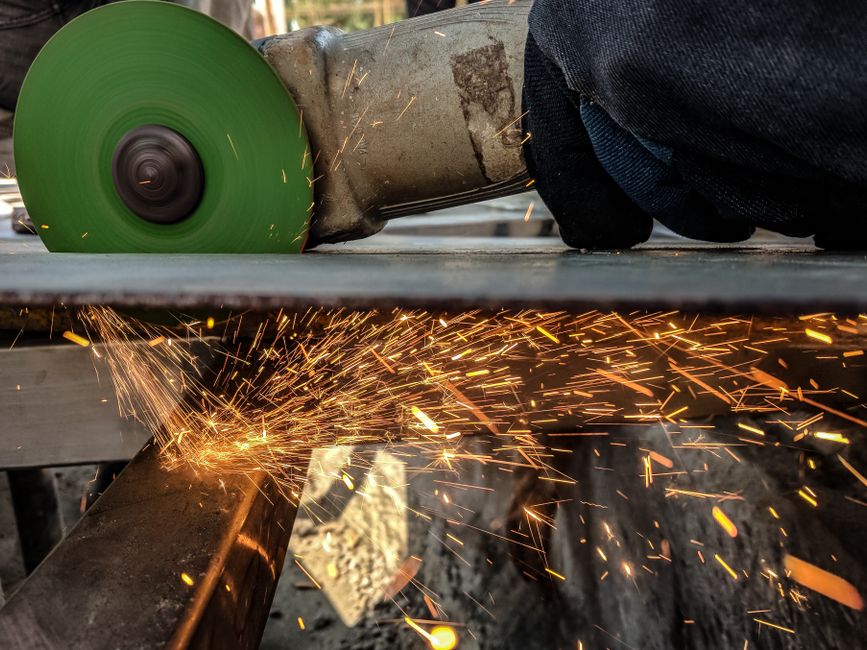
Sheet metal fabrication is a process that involves transforming flat metal sheets into various structures and components through several techniques. These techniques include cutting, bending, and assembling. The types of metals used can vary widely, including aluminum, steel, copper, and brass, allowing for diverse applications across multiple sectors.
The process begins with design, often utilizing CAD (Computer-Aided Design) software to create precise blueprints. Once the design is finalized, the fabrication process can commence, employing tools such as laser cutters, CNC machines, and presses to achieve the desired shapes.
One of the most significant advantages of sheet metal fabrication is its efficiency. The ability to produce high volumes of parts quickly and accurately makes it an attractive option for manufacturers. Furthermore, advances in technology have led to increased automation in fabrication processes, further enhancing productivity and reducing labor costs.
Key Techniques in Sheet Metal Fabrication
Several techniques are integral to the sheet metal fabrication process. Each method has its unique advantages and considerations, depending on the end product’s requirements.
Cutting is one of the primary steps in fabrication. This can be accomplished through various methods, including shearing, laser cutting, and plasma cutting. Laser cutting, in particular, has gained popularity due to its precision and ability to create intricate designs without the need for extensive tooling.
Another essential technique is bending. This process involves altering the shape of the metal sheet to create angles and curves. Bending can be done with press brakes or other bending machines, allowing for precise control over the angle and radius of the bend.
Finally, assembly techniques, such as welding, riveting, and adhesive bonding, play a crucial role in bringing fabricated components together. The choice of assembly method often depends on the material properties and the intended use of the final product.
Applications of Sheet Metal Fabrication
The applications of sheet metal fabrication are vast and varied. In the automotive industry, for instance, it is used to produce body panels, frames, and various components that contribute to vehicle safety and performance. The aerospace sector relies heavily on sheet metal for aircraft structures, including wings and fuselages, where weight and strength are critical factors.
Moreover, the construction industry utilizes sheet metal fabrication for HVAC systems, roofing, and siding. The ability to customize designs to meet specific architectural requirements makes this fabrication method invaluable.
In addition to these traditional applications, emerging technologies are opening new doors for sheet metal fabrication. For example, advancements in 3D printing and additive manufacturing are beginning to intersect with sheet metal processes, leading to innovative solutions and hybrid products.
The Future of Sheet Metal Fabrication
The future of sheet metal fabrication is poised for exciting developments, driven by technological advancements and evolving market demands. Automation and integration of smart technologies are likely to dominate the landscape. As industries strive for efficiency, companies are increasingly adopting robotics and AI-driven solutions to streamline their fabrication processes.
Sustainability is another critical focus for future developments. As environmental concerns grow, there is a push towards using recyclable materials and reducing waste during fabrication. Companies are exploring ways to minimize the environmental impact of their operations while maintaining quality and efficiency.
Furthermore, the increased demand for customization in products is encouraging manufacturers to invest in flexible fabrication systems that can accommodate small batch sizes without sacrificing speed or cost.
Conclusion
In conclusion, sheet metal fabrication is a vital component of modern manufacturing, offering versatility and efficiency across various industries. As technology continues to evolve, the potential for innovation in fabrication processes is limitless. Understanding the intricacies of this field not only highlights its importance but also sheds light on future opportunities and challenges. For those looking to delve deeper into the world of fabrication, resources are available online, including guides on sheet metal fabrication that provide valuable insights into techniques and applications.