
Septic tanks play a crucial role in managing wastewater for homes not connected to a centralized sewer system. Proper maintenance and cleaning of these tanks are essential to ensure their efficiency and longevity. Neglecting septic tank cleaning can lead to significant issues, such as system failure, costly repairs, and even environmental hazards. This article will delve into the importance of septic tank cleaning, how often it should be done, the cleaning process, and tips for maintaining your septic system.
The Importance of Regular Septic Tank Cleaning
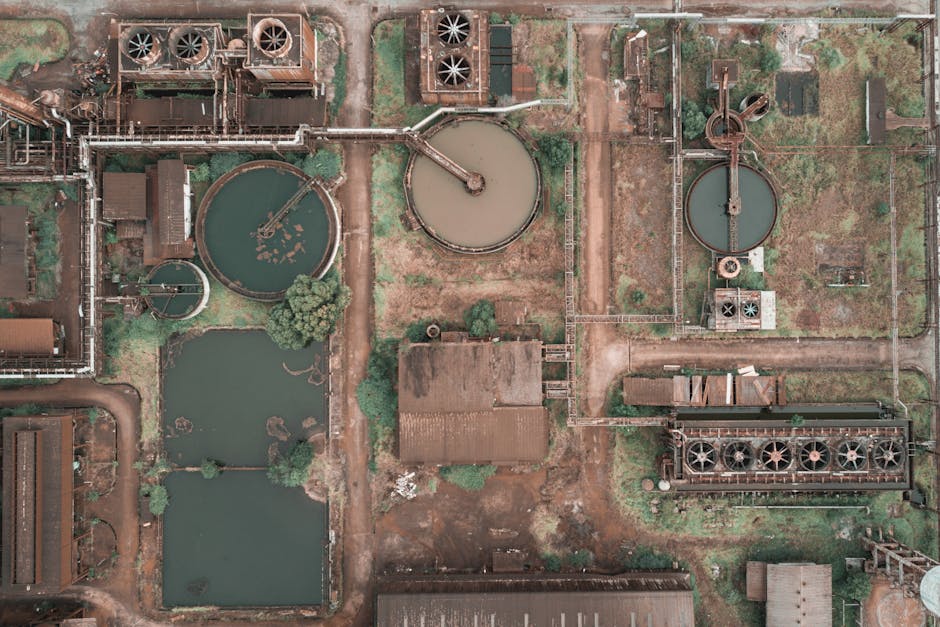
Regular septic tank cleaning is vital for several reasons. First and foremost, it prevents the buildup of solid waste, which can lead to clogs and system failure. According to the Environmental Protection Agency (EPA), failing septic systems can contaminate groundwater and pose health risks to humans and wildlife.
Moreover, routine cleaning extends the life of your septic system. A well-maintained septic tank can last up to 30 years or more, while a neglected system may fail within a decade. In addition, regular cleaning can save homeowners money by preventing major repairs and replacements.
How Often Should You Clean Your Septic Tank?
The frequency of septic tank cleaning depends on several factors, including the tank’s size, the number of occupants in the home, and the amount of wastewater generated. As a general rule, septic tanks should be pumped every 3 to 5 years. However, larger households or those with high water usage may require more frequent cleaning.
To determine the optimal cleaning schedule for your septic tank, consider the following:
- The size of your septic tank.
- The number of people living in your household.
- The volume of water used daily.
- Any previous issues with the septic system.
Consulting with a professional can also provide tailored recommendations for your specific needs.
The Septic Tank Cleaning Process
The cleaning process for septic tanks typically involves several steps. The first step is to locate the access point of the tank, which usually requires a professional. Once the access point is found, the technician will use a vacuum truck to pump out the sludge and scum from the tank.
After pumping, the technician will inspect the tank for any signs of damage or wear. This inspection may include checking the baffles and the inlet and outlet pipes. If any issues are found, they can be addressed immediately, preventing further complications.
Finally, the technician will refill the tank with water to ensure it is ready for use. It’s important to note that septic systems should not be overloaded with water immediately after cleaning. A gradual return to normal water usage is recommended to allow the system to stabilize.
Tips for Maintaining Your Septic System
In addition to regular cleaning, several maintenance practices can help keep your septic system in good condition. One of the most important is to be mindful of what goes down the drain. Avoid flushing non-biodegradable items, such as wipes or feminine hygiene products, as they can clog the system.
Another tip is to limit the use of harsh chemicals, which can disrupt the beneficial bacteria in the tank that break down waste. Instead, opt for natural cleaning products whenever possible.
Lastly, regular inspections and maintenance checks by a professional can catch potential issues early, ensuring your septic system functions optimally. For comprehensive septic maintenance, consider establishing a relationship with a trusted local service provider.
Conclusion
Septic tank cleaning is an essential aspect of maintaining a healthy and efficient wastewater management system. By understanding the importance of regular cleaning, adhering to recommended schedules, and following best practices for maintenance, homeowners can avoid costly repairs and ensure their septic systems function effectively. Investing time and resources into septic tank cleaning not only protects your home but also contributes to a healthier environment.