
In the world of shipping and logistics, cargo insurance plays a vital role in safeguarding the interests of businesses and individuals alike. As the global economy continues to expand, the movement of goods across borders has become more frequent and complex. This increase in trade activity brings with it a heightened risk of loss or damage to valuable shipments. Therefore, understanding the nuances of cargo insurance is essential for anyone involved in the shipping industry.
The Importance of Cargo Insurance
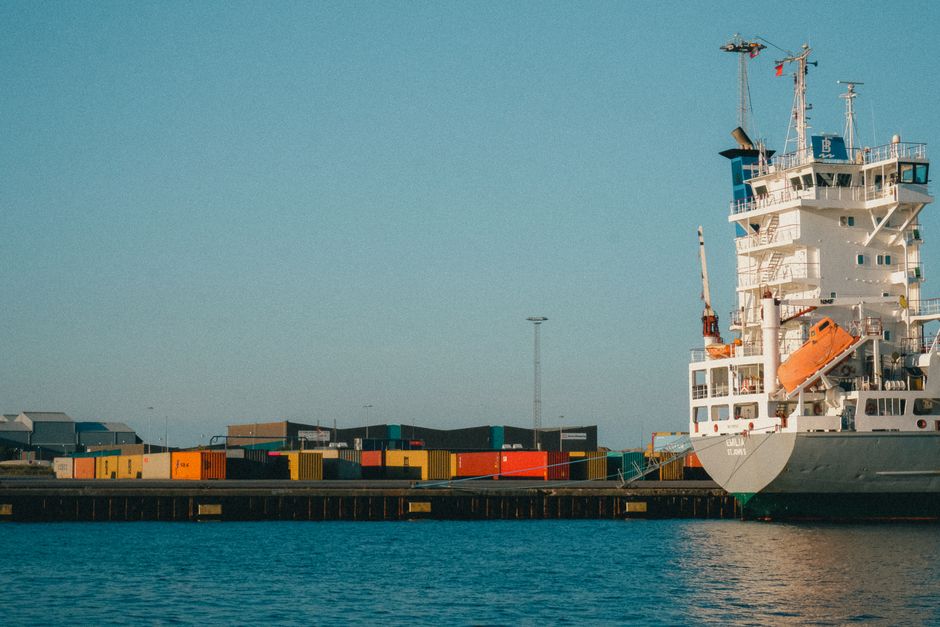
Cargo insurance provides financial protection against potential losses that may occur during the transportation of goods. Whether it’s due to theft, damage, or catastrophic events like natural disasters, having cargo insurance can mitigate the financial impact on businesses. In fact, studies have shown that companies that invest in cargo insurance often experience fewer disruptions and losses in their supply chains.
For example, a recent analysis indicated that businesses without cargo insurance faced a 30% higher risk of financial loss due to shipping incidents. This statistic underscores the importance of securing adequate coverage before sending valuable shipments.
Types of Cargo Insurance Coverage
There are several types of cargo insurance policies available, each designed to cater to different shipping needs. Understanding these options can help businesses choose the right coverage for their specific requirements. The most common types include:
- All-Risk Coverage: This policy offers the broadest protection, covering all risks of loss or damage unless specifically excluded.
- Named Perils Coverage: This type of policy covers only specific risks that are explicitly listed in the policy, such as fire, theft, or collision.
- General Average Coverage: In maritime shipping, this coverage protects against losses incurred when cargo must be sacrificed to save the vessel.
By understanding these different types of coverage, businesses can make informed decisions about the best options for their shipments.
How to Choose the Right Cargo Insurance Policy
Selecting the right cargo insurance policy involves several critical considerations. First and foremost, businesses should assess the value of the goods being shipped. Higher-value shipments may require more comprehensive coverage to ensure full protection.
Next, businesses should consider the mode of transportation. Different carriers and shipping methods may have varying risks associated with them. For instance, air freight may present different risks compared to ocean freight, and this should be reflected in the insurance policy.
Finally, working with a knowledgeable insurance broker can provide valuable insights into the best options available. They can help navigate the complexities of cargo insurance and tailor coverage to meet specific needs.
Common Exclusions in Cargo Insurance Policies
While cargo insurance is designed to protect against various risks, it is essential to be aware of common exclusions that may apply. Many policies do not cover:
- Wear and tear or inherent vice of the goods
- Losses arising from improper packing or handling
- Damage due to delay or loss of market
Understanding these exclusions can help businesses manage their expectations and take proactive measures to minimize risks. For instance, ensuring that goods are packed according to industry standards can prevent claims from being denied due to improper handling.
Conclusion: The Necessity of Cargo Insurance in Today’s Shipping Landscape
In conclusion, cargo insurance is not just an optional expense for businesses involved in shipping. It is a critical component of risk management that provides peace of mind and financial protection. As the shipping landscape continues to evolve, securing the right cargo insurance policy has never been more important. By understanding the various types of coverage, how to choose the right policy, and the common exclusions, businesses can better protect their assets and ensure smooth operations.