
In an ever-evolving world, education stands at the forefront of change, adapting to new technologies and societal needs. The landscape of learning is shifting dramatically, fueled by advancements in technology, changes in pedagogical approaches, and a growing emphasis on lifelong learning. This article explores the critical trends and innovations that are shaping the future of education, providing insights into how these developments are creating more engaging and effective learning environments.
The Rise of Online Learning
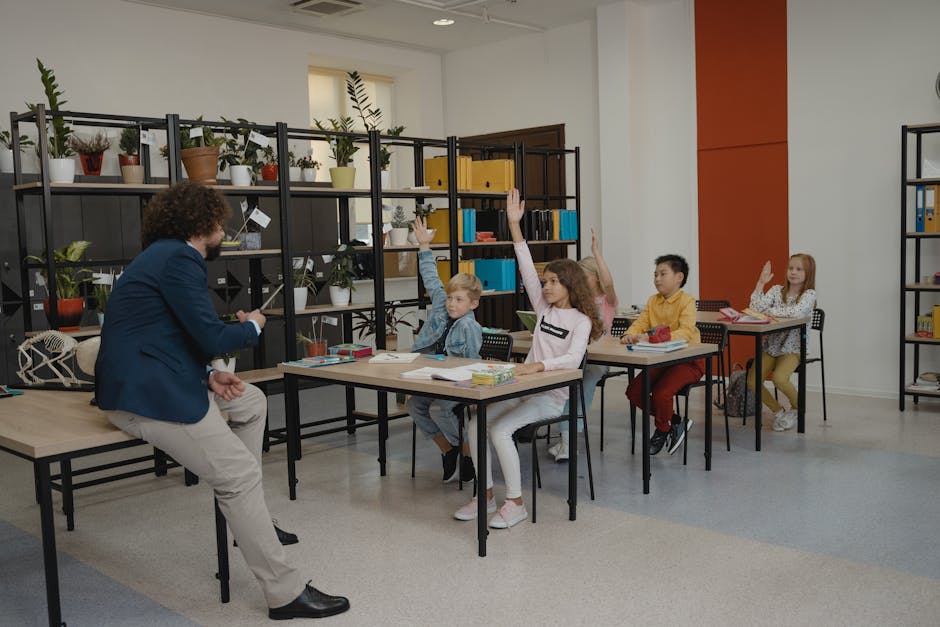
The digital transformation has revolutionized education, with online learning becoming increasingly popular. Remote learning platforms have made it possible for students to access quality education from anywhere in the world. According to a report by the Online Learning Consortium, enrollment in online courses has increased by over 150% in the last decade. This surge is driven by the flexibility and accessibility that online education offers, catering to diverse learning styles and schedules.
Moreover, the COVID-19 pandemic accelerated the adoption of online learning, forcing educational institutions to pivot to virtual classrooms. Educators have had to adapt their teaching methods, integrating interactive tools and resources to enhance student engagement. This shift has not only broadened access to education but has also sparked discussions about the effectiveness of online versus traditional learning environments.
In this context, various platforms have emerged, providing a wide range of courses. For example, platforms like Coursera and Udemy have democratized education, allowing individuals to learn at their own pace. However, the challenge remains to ensure that online learning maintains high standards of quality and interaction, essential for effective learning outcomes.
Personalized Learning Experiences
Personalized learning represents a significant shift from traditional one-size-fits-all teaching approaches. By leveraging data analytics and artificial intelligence, educators can tailor learning experiences to meet individual student needs. This approach enhances student motivation and achievement, as it allows learners to progress at their own pace and focus on areas where they require more support.
For instance, adaptive learning technologies can assess a student’s understanding in real-time and adjust the curriculum accordingly. This kind of personalized instruction encourages students to take ownership of their learning, fostering a deeper connection with the material. Moreover, research from the Bill & Melinda Gates Foundation indicates that personalized learning can lead to significant gains in student performance, particularly among at-risk populations.
However, implementing personalized learning systems requires professional development for educators and robust technological infrastructure. Schools must invest in training teachers to effectively utilize these tools and ensure that all students have access to the necessary technology.
Emphasis on Social-Emotional Learning
As the understanding of education evolves, there is a growing recognition of the importance of social-emotional learning (SEL). SEL focuses on developing skills such as emotional regulation, empathy, and interpersonal communication, which are crucial for students’ overall well-being and success. Schools are increasingly integrating SEL into their curricula to foster a supportive learning environment.
A study by the Collaborative for Academic, Social, and Emotional Learning (CASEL) found that students who participate in SEL programs exhibit improved academic performance and better behavior in school. This focus on holistic education acknowledges that learning is not just about academic achievement but also about nurturing well-rounded individuals.
Furthermore, educators are encouraged to create safe spaces where students can express their emotions and learn to collaborate effectively with their peers. This approach not only benefits students academically but also prepares them for the complexities of life beyond school.
Integrating Technology in the Classroom
Technology integration in education is no longer optional; it is a necessity. From interactive whiteboards to virtual reality simulations, technology is transforming how educators teach and students learn. The use of educational technology can enhance engagement, provide instant feedback, and facilitate collaboration among students.
For example, gamification in education has proven to be an effective strategy for increasing student motivation. By incorporating game-like elements into lessons, educators can create a dynamic learning environment that encourages participation and persistence. Statistics show that students who engage in gamified learning experiences tend to outperform their peers in traditional settings.
However, the effective integration of technology requires careful planning and professional development. Educators must be equipped with the knowledge and skills to use these tools effectively, ensuring that technology enhances rather than detracts from the learning experience. Schools also need to address issues of digital equity, ensuring that all students have access to the necessary devices and internet connectivity.
Conclusion
The future of education is bright, characterized by innovative trends and practices that prioritize accessibility, personalization, and holistic development. As we navigate these changes, it is essential to embrace the opportunities that technology and new pedagogical approaches present. By focusing on the needs of individual learners and fostering a supportive environment, we can cultivate a generation of learners who are not only academically proficient but also emotionally resilient and socially responsible. As we look ahead, continuous adaptation and improvement will be key to ensuring that education remains relevant and impactful in an ever-changing world. For those interested in exploring further, educational resources like toto togel can offer valuable insights into the evolving landscape of education.