
The toy industry has always been a vibrant and dynamic sector, with children toy manufacturers playing a pivotal role in shaping the play experiences of young ones. This article delves into the intricacies of toy manufacturing, highlighting the trends, challenges, and opportunities that define this industry. From safety regulations to innovative designs, understanding the landscape of children’s toys is essential for manufacturers and consumers alike.
The Evolution of Toy Manufacturing
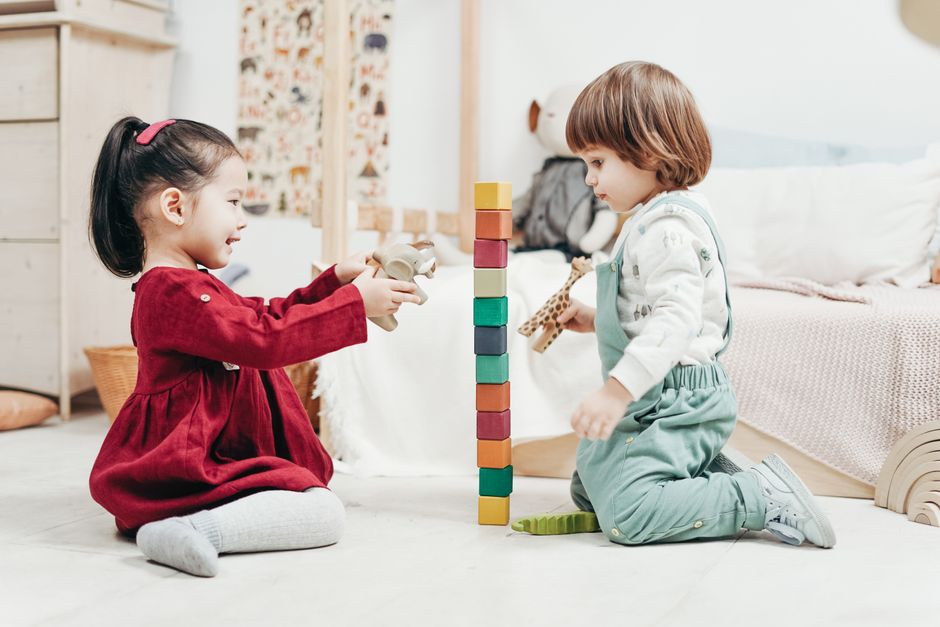
Over the decades, the toy industry has undergone significant transformations. In the past, toys were primarily made from wood, metal, or cloth, but advancements in technology have led to the incorporation of plastics and electronics. According to recent statistics, the global toy market is projected to reach over $120 billion by 2025, with a substantial growth rate attributed to the increasing demand for educational and interactive toys.
Manufacturers today are not just creating toys; they are crafting experiences. The incorporation of technology into toys, such as app-enabled devices and interactive features, has changed how children engage with their playthings. Companies are now focusing on creating toys that not only entertain but also educate, ensuring that they meet the evolving needs of parents and children.
Safety Standards and Regulations
One of the most critical aspects of children toy manufacturing is safety. Governments worldwide have established stringent regulations to ensure that toys are safe for children. In the United States, the Consumer Product Safety Commission (CPSC) sets safety standards that manufacturers must adhere to. These regulations cover everything from the materials used to the design and age recommendations for toys.
Manufacturers must conduct rigorous testing to comply with these safety standards. This often involves third-party testing labs that evaluate toys for potential hazards such as choking risks, toxic materials, and sharp edges. The commitment to safety not only protects children but also enhances a brand’s reputation, making it essential for children toy manufacturers to prioritize compliance.
Innovative Trends in Toy Design
The design of children’s toys has evolved to reflect contemporary trends and societal values. Sustainability has become a significant focus, with many manufacturers opting for eco-friendly materials and production methods. For instance, toys made from recycled plastics or sustainably sourced wood are increasingly popular among environmentally conscious consumers.
Moreover, the rise of inclusivity in toy design has led to the creation of products that represent diverse cultures, abilities, and lifestyles. Companies are now producing dolls and action figures that reflect a wider range of ethnicities and body types, promoting acceptance and diversity among children. This trend not only meets consumer demand but also contributes to a more inclusive society.
The Role of Technology in Toy Manufacturing
Technology plays a crucial role in the modern toy industry, influencing both manufacturing processes and the final product. Advanced manufacturing techniques, such as 3D printing, allow for rapid prototyping and customization of toys. This flexibility enables manufacturers to experiment with new designs and respond quickly to market trends.
Additionally, the integration of technology into toys, such as robotics and augmented reality, has created a new category of interactive play experiences. Toys that connect to smartphones or tablets are gaining popularity, as they provide children with engaging and educational content that complements traditional play. As a result, children toy manufacturers are increasingly looking to partner with tech companies to enhance their product offerings.
Challenges Facing the Toy Industry
Despite the exciting opportunities in the toy industry, manufacturers face several challenges. One of the most pressing issues is the impact of global supply chain disruptions, which can lead to delays in production and increased costs. The COVID-19 pandemic has highlighted vulnerabilities in the supply chain, forcing companies to rethink their sourcing strategies and logistics.
Moreover, competition in the toy market is fierce, with numerous brands vying for consumer attention. Differentiating products through innovative designs and effective marketing is crucial for success. Manufacturers must also stay attuned to changing consumer preferences and trends, ensuring that their products remain relevant in a fast-paced market.
Conclusion
In conclusion, the landscape of children toy manufacturing is complex and ever-evolving. Manufacturers must navigate safety regulations, embrace innovation, and respond to consumer demands to thrive in this competitive industry. As we look to the future, the commitment to creating safe, engaging, and inclusive toys will continue to be a driving force in shaping the experiences of children around the world. For those interested in exploring the world of toy manufacturing, resources such as children toy manufacturer websites can provide valuable insights and connections.