
The interior design of a restaurant plays a crucial role in shaping the dining experience. It not only reflects the restaurant’s identity but also influences customer behavior and satisfaction. A carefully curated space can enhance the overall ambiance, encouraging patrons to linger longer and return frequently. In this article, we explore the key elements of restaurant interior design, offering insights and practical tips for creating an inviting and memorable environment.
Understanding the Importance of Interior Design
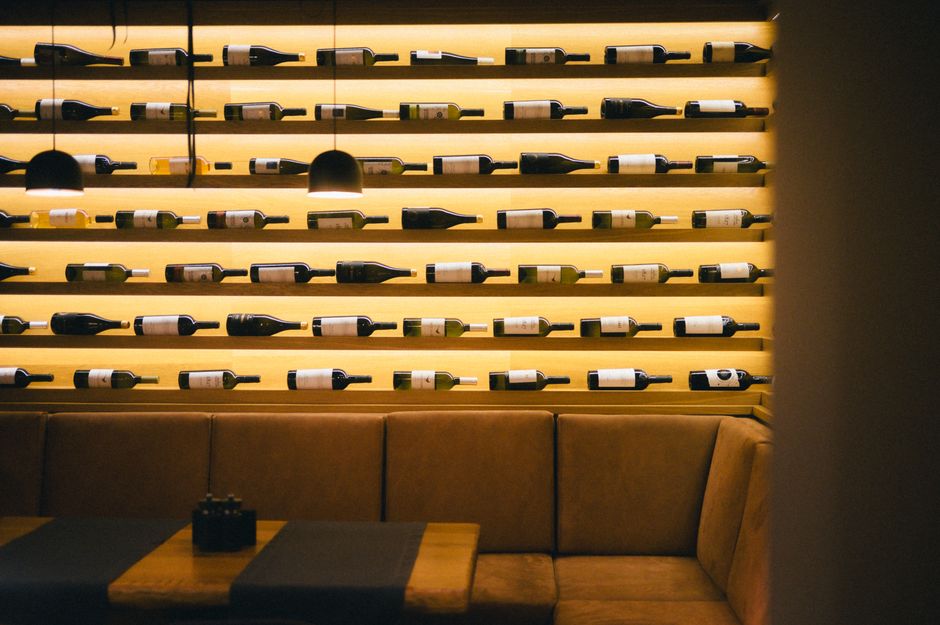
Restaurant interior design is more than just aesthetics; it is a strategic element that can drive business success. According to a study by the National Restaurant Association, over 60% of diners say they would return to a restaurant based on its atmosphere alone. This statistic underscores the need for thoughtful design that resonates with the target audience.
Moreover, the interior design directly affects customer engagement. Elements such as lighting, color schemes, and furniture layout can either facilitate or hinder interactions among diners. For example, intimate lighting can create a cozy atmosphere for couples, while bright, vibrant colors might be more suitable for a family-friendly diner.
Key Elements of Restaurant Interior Design
When designing a restaurant, several key elements should be considered:
- Color Schemes: The choice of colors can evoke specific emotions and set the tone for the dining experience. Warm colors like red and orange can stimulate appetite, while cooler tones can create a calming effect.
- Lighting: Proper lighting is essential for enhancing the overall ambiance. Natural light can make a space feel more open, while dim lighting can create an intimate setting. Adjustable lighting options can allow for different moods throughout the day.
- Furniture: The selection of furniture impacts not only the aesthetic but also the comfort of diners. Ergonomic seating can enhance the dining experience, encouraging guests to stay longer and order more.
Each of these elements plays a vital role in shaping the restaurant’s identity and influencing customer behavior.
Incorporating Branding into Design
Successful restaurant interior design should seamlessly incorporate branding elements. This includes using logo colors in decor, displaying brand-related artwork, and even incorporating brand stories into the design narrative. For instance, a farm-to-table restaurant might use reclaimed wood and rustic decor to highlight its commitment to sustainability.
Additionally, the layout can reflect the brand’s ethos. An open kitchen design can convey transparency and trust, while private dining areas might emphasize exclusivity. Each design choice should articulate the restaurant’s values and mission
Trends in Restaurant Interior Design
The restaurant industry is constantly evolving, and so are the trends in interior design. Some current trends include:
- Sustainable Design: Many restaurants are prioritizing eco-friendly materials and energy-efficient solutions. This not only appeals to environmentally conscious consumers but can also reduce operational costs.
- Biophilic Design: Incorporating natural elements, such as plants and natural materials, is gaining popularity. This design approach can enhance well-being and create a more inviting atmosphere.
- Technology Integration: With the rise of mobile ordering and payment systems, integrating technology into the design can improve efficiency and enhance the customer experience.
Staying updated with these trends can help restaurant owners keep their spaces relevant and appealing to modern diners.
Practical Tips for Designing Your Restaurant
Here are some practical tips for restaurant owners looking to enhance their interior design:
- Evaluate Your Target Audience: Understand the preferences and expectations of your target demographic. This can guide your design choices to ensure they resonate with your clientele.
- Be Mindful of Layout: Create a layout that facilitates movement and enhances the dining experience. Avoid overcrowding and ensure that there is a clear flow from entrance to exit.
- Use Professional Help: If budget permits, consider hiring a professional interior designer who specializes in restaurant design. Their expertise can help you avoid common pitfalls and achieve a cohesive look.
By implementing these tips, restaurant owners can create an environment that not only attracts customers but also keeps them coming back for more.
Conclusion
In conclusion, restaurant interior design is a multifaceted aspect that significantly impacts the dining experience. By understanding the importance of design elements, incorporating branding, staying updated with trends, and implementing practical tips, restaurant owners can create inviting and memorable spaces. Ultimately, the right interior design can lead to increased customer satisfaction and loyalty, driving long-term success. For those interested in advancing their knowledge of restaurant interior design, exploring professional resources and case studies can provide further insights and inspiration.