
In recent years, the luxury brand reseller market has witnessed a remarkable transformation, driven by both consumer demand and technological advancements. This trend is not merely a passing fad; it represents a significant shift in how people perceive luxury goods and their accessibility. With the rise of online platforms and a growing community of fashion enthusiasts, the luxury resale market is becoming increasingly popular.
The Growth of the Luxury Resale Market
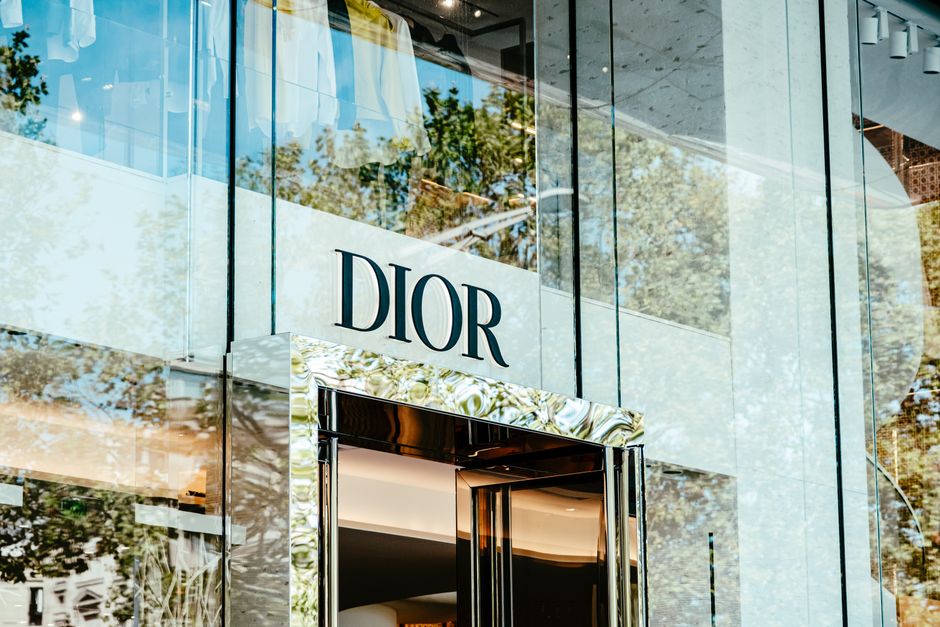
The luxury resale market has been growing at an astounding rate, with estimates suggesting it will reach $64 billion by 2024. This growth can be attributed to several factors, including the rise of sustainability and the increasing acceptance of second-hand goods. Consumers today are more conscious of their purchasing decisions and are often looking for ways to minimize their environmental impact. Reselling luxury items not only offers consumers a chance to own high-end products but also promotes a more sustainable fashion cycle.
According to a report by ThredUp, the resale market is projected to grow 11 times faster than the traditional retail market over the next five years. This statistic highlights the shift in consumer behavior, as more individuals are willing to buy pre-owned luxury items instead of new ones. The market is becoming saturated with platforms that cater specifically to luxury brand resellers, allowing sellers and buyers to connect easily.
Benefits of Buying from Luxury Brand Resellers
One of the primary benefits of purchasing from luxury brand resellers is the potential for significant savings. Many resellers offer luxury items at prices that are considerably lower than retail, making high-end products more accessible to a wider audience. For example, a designer handbag that retails for $3,000 may be found for $1,800 on a resale platform. This price difference can be substantial, especially for items that retain their value over time.
Moreover, buying from luxury brand resellers often means gaining access to rare or discontinued items that are no longer available in traditional retail settings. Collectors and fashion enthusiasts alike appreciate the opportunity to find unique pieces that can help them stand out in a crowd. Additionally, the authenticity guarantee provided by reputable resellers ensures that buyers can shop with confidence, knowing they are purchasing genuine products.
The Role of Technology in Reselling
Technology plays a crucial role in the rapid growth of the luxury brand reseller market. Online platforms such as The RealReal, Vestiaire Collective, and Poshmark have revolutionized how consumers buy and sell luxury goods. These platforms provide user-friendly interfaces, allowing individuals to list their items for sale easily. Some platforms also utilize artificial intelligence to authenticate items, ensuring buyers receive genuine luxury products.
Furthermore, social media platforms are becoming powerful tools for resellers to promote their products. Instagram and TikTok, for example, have become popular channels for showcasing luxury items, with influencers and everyday users alike sharing their fashion finds and resale experiences. This social media presence not only increases visibility for resellers but also builds a community of like-minded individuals passionate about fashion and sustainability.
Challenges Faced by Luxury Brand Resellers
While the luxury brand reseller market offers numerous opportunities, it also poses challenges for those looking to enter the space. One significant challenge is the competition among resellers. With the influx of new sellers on various platforms, standing out can be difficult. Resellers must develop a unique selling proposition that differentiates them from others in the market.
Another challenge is the risk of counterfeit products. Despite advances in authentication technology, counterfeit luxury goods continue to be a concern for buyers. Resellers must be vigilant in ensuring that the items they sell are genuine, which may require additional resources and knowledge about the brands and products they handle.
Conclusion
The luxury brand reseller market is undeniably on the rise, presenting both opportunities and challenges for sellers and buyers alike. As consumers become more conscious of their purchasing habits and the desire for sustainable fashion grows, the demand for luxury resale will continue to increase. By understanding the benefits of this market and leveraging technology, resellers can carve out a successful niche in the evolving landscape of luxury goods. For those interested in exploring the world of luxury brand reselling, platforms like luxury brand reseller offer a gateway to this exciting and dynamic industry.