
Barbecue is more than just a method of cooking; it is a cultural phenomenon that brings people together. From backyard gatherings to competitive cook-offs, the art of barbecue has evolved over centuries and varies greatly across different regions. This comprehensive guide will explore the various techniques, tips, and traditions associated with barbecue, allowing enthusiasts to elevate their grilling game.
Understanding the Different Barbecue Styles
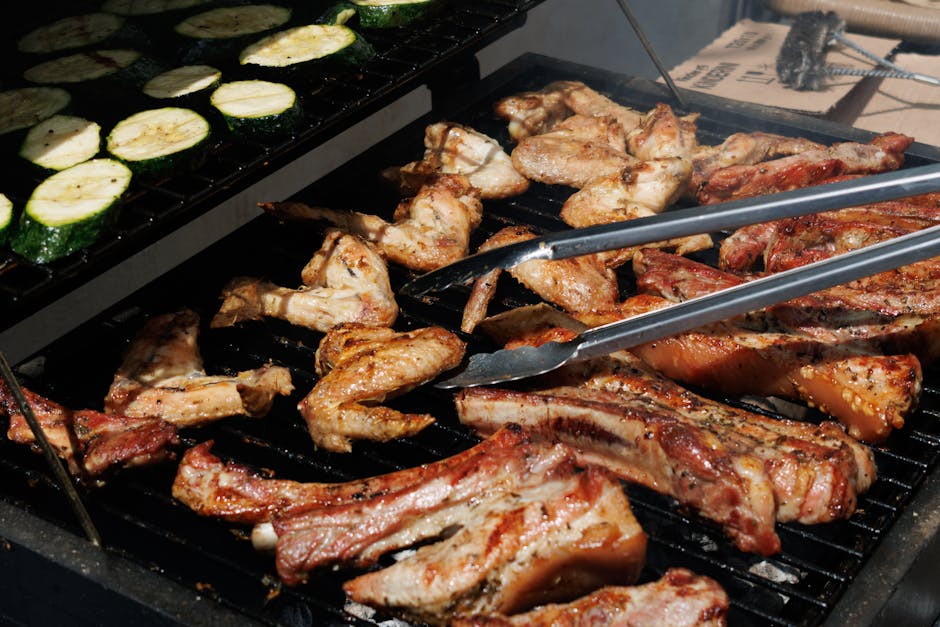
Barbecue styles differ significantly across the United States, each with its unique flavors and cooking methods. For instance, Texas barbecue is known for its brisket, typically cooked low and slow over oak or mesquite wood. In contrast, Kansas City barbecue offers a diverse array of meats, including ribs and burnt ends, often slathered in a sweet tomato-based sauce.
In the Carolinas, barbecue enthusiasts swear by their pulled pork, which is traditionally cooked with a vinegar-based sauce that enhances the meat’s flavor. These regional distinctions highlight how local ingredients and cultural influences shape barbecue practices. Each style not only reflects the local palate but also tells a story of the community’s heritage.
For those looking to explore these various styles, joining local barbecue festivals or competitions can provide invaluable insights. For example, the American Royal World Series of Barbecue in Kansas City attracts thousands of participants and spectators each year, showcasing the creativity and skill of barbecue aficionados.
Essential Barbecue Techniques
Mastering barbecue requires a solid understanding of various cooking techniques. The two primary methods are direct grilling and indirect grilling. Direct grilling involves cooking food over high heat, ideal for quick-cooking items like burgers and hot dogs. In contrast, indirect grilling involves placing the food away from the heat source, allowing for longer cooking times and is perfect for larger cuts of meat.
Another important technique is smoking, which infuses food with rich flavors. This process involves using wood chips or chunks, which are placed in a smoker or a grill set to a low temperature. Different types of wood, such as hickory, cherry, or apple, can impart unique flavors to the meat. For instance, hickory is known for its strong, smoky flavor, making it an excellent choice for beef.
Temperature control is crucial in barbecue. Using a reliable meat thermometer ensures that meat reaches the desired internal temperature. For example, pork shoulder should be cooked to an internal temperature of 195°F to 205°F for optimal tenderness. Understanding these temperatures will help prevent undercooking or overcooking, leading to better results.
Choosing the Right Equipment
The equipment you use can significantly impact your barbecue results. A quality grill or smoker is essential for achieving the desired flavor and texture. There are various options available, including charcoal grills, gas grills, and electric smokers. Each has its advantages and disadvantages.
Charcoal grills are favored for their ability to produce high heat and impart a distinct smoky flavor. However, they require more time and effort to maintain the right temperature. On the other hand, gas grills offer convenience and precise temperature control but may not provide the same depth of flavor as charcoal.
Investing in accessories like a good set of grilling tools, a meat thermometer, and a smoker box can significantly enhance your barbecue experience. Additionally, exploring the world of barbecue rubs and sauces can elevate the flavors of your dishes. Experimenting with different combinations can lead to discovering your signature barbecue flavor.
Barbecue Safety Tips
When it comes to barbecue, safety should always be a priority. Maintaining proper food safety practices helps ensure that your outdoor cooking experience is enjoyable and safe. First, it’s essential to keep raw meat separate from other foods to prevent cross-contamination.
Additionally, marinating meat in the refrigerator rather than at room temperature can help reduce the risk of bacterial growth. Always use a meat thermometer to check the internal temperature of cooked meats to ensure they are safe to eat.
Lastly, proper cleanup after grilling is crucial. Make sure to clean your grill grates and utensils to avoid any lingering bacteria. By following these safety tips, you can focus on enjoying the process of grilling without worrying about foodborne illnesses.
Exploring Barbecue Traditions
Barbecue is steeped in tradition, with many cultures celebrating it as a communal activity. For example, in many Southern states, barbecue is often a centerpiece for gatherings, family reunions, and celebrations. The act of cooking and sharing food fosters a sense of community and connection among participants.
In addition to social gatherings, barbecue competitions have gained immense popularity. Events like the Memphis in May World Championship Barbecue Cooking Contest attract teams from all over the world, showcasing their skills and competing for coveted titles. These competitions not only highlight culinary prowess but also serve as a platform for camaraderie and friendship among barbecue enthusiasts.
Furthermore, barbecue has made its way into popular culture, inspiring cookbooks, television shows, and even documentaries. Learning about these cultural aspects can deepen your appreciation for barbecue as an art form.
Conclusion
Barbecue is a multifaceted activity that encompasses various techniques, styles, and traditions. Whether you’re a seasoned pitmaster or a novice griller, understanding these elements can enhance your barbecue experience. By exploring different regional styles, mastering essential techniques, investing in the right equipment, prioritizing safety, and embracing the communal spirit of barbecue, you can create memorable meals that bring people together. For those looking for inspiration or guidance, reaching out to community resources or experts can provide valuable insights. For example, contacting organizations like Zeus can connect you with knowledgeable individuals who can share tips and tricks to improve your barbecue skills.