
The advent of drone technology has revolutionized the way we capture images from above. Aerial drone photography is not just a trend; it’s a powerful tool that has transformed various industries, from real estate to filmmaking. This article delves into the intricacies of aerial drone photography, exploring its benefits, techniques, and applications.
Understanding Aerial Drone Photography
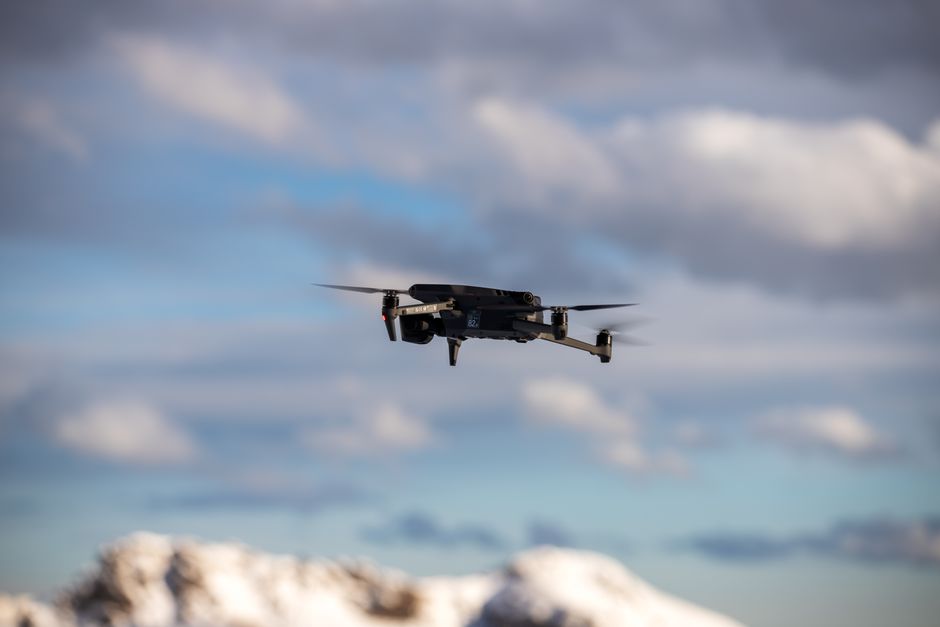
Aerial drone photography involves the use of unmanned aerial vehicles (UAVs) equipped with cameras to capture stunning images and videos from the sky. The technology allows photographers to shoot from angles and heights that were previously impossible or incredibly expensive. Companies are increasingly adopting this technology to enhance their visual content, leading to a surge in demand for skilled drone operators.
According to the Federal Aviation Administration (FAA), the drone industry is expected to grow significantly in the coming years, indicating a bright future for aerial drone photography. This growth is attributed to the declining costs of drones and the increasing accessibility of high-quality camera equipment.
As drone technology improves, so does the quality of aerial photography. Modern drones can capture high-resolution images and videos, often with advanced features like GPS, obstacle avoidance, and even automated flight patterns. This makes it easier for both amateurs and professionals to create breathtaking aerial shots.
Applications of Aerial Drone Photography
Aerial drone photography has diverse applications across various sectors. In real estate, high-quality aerial images can enhance property listings, providing potential buyers with a better perspective of the property and its surroundings. Aerial shots can showcase large estates, highlighting unique features such as gardens, pools, and nearby amenities.
In the film industry, aerial drone photography has become an essential tool for capturing dynamic shots. Many filmmakers rely on drones to create stunning visuals that add depth and excitement to their narratives. For instance, movies like “The Avengers” and “Skyfall” have utilized drone technology to achieve breathtaking aerial sequences.
Moreover, in agriculture, drone photography is used for crop monitoring and management. Farmers can use aerial images to assess crop health, monitor irrigation, and even detect pest infestations. This application of drone technology helps increase efficiency and yields while reducing costs.
Techniques for Capturing Stunning Aerial Photos
To achieve the best results in aerial drone photography, there are several techniques to consider. First, understanding the lighting conditions is paramount. The golden hour, which occurs shortly after sunrise and before sunset, provides soft, diffused light that enhances the beauty of aerial images.
Next, composition plays a crucial role in photography. Utilizing techniques like the rule of thirds can help create more engaging images. By aligning key elements along the lines or at the intersections of the grid, photographers can create a sense of balance and interest.
Additionally, experimenting with different altitudes can yield unique perspectives. A higher vantage point might provide a sweeping view of a landscape, while a lower altitude can capture intricate details. Drones equipped with gimbals can also help stabilize shots, resulting in smoother footage.
Legal Considerations and Safety in Drone Photography
As the popularity of aerial drone photography grows, so do the regulations surrounding it. In many countries, drone operators must adhere to specific guidelines set by aviation authorities, which often include registering the drone, obtaining necessary permits, and following safety protocols.
For instance, in the United States, the FAA requires drone operators to maintain visual line of sight with their drones and to avoid flying over people or moving vehicles. Understanding these laws is essential to avoid hefty fines and ensure safe operations.
Moreover, safety should always be a top priority when operating drones. Pre-flight checks, including battery levels and equipment functionality, are critical. Additionally, being aware of weather conditions and potential obstacles in the flight path can prevent accidents.
Future Trends in Aerial Drone Photography
The future of aerial drone photography looks promising with advancements in technology. Innovations like artificial intelligence (AI) and machine learning are being integrated into drone systems, allowing for automated image capture and processing. This technology could streamline workflows, making it easier for photographers to manage and edit their images.
Furthermore, the rise of social media has created a demand for high-quality aerial content. Platforms like Instagram and YouTube have popularized drone footage, encouraging photographers to explore creative ways to present their work. Aerial photography is not just about capturing images; it’s about storytelling and engaging audiences.
As more people embrace drone technology, the community of aerial photographers will continue to grow. Workshops, online courses, and forums are becoming more accessible, providing aspiring drone operators with the resources they need to improve their skills.
For those interested in pursuing this exciting field, resources are readily available, including websites dedicated to aerial drone photography, offering tips, tutorials, and inspiration.
Conclusion
Aerial drone photography is reshaping the way we view the world from above. With its wide-ranging applications and the potential for stunning visuals, it’s no surprise that this field is rapidly gaining traction. As technology continues to evolve, the possibilities for capturing breathtaking aerial images will only expand. Whether you’re a seasoned professional or a newcomer to the field, embracing aerial drone photography can unlock new creative opportunities and enhance your visual storytelling.