
In today’s world, where aesthetics and functionality go hand in hand, the role of an interior design firm has become increasingly significant. As individuals and businesses seek to create environments that reflect their identity and purpose, professional interior designers are essential in bringing these visions to life. This article explores the multifaceted nature of interior design firms, highlighting their importance, processes, and the impact they have on various spaces.
Understanding the Role of Interior Design Firms
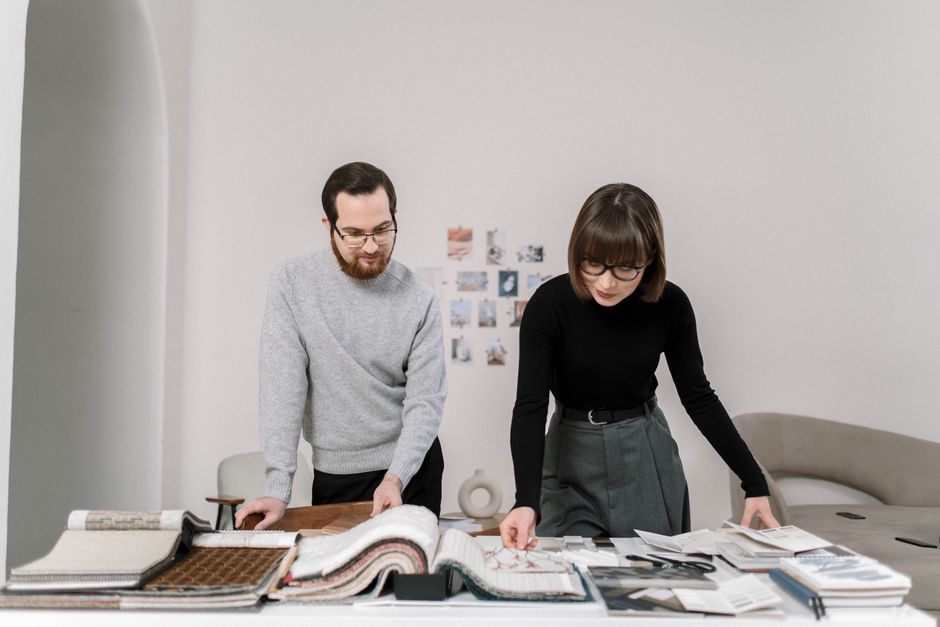
Interior design firms specialize in creating and enhancing interior spaces to achieve a healthier and more aesthetically pleasing environment for the people who use them. They combine elements of architecture, furniture design, color theory, and spatial arrangement to create cohesive and functional spaces. The expertise of an interior design firm goes beyond mere decoration; it involves understanding the client’s needs, the functionality of the space, and the latest design trends.
Moreover, these firms often provide a range of services, from initial consultations to full-scale renovations. They work on residential projects, commercial spaces, and even public institutions, tailoring their approaches to meet the unique requirements of each client. With the growing demand for personalized spaces, the influence of interior design firms has never been more pronounced.
The Design Process: From Concept to Completion
The journey of transforming a space typically begins with a thorough consultation. During this phase, the interior design firm assesses the existing space, discusses the client’s vision, and establishes a budget. This collaborative approach ensures that the design reflects the client’s personality and preferences.
Once the initial consultation is complete, the firm moves on to conceptual design. This involves creating mood boards, sketches, and 3D renderings to visualize the proposed design. For instance, a firm might present various color palettes and furniture options to help clients envision their future space. By incorporating feedback, designers refine their concepts before proceeding to the final design phase.
The last stage is the implementation, where the design is brought to life through construction, installation, and decoration. This is where the expertise of the interior design firm truly shines, as they coordinate with contractors, suppliers, and artisans to ensure that every detail aligns with the vision. For those considering a project, partnering with an interior design firm can simplify this complex process, ensuring that the result is both beautiful and functional.
Case Studies: Successful Projects by Interior Design Firms
Several interior design firms have made a significant impact with their innovative projects. For instance, the renowned firm Gensler has transformed countless corporate offices into collaborative environments that foster creativity and productivity. Their approach often includes open floor plans, natural lighting, and the use of sustainable materials, reflecting the growing trend towards environmentally friendly design.
In the residential sector, firms like Kelly Wearstler have redefined luxury living. Their projects often feature bold colors, unique textures, and an eclectic mix of contemporary and vintage elements, appealing to clients looking for a distinctive style. Such examples highlight how interior design firms can adapt their strategies to meet diverse client demands while setting new trends in the industry.
The Economic Impact of Interior Design Firms
The interior design industry is not just about aesthetics; it also has substantial economic implications. According to the U.S. Bureau of Labor Statistics, employment for interior designers is projected to grow by 4% from 2019 to 2029, which is in line with the increasing demand for design services. Furthermore, well-designed spaces can enhance property values significantly, providing a return on investment for property owners.
Moreover, the collaboration between interior design firms and other industries—such as real estate, construction, and hospitality—creates jobs and stimulates economic growth. For instance, a well-executed design in a commercial building can attract more tenants, benefiting landlords and contributing to the local economy.
Future Trends in Interior Design
As we move forward, several trends are shaping the future of interior design. Sustainability remains a primary focus, with firms increasingly prioritizing eco-friendly materials and energy-efficient designs. Additionally, the rise of smart technology is influencing how spaces are designed and utilized. Interior designers are now incorporating smart home features, optimizing both convenience and energy efficiency.
Furthermore, the COVID-19 pandemic has shifted priorities, leading to a demand for flexible spaces that can adapt to various needs, such as remote work and social gatherings. Interior design firms are responding to these changes by creating multifunctional spaces that enhance the quality of life for their users.
Conclusion
In conclusion, the role of an interior design firm is pivotal in shaping our environments, whether at home or in the workplace. Through their expertise and creativity, they enhance not only the aesthetics of a space but also its functionality and emotional impact. As we continue to navigate changing needs and preferences, the contribution of interior design firms will be essential in creating spaces that inspire and support our daily lives.