
In the competitive world of the restaurant industry, the interior design of a restaurant plays a pivotal role in attracting and retaining customers. A well-thought-out interior not only enhances the dining experience but also reflects the restaurant’s brand and ethos. This article delves into the essential elements of restaurant interior design, exploring how various aspects can create a memorable atmosphere for patrons.
The Importance of First Impressions
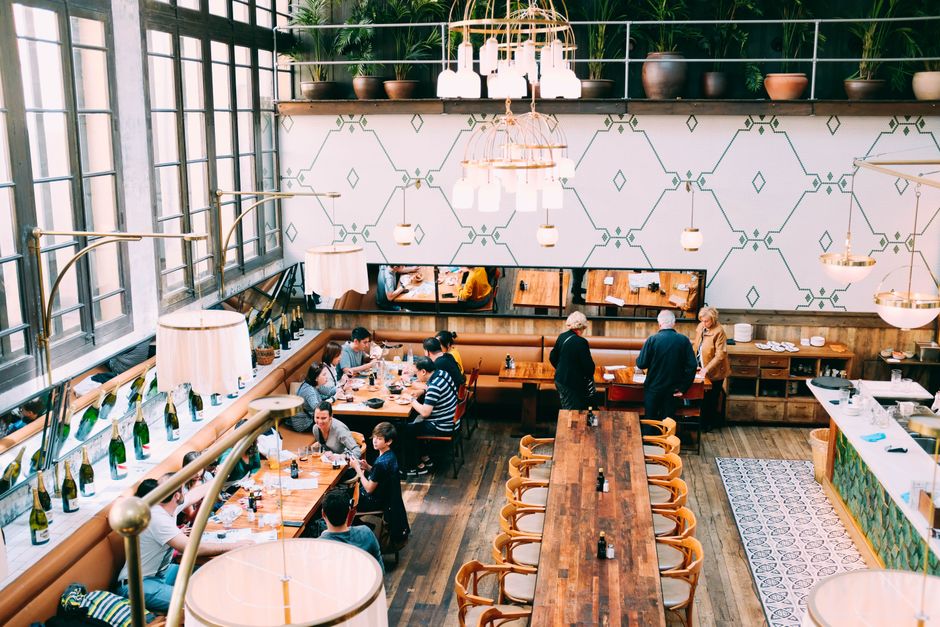
First impressions matter significantly in the restaurant business. When customers enter a restaurant, the decor, layout, and overall ambiance set the tone for their dining experience. Research indicates that establishments with aesthetically pleasing interiors can see an increase in customer satisfaction by up to 40%. A well-designed space invites customers to linger longer, increasing the likelihood of repeat visits.
Consider the case of a fine dining restaurant that utilizes warm lighting, elegant furnishings, and soft music. Such elements create a welcoming environment that encourages diners to relax and enjoy their meals. In contrast, a fast-food outlet may opt for vibrant colors and dynamic layouts to convey energy and speed, aligning with its brand identity.
Design Elements That Enhance Experience
Several key design elements contribute to the overall experience of dining in a restaurant. These include lighting, furniture, color schemes, and layout. Each of these aspects plays a crucial role in establishing the desired mood and functionality of the space.
Lighting is perhaps the most critical element in setting the ambiance. Soft, warm lighting can create an intimate and cozy atmosphere, while bright, white lights may be more suitable for casual dining experiences. Additionally, incorporating natural light through large windows can enhance the dining experience by connecting patrons with the outside world.
Furniture selection is equally important. The choice of tables and chairs should not only complement the restaurant’s theme but also ensure comfort for guests. For instance, a bistro-style restaurant may opt for small tables with wooden chairs to create a casual, inviting environment, while a high-end establishment might choose plush seating and larger tables for a more upscale feel.
Color Psychology in Restaurant Design
The colors used in a restaurant can significantly impact diners’ emotions and behaviors. This concept, known as color psychology, suggests that different hues can evoke specific feelings and reactions. For example, warm colors such as red and orange can stimulate appetite and encourage social interaction, making them popular choices in restaurant design.
Conversely, cool colors like blue and green are often associated with calmness and relaxation. While these colors may not be as effective in stimulating appetite, they can be ideal for establishments aiming to provide a serene dining experience. Understanding color psychology allows restaurant owners to make informed decisions that align with their brand identity and customer expectations.
The Role of Layout in Customer Flow
The layout of a restaurant is crucial for ensuring smooth customer flow and maximizing space efficiency. A well-planned layout not only enhances the dining experience but also facilitates effective service. Open floor plans can create an inviting atmosphere, while designated sections for different dining experiences can cater to various customer preferences.
For instance, a restaurant may include a bar area for casual diners, a family section for larger groups, and a quiet corner for couples. This zoning allows for better management of customer flow and ensures that all guests feel comfortable regardless of their dining choices.
Moreover, incorporating elements such as booth seating can create a sense of privacy while still allowing for a social atmosphere. Utilizing dividers or plants can further enhance the spatial experience without compromising on openness.
Adapting to Trends and Customer Preferences
As consumer preferences evolve, so too must restaurant interior design. Staying attuned to current trends is essential for maintaining relevance in a competitive market. For example, the rise of sustainability has led many restaurants to incorporate eco-friendly materials and practices into their designs.
Additionally, the trend towards experiential dining has prompted restaurants to create unique environments that offer more than just a meal. Interactive elements, such as open kitchens or themed decor, can enhance the dining experience and create memorable moments for guests.
Ultimately, understanding and adapting to these trends can help restaurant owners create spaces that resonate with their target audience and foster loyalty. Collaborating with professionals in restaurant interior design can provide valuable insights and innovative ideas to elevate the dining experience.
Conclusion
Restaurant interior design is a multifaceted discipline that goes beyond aesthetics; it plays a fundamental role in shaping the dining experience. From creating inviting atmospheres to utilizing color psychology and effective layouts, every element contributes to the overall ambiance. By prioritizing thoughtful design and staying in tune with consumer trends, restaurant owners can create spaces that not only attract customers but also keep them coming back for more.