
The ambiance of a restaurant plays a crucial role in shaping the dining experience. It is not merely about food; the interior design can evoke emotions, stimulate conversation, and even influence a customer’s choice to return. As the restaurant industry becomes increasingly competitive, understanding the principles of effective restaurant interior design is essential for success.
Understanding the Importance of Restaurant Interior Design
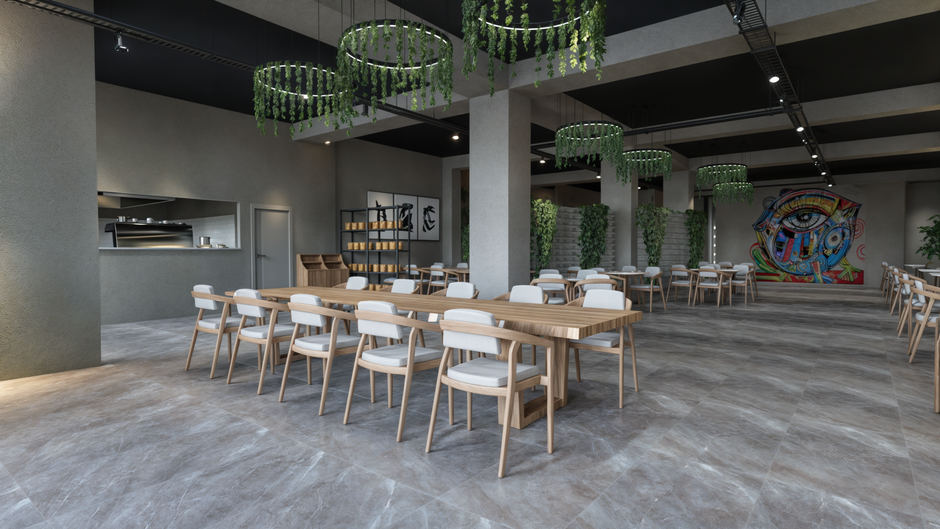
Interior design is an integral part of the hospitality industry. Studies have shown that customers often associate the quality of food with the aesthetics of the restaurant’s interior. A well-designed space enhances customer satisfaction and can lead to increased sales. According to a survey conducted by the Restaurant Association, over 70% of diners consider the interior design of a restaurant when deciding where to eat.
Moreover, the right design can create a unique identity for the restaurant. It allows owners to express their brand’s story and values through decor, lighting, and furniture choices. For instance, a farm-to-table restaurant may choose rustic elements to reflect its commitment to sustainability, while a fine dining establishment might opt for sleek and modern designs to convey elegance.
In the digital age, where social media plays a significant role in marketing, a visually appealing interior can also encourage customers to share their dining experiences online, further enhancing the restaurant’s visibility and attracting new patrons.
Key Elements of Effective Restaurant Interior Design
When it comes to restaurant interior design, several key elements must be considered to create an inviting atmosphere. These include layout, color schemes, lighting, and furnishings.
The layout of the restaurant is crucial; it should facilitate smooth traffic flow and offer comfortable seating arrangements. Open layouts can create a sense of spaciousness, while intimate settings can enhance the dining experience for couples or small groups.
Color schemes also play a significant role in setting the mood. Warm colors like reds and oranges can stimulate appetite, while blues and greens may create a calming effect. The choice of colors should align with the restaurant’s theme and target demographic.
The Role of Lighting in Creating Ambiance
Lighting is perhaps one of the most important aspects of restaurant interior design. It influences how food looks and can dramatically alter the atmosphere. Natural light is always preferred, but in the absence of it, strategic artificial lighting can do wonders.
For example, pendant lights over tables can create focal points and enhance intimacy, while softer ambient lighting can make the space feel welcoming. Moreover, the use of accent lighting can highlight artwork or architectural features, adding character to the restaurant.
According to a study by the American Society of Interior Designers, 85% of diners feel that lighting affects their overall dining experience. This statistic underscores the importance of carefully selecting and placing lighting fixtures to complement the design.
Incorporating Technology into Restaurant Design
In today’s tech-savvy world, integrating technology into restaurant design can enhance customer experience. Touchless menus, digital ordering systems, and smart lighting solutions are becoming increasingly popular.
Restaurants can also leverage social media by creating Instagram-worthy spots within their interiors. Unique art installations, creative signage, or themed decor can encourage patrons to take photos and share them online, effectively serving as free advertising.
Furthermore, technology can streamline operations; for example, using tablets for orders can reduce wait times and improve service efficiency. The integration of technology should, however, be balanced with the overall design aesthetic to ensure it doesn’t detract from the dining experience.
Case Studies: Successful Restaurant Designs
Several restaurants have mastered the art of interior design, creating spaces that are both functional and aesthetically pleasing. For instance, the acclaimed restaurant Noma in Copenhagen is renowned for its minimalist design that complements its focus on local ingredients. The use of natural materials and an open kitchen design fosters a connection between diners and the food.
Another example is the Hard Rock Café, which combines music memorabilia with casual dining. The eclectic design appeals to a wide audience, making it a popular destination for tourists and locals alike.
These case studies illustrate how thoughtful interior design can enhance a restaurant’s identity and customer experience, ultimately contributing to its success.
Conclusion: The Future of Restaurant Interior Design
As the restaurant industry continues to evolve, so too will the trends in interior design. The focus will likely shift toward creating sustainable and adaptable spaces that cater to changing customer preferences. Restaurant owners should stay informed about emerging design trends and technologies to remain competitive.
In conclusion, effective restaurant interior design is a blend of creativity, functionality, and branding. It has the power to transform a simple meal into an unforgettable experience. For those looking to delve deeper into the intricacies of restaurant interior design, understanding the key elements and staying ahead of trends will be essential for success in this dynamic industry.