
In recent years, the importance of children’s furniture has gained significant traction among parents and caregivers. Not only are these pieces designed to be functional and safe, but they also play an essential role in a child’s development and creativity. A well-curated kids furniture store can transform a child’s space, encouraging organization, play, and learning.
Understanding the Needs of Children
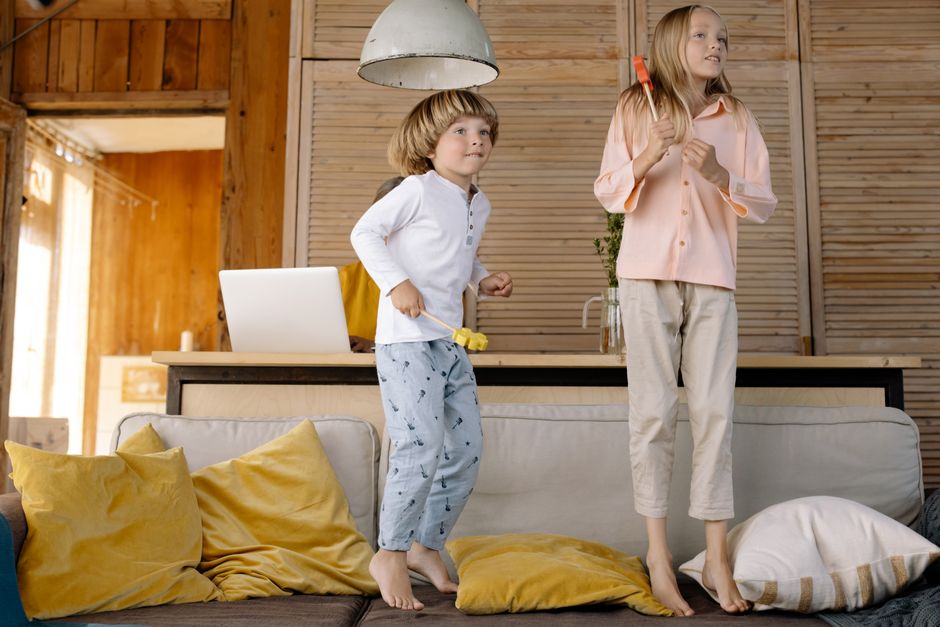
The first step in designing a children’s furniture collection is understanding the unique needs of children. Unlike adults, children are constantly growing and developing, which means their furniture must adapt to their changing requirements. This adaptability often involves using materials that are durable yet lightweight, allowing for rearrangement as necessary.
Children also have specific safety needs. Furniture should be free of sharp edges and made from non-toxic materials. Additionally, sturdy construction is vital to ensure that pieces can withstand rough play. Therefore, when selecting items for a kids furniture store, it is crucial to prioritize safety and durability alongside aesthetics.
Moreover, furniture should be designed to facilitate various activities. For example, multi-functional pieces, such as beds with built-in storage or desks that can be adjusted in height, are ideal for maximizing space and utility. These considerations are essential for creating a comfortable and enjoyable environment for children.
Design Trends in Kids Furniture
In recent years, several design trends have emerged in the realm of children’s furniture. One popular trend is the incorporation of playful colors and patterns. Bright hues can stimulate a child’s imagination and create an inviting atmosphere. For instance, pastel shades are often favored for nurseries, while bold primary colors are perfect for playrooms.
Another significant trend is the use of sustainable materials. As awareness of environmental issues grows, many parents are looking for eco-friendly furniture options that do not compromise on style. Reclaimed wood, organic fabrics, and non-toxic finishes are increasingly sought after in the market.
Additionally, modular furniture designs are gaining popularity as they allow for customization and adaptability. Parents appreciate the ability to rearrange or expand furniture setups as their children grow, making these pieces a wise investment.
Creating a Functional Layout
When setting up a children’s room, the layout is just as important as the furniture itself. A well-organized space can encourage children to engage in various activities, from studying to playing. It is essential to define different areas within the room, such as a sleeping zone, a play area, and a study nook.
To maximize space, consider using vertical storage solutions, such as wall-mounted shelves or tall bookcases. These options keep the floor clear while providing ample storage for toys, books, and other items. Additionally, incorporating a comfortable seating area can create a cozy spot for reading or relaxing.
In a kids furniture store, showcasing different layouts can provide inspiration to parents seeking to optimize their children’s spaces. Providing tips and tricks for organizing and arranging furniture can further enhance the shopping experience.
Importance of Personalization
Personalization is a growing trend in children’s furniture, allowing for unique expressions of a child’s personality. Parents are increasingly looking for ways to customize furniture, whether through color choices, patterns, or even personalized engravings. This trend not only creates a sense of ownership for the child but also makes the space feel more special and inviting.
Offering customizable options in a kids furniture store can set a business apart from competitors. For example, allowing customers to choose the fabric for a chair or the color of a bed frame can lead to increased satisfaction and loyalty. Furthermore, personalized pieces can often become cherished keepsakes as children grow.
Incorporating personalization into product offerings also showcases an understanding of current market trends, appealing to modern parents who value uniqueness and individual expression in their children’s environments.
Conclusion: The Future of Kids Furniture
The future of children’s furniture is bright, with an increasing emphasis on safety, sustainability, and personalization. As parents look for ways to create nurturing environments for their children, the demand for innovative, stylish, and functional pieces will continue to rise. By leveraging current trends and understanding the specific needs of children, a kids furniture store can not only meet but exceed customer expectations. In doing so, they can play a vital role in shaping the spaces where children learn, play, and grow.