
The luxury goods market has witnessed a remarkable transformation in recent years, with the rise of luxury brand resellers becoming a dominant force in the industry. As consumers increasingly seek exclusive and high-quality products, the demand for pre-owned luxury items has surged. This article delves into the fascinating world of luxury brand reselling, examining its growth, benefits, and the impact it has on both consumers and the luxury market at large.
Understanding Luxury Brand Reselling
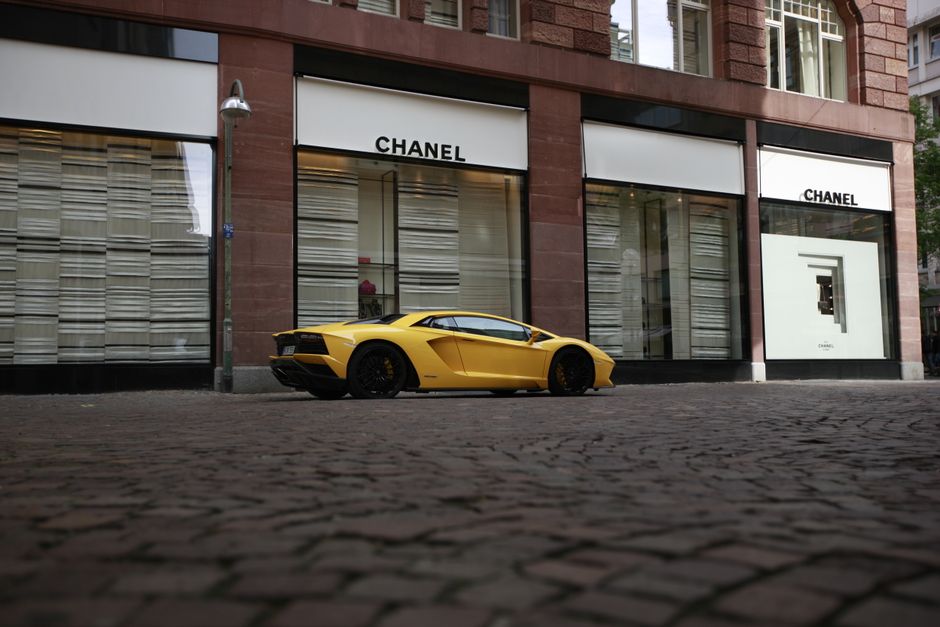
Luxury brand reselling refers to the practice of purchasing high-end goods—such as designer clothing, handbags, watches, and accessories—and then reselling them, often at a premium or at a reduced price depending on the item’s condition and rarity. This market caters to a wide demographic, from fashion enthusiasts looking for limited-edition pieces to budget-conscious shoppers wanting to experience luxury without breaking the bank.
The luxury resale market has grown exponentially, with estimates suggesting it could reach $64 billion by 2024, according to various industry reports. This growth is fueled by several factors, including the increasing popularity of sustainable fashion, where consumers are more inclined to buy pre-owned items rather than new ones.
Consumers are also becoming more aware of the value of luxury goods. Many people recognize that designer items, especially those from renowned brands, can retain their value over time, making them a smart investment. This trend has led to a rise in platforms and boutiques specializing in the resale of luxury items, further legitimizing the market.
The Benefits of Buying Pre-Owned Luxury Items
One of the primary advantages of purchasing pre-owned luxury items is the cost savings. Resellers often offer significant discounts compared to retail prices, making high-end brands more accessible to a broader audience. For example, a $2,000 designer handbag might be available for $1,200 in the resale market, providing substantial savings for the buyer.
In addition to cost savings, buying pre-owned luxury goods is a step towards sustainable fashion. By choosing pre-owned items, consumers help reduce waste and the environmental impact associated with producing new goods. This aligns with a growing consumer preference for environmentally friendly shopping practices.
Another key benefit is the unique selection of items available in the resale market. Many luxury brand resellers offer rare and vintage pieces that are no longer available in retail stores. This allows consumers to find unique items that reflect their personal style, setting them apart from the mainstream fashion crowd.
The Role of Technology in Luxury Reselling
Technology has revolutionized the luxury resale market, making it easier than ever for consumers to buy and sell pre-owned luxury items. Online platforms and mobile apps have emerged, providing users with easy access to a vast array of products. These platforms often include features such as authentication services, ensuring that buyers receive genuine luxury items.
Furthermore, social media has played a significant role in promoting luxury resale. Influencers and fashion bloggers frequently showcase their pre-owned luxury finds, encouraging their followers to consider resale as a viable option. This has helped to normalize the idea of buying second-hand luxury goods and has contributed to the overall growth of the market.
Additionally, advancements in artificial intelligence and machine learning have allowed resellers to better understand consumer preferences and trends. This data-driven approach helps resellers optimize their inventory and pricing strategies, ultimately enhancing the shopping experience for consumers.
Challenges in the Luxury Resale Market
Despite the numerous benefits, the luxury resale market is not without its challenges. One major issue is the prevalence of counterfeit goods. As the demand for luxury items increases, so does the risk of encountering fake products. Resellers must invest in robust authentication processes to ensure that the items they sell are genuine.
Another challenge is pricing. Determining the right price for pre-owned luxury items can be difficult, as it depends on various factors, including condition, rarity, and market demand. Resellers must continuously monitor market trends and adjust their pricing strategies accordingly to remain competitive.
Lastly, the luxury resale market can be saturated, with many platforms and boutiques vying for the same customer base. Resellers must find ways to differentiate themselves, whether through exceptional customer service, unique product offerings, or effective marketing strategies.
Conclusion: The Future of Luxury Brand Reselling
The luxury brand reselling market is poised for continued growth as consumers become more aware of the benefits of pre-owned luxury goods. With the rise of sustainable fashion and advancements in technology, the landscape of luxury reselling is evolving rapidly. As a result, both buyers and sellers stand to benefit from this dynamic market.
For those interested in entering the luxury resale space, understanding the nuances of the market, investing in proper authentication measures, and embracing technology will be crucial for success. Whether you’re a consumer looking for a great deal on a luxury item or a reseller aiming to carve out a niche in this competitive market, the future of luxury brand reselling holds immense potential.
For more information on luxury brand reselling, check out this luxury brand reseller resource.