
In recent years, the fashion industry has witnessed a remarkable transformation, driven largely by the demand for personalized and unique clothing. Custom clothing manufacturers have emerged as key players in this evolving landscape, catering to consumers’ desires for individuality and self-expression. This article explores the significance of custom clothing manufacturers, the factors contributing to their rise, and the benefits they offer to both consumers and businesses.
Understanding Custom Clothing Manufacturing
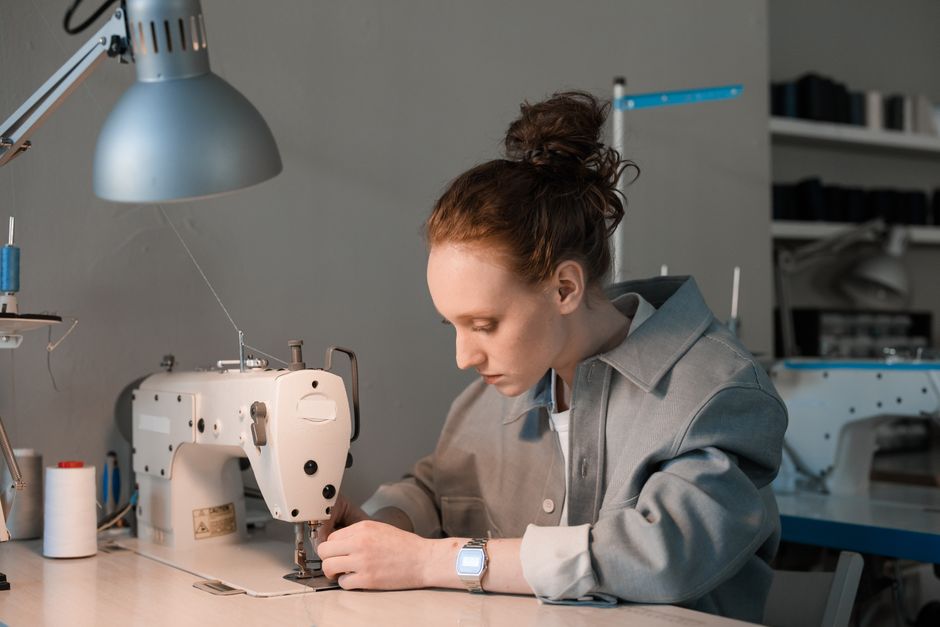
Custom clothing manufacturing refers to the process of creating garments tailored to the specific needs and preferences of individuals or brands. Unlike mass-produced clothing, which often lacks uniqueness, custom clothing allows for personalized designs, fabrics, and fits. This approach not only enhances customer satisfaction but also fosters brand loyalty, as consumers are more likely to return to a manufacturer that understands their style and preferences.
The custom clothing manufacturing process typically involves several stages, including design, material selection, production, and delivery. Each stage is crucial in ensuring that the final product meets the customer’s expectations. For instance, in the design phase, customers can collaborate with designers to create their own patterns or modify existing ones, ensuring a truly unique piece.
Moreover, advancements in technology, such as 3D printing and computer-aided design (CAD), have revolutionized the custom clothing manufacturing space. These technologies allow for rapid prototyping and reduce the time taken to bring a design from concept to reality.
Market Trends Driving the Custom Clothing Boom
Several key trends are driving the growth of custom clothing manufacturers. One of the most significant factors is the increasing consumer demand for sustainable and ethical fashion. Many consumers are now more conscious of the environmental impact of fast fashion and are seeking alternatives that promote sustainability.
Custom clothing manufacturers often prioritize sustainable practices by using eco-friendly materials and reducing waste through made-to-order production. This not only appeals to environmentally conscious consumers but also positions these manufacturers as leaders in the sustainable fashion movement.
Furthermore, the rise of e-commerce has made it easier for consumers to access custom clothing manufacturers from around the globe. Online platforms allow individuals to explore various options, compare prices, and even read reviews before making a purchase. This accessibility has contributed to the increasing popularity of custom clothing.
Benefits of Working with Custom Clothing Manufacturers
Choosing to work with a custom clothing manufacturer offers numerous advantages for both consumers and businesses. For consumers, the primary benefit is the ability to create clothing that truly reflects their personal style and body shape. This level of customization ensures a better fit and higher satisfaction with the final product.
Additionally, custom clothing manufacturers often provide a wider range of fabric options and design choices, allowing consumers to experiment with different styles and materials. This creative freedom is particularly appealing to fashion enthusiasts looking to express their individuality.
For businesses, partnering with a custom clothing manufacturer can lead to increased customer loyalty and higher profit margins. By offering unique, tailor-made products, businesses can differentiate themselves in a crowded market and attract a loyal customer base. Moreover, custom clothing can command higher prices, providing businesses with the opportunity to enhance their revenue.
Challenges Faced by Custom Clothing Manufacturers
Despite the many advantages, custom clothing manufacturers face several challenges in the industry. One significant hurdle is the need for efficient production processes. Custom orders can be time-consuming, and manufacturers must strike a balance between quality and speed.
Additionally, managing customer expectations can be challenging. Clear communication is essential to ensure that consumers understand the customization process, timelines, and potential limitations. Misunderstandings can lead to dissatisfaction, so manufacturers must prioritize customer service.
Another challenge is competition. As the demand for custom clothing grows, more manufacturers are entering the market, increasing competition. To stand out, manufacturers must continually innovate and improve their offerings to meet evolving consumer preferences.
The Future of Custom Clothing Manufacturing
Looking ahead, the future of custom clothing manufacturing appears promising. As technology continues to advance, manufacturers will likely adopt even more innovative methods to enhance the customization process. For example, artificial intelligence could play a role in predicting consumer preferences and streamlining the design process.
Moreover, the growing awareness of sustainability will likely encourage more consumers to turn to custom clothing manufacturers that prioritize eco-friendly practices. The combination of personalization and sustainability presents a unique opportunity for manufacturers to thrive in the coming years.
In conclusion, custom clothing manufacturers are reshaping the fashion landscape by providing unique, personalized solutions for consumers. As the demand for individuality and sustainability continues to rise, these manufacturers will play a crucial role in the future of fashion. If you’re considering a new wardrobe or looking to elevate your brand, partnering with a custom clothing manufacturer can be a game-changer.