
In today’s digital world, securing sensitive information is more critical than ever. With the rise of cyber threats and the increasing sophistication of attackers, organizations must implement comprehensive security measures to protect their assets. One of the most effective ways to achieve this is through access control systems. These systems not only safeguard physical locations but also protect digital information, ensuring that only authorized individuals can gain access.
Understanding Access Control Systems
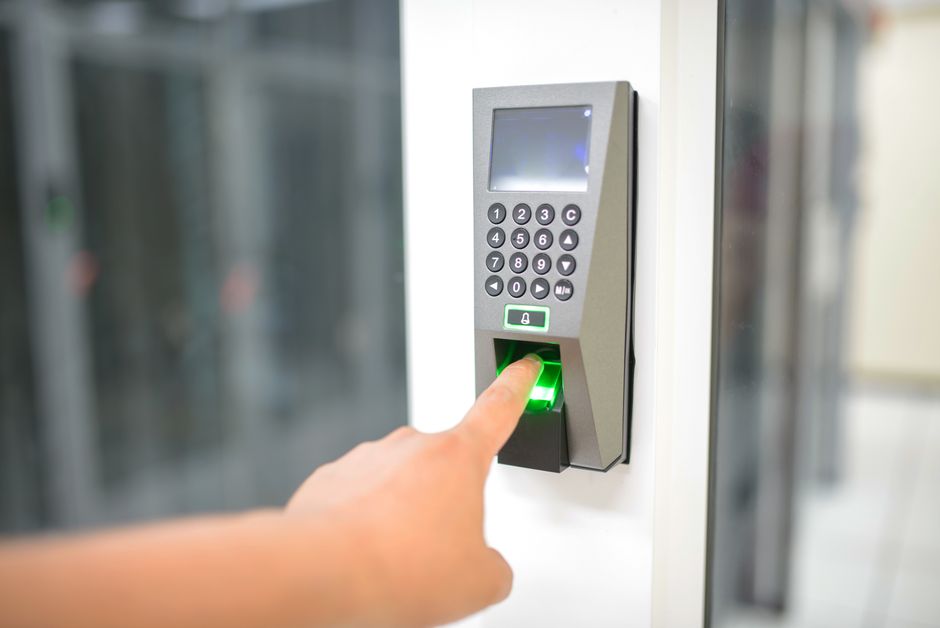
Access control systems are security measures that regulate who can view or use resources in a computing environment. These systems have become a cornerstone of organizational security, allowing for the management of permissions and access rights. By defining clear access controls, organizations can significantly reduce the risk of unauthorized access and data breaches.
Essentially, there are three main types of access control models: discretionary access control (DAC), mandatory access control (MAC), and role-based access control (RBAC). Each model is designed to meet different security needs and compliance requirements. For instance, RBAC is particularly popular in organizations where users need to be assigned roles that dictate their level of access, streamlining the administration of permissions.
Benefits of Implementing Access Control Systems
The implementation of access control systems comes with numerous benefits. Firstly, they enhance security by ensuring that only authorized personnel can access sensitive areas or information. This is particularly vital in industries such as healthcare, finance, and government, where data privacy is paramount.
Moreover, access control systems can help organizations comply with regulations such as GDPR or HIPAA. By maintaining strict access restrictions, organizations can demonstrate their commitment to data protection and avoid hefty fines associated with non-compliance.
Additionally, these systems can aid in tracking user activity. By logging access attempts, organizations can monitor for suspicious behavior and respond quickly to potential threats. This level of oversight is essential in today’s security landscape, where proactive measures are necessary to thwart cyberattacks.
Choosing the Right Access Control System
When selecting an access control system, organizations should consider several factors, including scalability, ease of use, and integration capabilities. A scalable system can grow with the organization, accommodating new users and locations without significant additional costs.
Furthermore, the user interface should be intuitive, allowing administrators to manage permissions efficiently. A complicated system can lead to errors and potential security gaps. Integration with existing security measures, such as surveillance cameras and alarms, is also crucial for creating a comprehensive security infrastructure.
Budget constraints often play a significant role in decision-making. However, investing in a robust access control system is a long-term strategy that can save organizations from financial losses associated with data breaches or compliance violations.
Future Trends in Access Control Systems
The landscape of access control systems is constantly evolving. With advancements in technology, we expect to see more organizations adopting biometric authentication methods, such as fingerprint or facial recognition. These methods offer a higher level of security, as they utilize unique physical characteristics of individuals.
Another trend is the increasing use of cloud-based access control solutions. These systems allow for remote management and monitoring, providing flexibility and ease of use for organizations with multiple locations.
Additionally, the integration of artificial intelligence (AI) in access control systems is on the rise. AI can help identify patterns in user behavior, allowing for more adaptive security measures that can respond to potential threats in real time. This fusion of technology and security is paving the way for more sophisticated systems that can protect organizations against evolving risks.
Conclusion
In conclusion, access control systems are essential for any organization looking to protect its sensitive information and maintain compliance with regulations. By understanding the different types of access control models, recognizing the benefits they offer, and staying ahead of emerging trends, organizations can create a secure environment that minimizes risks and safeguards their assets. As cyber threats continue to evolve, investing in a robust access control system will be a crucial step towards ensuring long-term security and success.