
In recent years, 3D printing has revolutionized the manufacturing landscape, offering unprecedented opportunities for innovation and customization. From prototyping to end-use production, 3D printing services have become a crucial component in various industries, ranging from healthcare to aerospace. This article delves into the myriad benefits of 3D printing services, how they work, and their applications across different sectors.
Understanding 3D Printing Technology
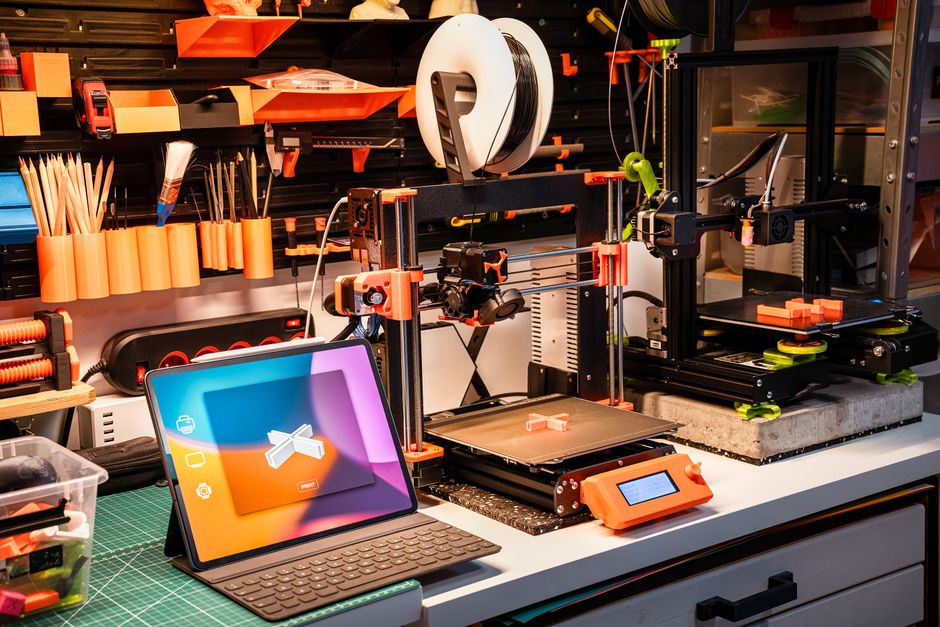
3D printing, also known as additive manufacturing, involves creating three-dimensional objects from a digital file. The process begins with a 3D model, which is sliced into layers by specialized software. The printer then deposits material, layer by layer, to build the final product. This technology can utilize a variety of materials, including plastics, metals, and even biological substances.
The benefits of 3D printing technology include reduced waste, faster production times, and the ability to create complex geometries that traditional manufacturing methods cannot achieve. Moreover, the flexibility offered by 3D printing enables rapid prototyping, allowing designers and engineers to iterate on their designs quickly.
Applications of 3D Printing Services
3D printing services are utilized across numerous industries. In healthcare, for instance, custom prosthetics and dental implants can be produced to fit the unique anatomy of each patient. This not only enhances the comfort and functionality of medical devices but also significantly reduces production costs and time.
In the automotive industry, 3D printing is used for producing lightweight components and prototyping new designs. Companies can quickly test and modify parts before going into mass production, allowing for more efficient design processes. Additionally, the aerospace sector leverages 3D printing to manufacture complex parts with reduced weight, which can lead to fuel savings and improved performance.
Cost-Effectiveness of 3D Printing Services
One of the most significant advantages of 3D printing services is their cost-effectiveness, especially for small to medium-sized businesses. Traditional manufacturing often requires expensive molds and tooling, which can be prohibitively costly for small production runs. In contrast, 3D printing eliminates these upfront costs by allowing products to be made directly from digital files.
According to a study by the Wohlers Report, 3D printing could reduce production costs by as much as 70% for certain applications. Furthermore, the ability to produce on-demand means that companies can minimize inventory costs, as products are created as needed rather than being mass-produced and stored.
Challenges and Limitations
Despite its many advantages, 3D printing services are not without challenges. One major limitation is the speed of production. While 3D printing can be faster than traditional manufacturing for prototyping, it may not be the most efficient method for large-scale production. This is particularly true for processes that require high volumes of identical parts.
Additionally, the quality of 3D printed products can vary based on the materials used and the printer’s technology. Companies must ensure that they are using high-quality materials and advanced printers to achieve the desired specifications and mechanical properties.
The Future of 3D Printing Services
The future of 3D printing services looks promising as advancements in technology continue to emerge. Innovations such as bioprinting, which involves printing living tissues, and the development of new materials will expand the boundaries of what is possible with 3D printing. Moreover, industries are increasingly recognizing the potential of 3D printing to streamline their processes and foster innovation.
As companies look to adopt more sustainable practices, 3D printing offers an eco-friendly alternative by reducing waste and enabling the use of recycled materials. This aligns with the growing consumer demand for sustainable products and practices, making 3D printing services a key player in the future of manufacturing.
For businesses seeking to explore the benefits of 3D printing, partnering with a reliable 3D printing service can provide the expertise and resources needed to leverage this transformative technology effectively.
Conclusion
3D printing services have fundamentally changed the manufacturing landscape, providing unparalleled opportunities for customization, efficiency, and cost savings. As technology continues to evolve, the potential applications of 3D printing will only expand, allowing businesses to innovate and meet the demands of an ever-changing market. Embracing 3D printing not only enhances operational efficiencies but also positions companies at the forefront of technological advancement.