
The world of metal fabrication is a complex and essential part of various industries, from construction to automotive manufacturing. Metal fabrication shops play a pivotal role in transforming raw materials into finished products that meet specific demands and standards. This article delves into the intricacies of metal fabrication shops, exploring their processes, technologies, and the importance of quality in this industry.
Understanding Metal Fabrication
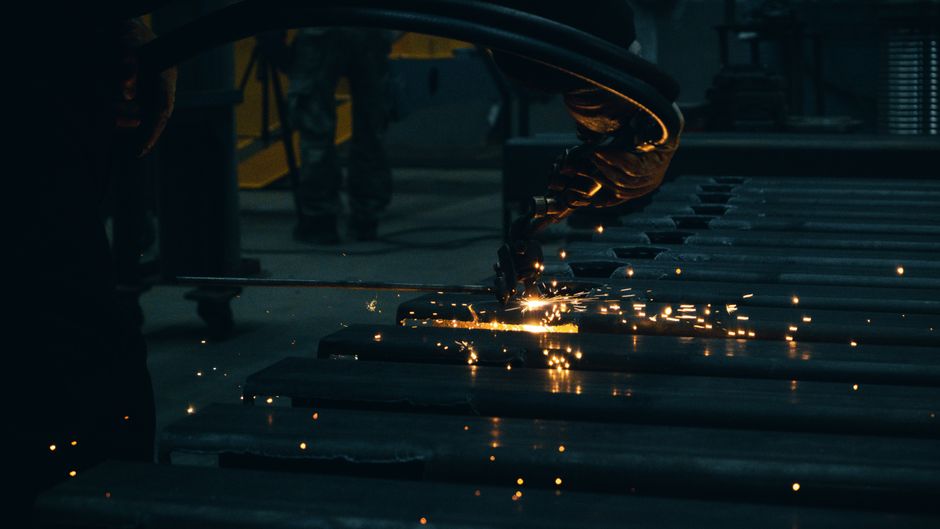
Metal fabrication is the process of creating metal structures by cutting, bending, and assembling metal materials. This process can involve various techniques, including welding, machining, and forming. Fabrication shops utilize both manual and automated methods to produce components that are integral to machinery, vehicles, and buildings.
One of the key aspects of metal fabrication is the ability to customize products to meet specific client requirements. This is particularly important in industries where precision and durability are paramount. For instance, a metal fabrication shop may be tasked with producing a series of components for a new construction project, requiring exact specifications and high-quality materials.
The Role of Technology in Metal Fabrication
Technology has significantly transformed the landscape of metal fabrication. Advanced machinery, such as CNC (Computer Numerical Control) machines, allows for high precision and efficiency in manufacturing. These machines are programmed to perform tasks with minimal human intervention, which not only speeds up the production process but also reduces the likelihood of errors.
Additionally, software tools for design and simulation have become indispensable in the fabrication process. They enable engineers to create detailed models of the components before they are fabricated, ensuring that any potential issues are addressed early on. This technological integration is vital for maintaining competitive advantage in the metal fabrication industry.
Quality Control in Metal Fabrication
Quality control is paramount in metal fabrication, as the integrity and safety of the final products depend on the quality of the processes and materials used. Many fabrication shops implement rigorous quality assurance processes, including regular inspections and testing of materials.
Standards such as ISO 9001 provide frameworks for quality management systems within fabrication shops. Adhering to these standards helps ensure that products not only meet customer specifications but also comply with industry regulations. A commitment to quality can significantly enhance a shop’s reputation and customer trust.
Environmental Considerations in Metal Fabrication
As industries increasingly prioritize sustainability, metal fabrication shops are also adapting to environmental considerations. Many shops are implementing eco-friendly practices, such as recycling scrap metal and utilizing energy-efficient machinery.
Furthermore, regulatory compliance regarding emissions and waste management is becoming stricter. Shops that proactively address these concerns often benefit from lower operational costs and improved public perception. By embracing sustainability, metal fabrication shops can contribute to a greener future while enhancing their operational efficiency.
The Future of Metal Fabrication Shops
The future of metal fabrication shops is promising, with continued advancements in technology and a growing demand for customized solutions. Trends such as additive manufacturing, commonly known as 3D printing, are beginning to influence traditional fabrication processes.
Moreover, the rise of automation and robotics is expected to redefine labor roles within fabrication shops. As these technologies mature, they will likely allow shops to increase production capabilities while reducing labor costs. The ability to adapt to these changes will be crucial for shops looking to thrive in this evolving landscape.
Conclusion
Metal fabrication shops are at the heart of many manufacturing processes, providing essential services that drive various industries. Understanding the intricacies of these shops, from the technologies they employ to the importance of quality control and sustainability, offers invaluable insights into their operations. As the industry continues to evolve, embracing innovation and maintaining a focus on quality will be key to success in the competitive world of metal fabrication.