
When it comes to construction projects, demolition is often a necessary first step. Whether you’re renovating an old building, clearing land for new construction, or simply removing an unwanted structure, hiring a qualified demolition contractor is crucial. This article will explore the important factors to consider when selecting a demolition contractor, the various types of demolition methods, and how to ensure a safe and efficient demolition process.
Understanding Demolition Methods
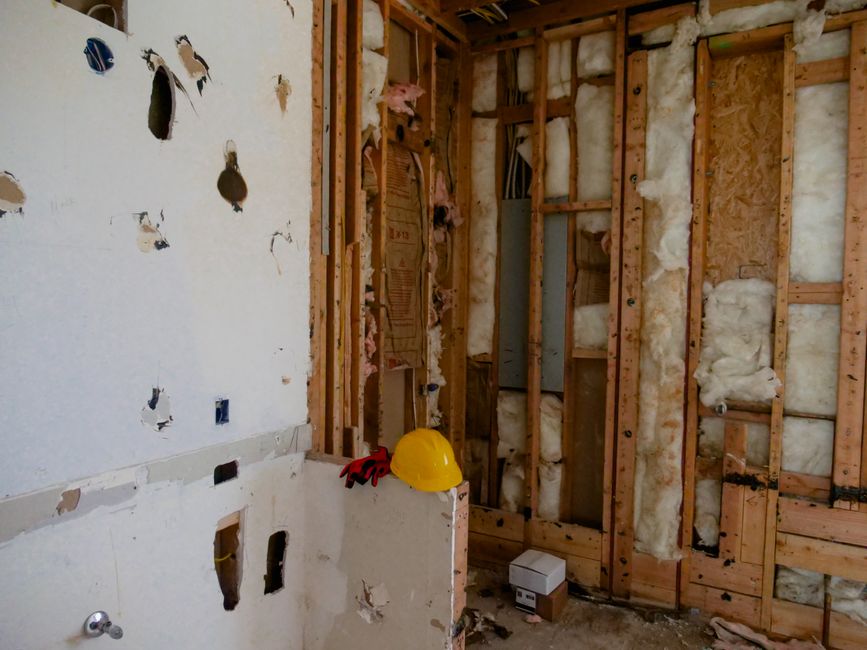
Demolition contractors use a variety of methods to dismantle buildings, each suited to specific situations. The two primary categories are mechanical and manual demolition. Mechanical demolition involves heavy machinery, such as excavators, bulldozers, and wrecking balls, making it suitable for larger structures. In contrast, manual demolition relies on hand tools and is typically used for smaller buildings or in areas where precision is critical.
For example, when demolishing a historic building, a contractor may opt for manual methods to preserve nearby structures. On the other hand, industrial sites often require mechanical methods due to the scale and volume of debris. Understanding these methods can help you communicate effectively with your contractor and make informed decisions regarding your project.
Key Qualifications of a Demolition Contractor
Choosing the right demolition contractor involves assessing their qualifications. Look for contractors who are licensed and insured, as this protects you from liability in case of accidents. Additionally, ask about their experience with similar projects. A contractor who has successfully completed similar demolitions is more likely to understand the nuances and potential challenges of your specific project.
Furthermore, don’t hesitate to request references or reviews from previous clients. A reputable contractor will gladly provide this information. It’s also wise to check their safety record; a contractor committed to safety will prioritize training and follow regulations to protect workers and the environment.
Cost Factors and Estimates
The cost of hiring a demolition contractor can vary widely based on several factors, including the size of the structure, the method of demolition, and the location. Generally, contractors will provide a detailed estimate after assessing the site, which includes labor, equipment, permits, and disposal fees.
For example, a small residential demolition might cost a few thousand dollars, while a large commercial project could run into the hundreds of thousands. It’s essential to get multiple estimates and understand what is included in the price. This will help you avoid unexpected costs down the line and ensure you’re getting a fair deal.
Safety and Environmental Considerations
Safety is paramount in demolition projects. Experienced demolition contractors will have safety protocols in place to protect workers, bystanders, and the environment. Before commencing work, they should conduct a thorough site assessment to identify hazards such as asbestos, lead, and structural weaknesses.
Additionally, responsible contractors will prioritize environmentally friendly practices. This may include recycling materials when possible and ensuring that hazardous waste is disposed of correctly. By selecting a contractor who values safety and sustainability, you can contribute to a safer and greener demolition process.
Final Thoughts on Hiring a Demolition Contractor
In conclusion, hiring the right demolition contractor is crucial for the success of your project. Consider their experience, qualifications, and safety practices before making a decision. Engaging a qualified demolition contractor will not only ensure a smooth demolition process but also help you avoid common pitfalls that can arise during this complex phase of construction.
By understanding the various demolition methods, assessing contractors’ qualifications, and prioritizing safety, you can set the stage for a successful construction project that meets your needs and expectations.