
In the ever-evolving world of mining, the role of equipment suppliers is pivotal. As industries strive for efficiency and productivity, understanding the nuances of mining equipment and selecting the right supplier can make a significant difference. This article delves into the critical aspects of mining equipment suppliers, exploring their importance, the types of equipment they offer, and tips for selecting the right partner for your mining operations.
The Importance of Mining Equipment Suppliers
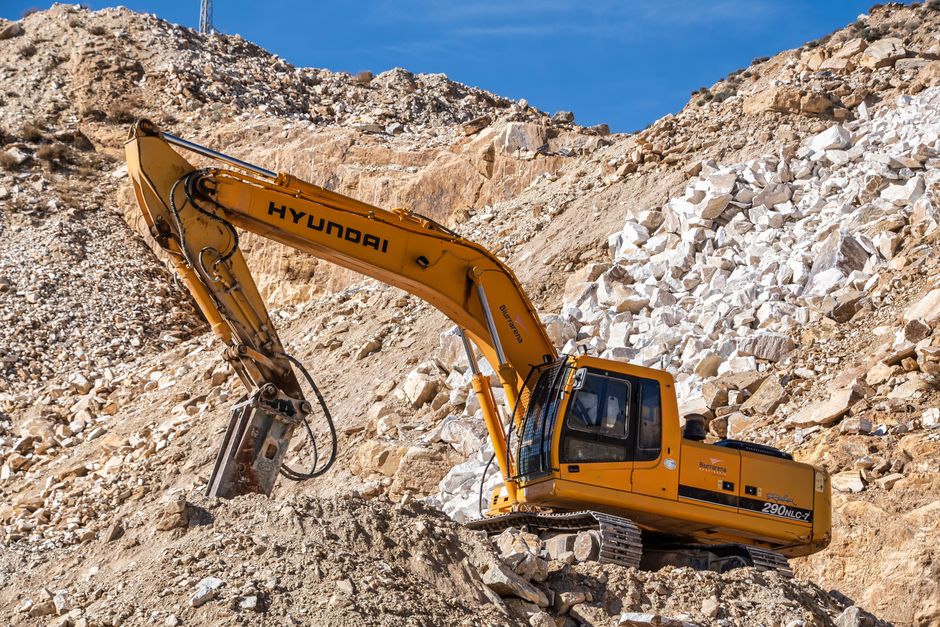
Mining equipment suppliers play a crucial role in the mining industry. They provide the necessary tools and machinery that enable mining operations to function smoothly and efficiently. The right equipment can lead to increased productivity, reduced operational costs, and improved safety standards. As the demand for minerals and resources continues to grow, the role of these suppliers becomes even more significant.
Furthermore, suppliers often offer maintenance and support services that are vital for the longevity of the equipment. Regular maintenance helps prevent unexpected breakdowns, which can be costly and time-consuming. Therefore, choosing a reliable supplier who can provide both quality equipment and excellent after-sales service is essential.
Types of Mining Equipment Available
Mining equipment suppliers offer a wide range of machinery tailored for different types of mining operations. Some of the most common types of equipment include:
1. Excavators: These are essential for digging and removing earth and rock. Excavators come in various sizes and are designed for different applications, from small-scale operations to large mines.
2. Loaders: Loaders are used for loading materials onto trucks or into other machinery. They are typically used in conjunction with excavators to transport mined materials efficiently.
3. Drills: Drilling equipment is critical for exploration and extraction processes. Suppliers offer a variety of drills, including rotary and percussive drills, depending on the specific requirements of the mining site.
4. Crushers and Screens: These are used to reduce the size of mined materials and separate them according to size and type. Efficient crushing and screening processes are vital for optimizing production.
5. Conveyors: Conveyor systems are essential for transporting materials across mining sites. They help streamline operations and reduce manual handling.
Investing in the right type of equipment can significantly improve the efficiency of mining operations, making it essential to consult with a knowledgeable mining equipment supplier who can guide you through the options available.
Criteria for Selecting a Mining Equipment Supplier
Choosing the right supplier requires careful consideration of several factors:
1. Reputation: Research potential suppliers to find out their reputation in the industry. Look for reviews and testimonials from other mining companies to gauge their reliability and service quality.
2. Product Range: A good supplier should offer a comprehensive range of equipment that meets your specific needs. Ensure they have the latest technology and equipment to keep up with industry advancements.
3. Customer Support: Evaluate the level of customer support provided. A supplier that offers robust after-sales support, including maintenance and repair services, can save you time and money in the long run.
4. Pricing: While price shouldn’t be the sole factor in your decision, it is important to ensure that you are getting value for your investment. Compare pricing from multiple suppliers, keeping in mind the quality of the equipment and services offered.
Case Studies: Successful Partnerships with Equipment Suppliers
Several mining companies have successfully partnered with equipment suppliers to enhance their operations. For instance:
Company A, a large coal mining operation, faced challenges with outdated machinery that led to frequent breakdowns and increased operational costs. By partnering with a reputable mining equipment supplier, they upgraded their fleet to modern excavators and loaders. This investment resulted in a 30% increase in productivity and a significant reduction in maintenance costs.
Another example is Company B, which specializes in gold mining. They needed specialized drilling equipment for their exploration activities. After consulting with a knowledgeable supplier, they acquired state-of-the-art drills that improved their exploration efficiency by 40%, allowing them to identify new mining sites more effectively.
Future Trends in Mining Equipment Supply
The mining industry is continuously evolving, and so are the technologies and equipment involved. Emerging trends include:
1. Automation: The shift towards automation in mining operations is gaining momentum. Suppliers are increasingly offering automated machinery that can operate with minimal human intervention, improving safety and efficiency.
2. Sustainability: As environmental concerns grow, suppliers are developing eco-friendly equipment that minimizes carbon footprints and complies with stricter regulations. This trend is likely to shape future supplier offerings.
3. Digital Integration: The integration of digital technologies, such as IoT and AI, into mining equipment is set to revolutionize operations. Suppliers that embrace these technologies will provide more intelligent and efficient solutions to their clients.
Conclusion
In conclusion, mining equipment suppliers are integral to the success of mining operations. By understanding the types of equipment available, criteria for selecting suppliers, and emerging trends in the industry, mining companies can make informed choices that enhance productivity and sustainability. The right partnership with a reliable supplier can lead to significant improvements in operational efficiency, ultimately contributing to the overall success of mining ventures.